September 14, 2026
With the growing demand for intelligent security management, digital inspection systems, and real-time monitoring, On Duty Security RFID Patrol Anti-Metal NFC Tags have become an effective solution for modern guard tour management. These smart NFC checkpoints help security companies, factories, commercial buildings, and infrastructure operators replace traditional paper-based patrol records with automated digital tracking.
Designed for installation on metal surfaces, the anti-metal NFC tag solves one of the biggest challenges of traditional NFC technology: signal interference caused by metal objects. By integrating shielding materials with NFC chips, these tags provide stable communication performance on doors, machines, cabinets, vehicles, and other metallic assets.
For security system integrators, RFID manufacturers, property management companies, and industrial users, RFID patrol anti-metal NFC tags provide a reliable way to verify security inspections, improve employee accountability, and create accurate digital operation records.
This article explains what an On Duty Security RFID Patrol Anti-Metal NFC Tag is, how it works, its applications, the problems it solves, international standards, customization options, and competitive advantages compared with other patrol identification technologies.
What Is an On Duty Security RFID Patrol Anti-Metal NFC Tag?
An On Duty Security RFID Patrol Anti-Metal NFC Tag is a passive electronic identification device used as a fixed checkpoint in security patrol and inspection management systems.
Security managers install these NFC tags at specific locations such as:
- Building entrances
- Factory production areas
- Warehouse zones
- Parking areas
- Equipment rooms
- Fire safety points
- Utility facilities
During patrol operations, security personnel use an NFC smartphone or handheld reader to scan each checkpoint. The system automatically records the patrol time, location, and personnel information.
Unlike standard NFC stickers, anti-metal NFC tags are specially designed for applications where the tag must be attached to metal surfaces.
The main components include:
- NFC RFID chip
- Copper antenna
- Ferrite anti-metal shielding layer
- Protective housing
- Adhesive or mounting structure
Common chip options include:
- NTAG213
- NTAG215
- NTAG216
- MIFARE Ultralight
- MIFARE Classic
- ISO15693 RFID chips
Typical specifications:
| Specification | Details |
|---|---|
| Frequency | 13.56MHz |
| Communication Standard | ISO/IEC 14443A |
| NFC Type | NFC Forum Type 2 |
| Chip Options | NTAG213/215/216 |
| Reading Method | Smartphone or NFC Reader |
| Memory | 144–888 bytes depending on chip |
| Material | ABS, PVC, Epoxy, PCB |
| Installation | Adhesive, Screw, Embedded |
| Waterproof Rating | IP65/IP67/IP68 |
| Operating Temperature | -25°C to +85°C |
| Service Life | 10+ Years |
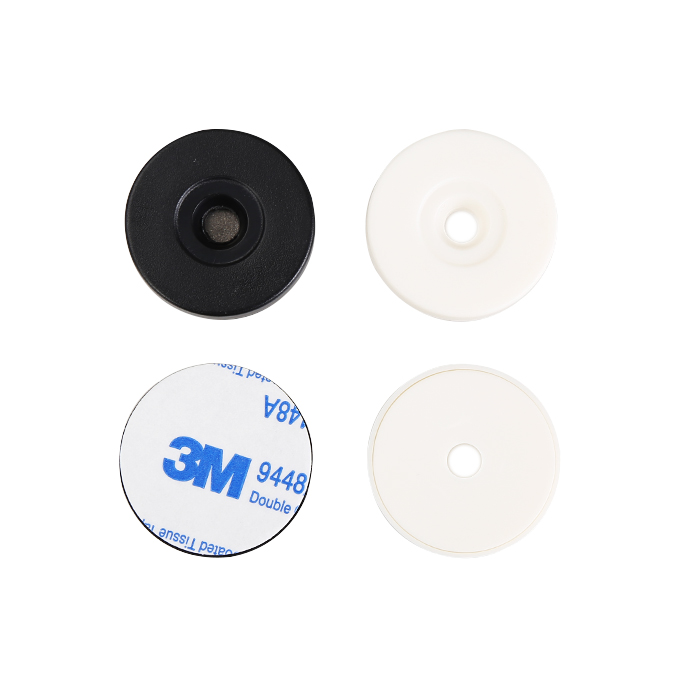
On-duty Security rfid patrol anti-metal nfc tag
Features:
1) .Durable and can work in harsh environments.
2). Waterproof.
3). Moisture-proof.
4).Anti shock.
5).High temperature resistance.
6).Anti metal optional.

| Product name | On duty Security rfid patrol anti-metal nfc tag |
| Product Description | Standard ABS waterproof tags Can customize with pptional features: *complete water/ oil proof *anti-metal layer * 3 m back adhesive |
| Material | ABS |
| Installation | Adhesive paste with strong 3 M glue, or screw Can be used on warehouse managerment, property tracking, can be installed on pallet, the cartons, machine etc. |
| Size | Round shape, normal diameter in 25/30/34/40/52mm Customize size available |
| Chip | LF: TK4100, EM4100, EM4200, EM4305, T5577 HF: FM11RF08, 1K S50, S70, Ult, sli, N213/215/216, etc UHF: UC G2XL , H3, M4 ,M5, etc |
| Reading distance | 0-6m, according to reader and chip |
| Operating temperature | -25℃~60℃ |
| Customize | Size and logo |
| Application | Warehouse managerment, property tracking, can be installed on pallet, the cartons, machine etc. |

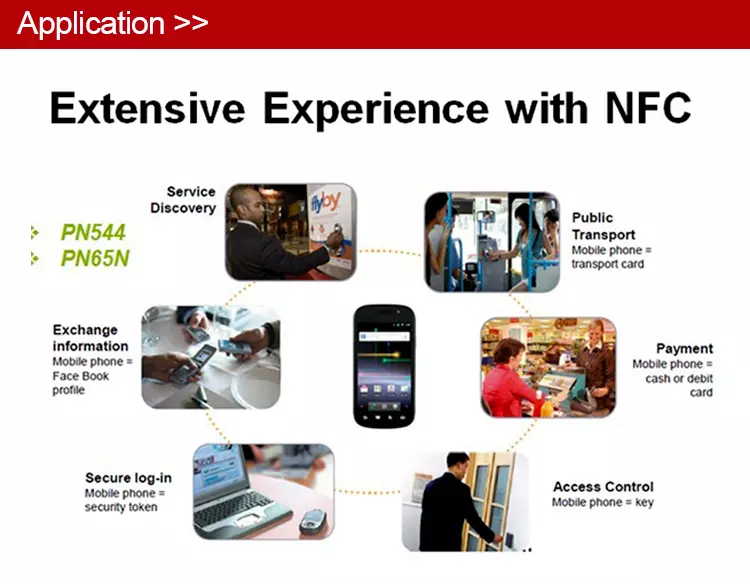
How Does RFID Patrol Anti-Metal NFC Tag Work?
The working principle is based on Near Field Communication (NFC) technology.
The process includes:
Step 1: NFC Reader Activation
A security guard uses an NFC-enabled smartphone or patrol device to scan the checkpoint.
The reader generates a 13.56MHz electromagnetic field.
Step 2: Energy Transfer
The NFC antenna inside the tag receives energy from the reader.
Because NFC tags are passive devices, they do not require batteries.
Step 3: Data Transmission
The NFC chip sends stored information back to the reader.
The information may include:
- Unique tag ID
- Patrol checkpoint number
- Location information
- Equipment details
- Inspection instructions
Step 4: Cloud Data Recording
The patrol software records:
- Security personnel identity
- Inspection time
- Patrol route
- Missed checkpoints
- Abnormal reports
Managers can monitor security activities through computer dashboards or mobile applications.
Why Is Anti-Metal Technology Important?
Traditional NFC tags work well on materials such as:
- Plastic
- Glass
- Paper
- Wood
However, metal surfaces create electromagnetic interference that can reduce NFC performance.
When installed directly on metal:
- Reading distance decreases
- Communication becomes unstable
- Data transmission may fail
Anti-metal NFC tags solve this problem by adding a ferrite shielding layer.
The shielding layer:
- Separates the antenna from metal
- Reduces electromagnetic interference
- Improves reading stability
- Extends application possibilities
This allows NFC patrol systems to be installed on industrial equipment, steel doors, electrical cabinets, and vehicles.
Main Applications
Security Guard Tour Management
The most common application is digital security patrol.
Security companies install NFC checkpoints in:
- Residential communities
- Office buildings
- Shopping malls
- Hospitals
- Schools
- Factories
Security guards scan each point during patrol rounds.
The system automatically verifies whether:
- Patrol routes were completed
- Required checkpoints were visited
- Inspections occurred on time
This improves security management transparency.
Factory Safety Inspection
Manufacturing plants use anti-metal NFC tags for routine inspections.
Applications include:
- Machine inspection
- Safety checks
- Equipment maintenance
- Production line monitoring
Workers can access equipment information by scanning the tag.
Warehouse and Logistics Management
Warehouses use NFC patrol tags to monitor:
- Storage areas
- Loading zones
- Inventory locations
- Safety equipment
This improves operational efficiency and reduces missed inspections.
Building Facility Management
Property companies use NFC checkpoints for:
- Cleaning inspections
- Fire equipment checks
- Elevator inspections
- Electrical system monitoring
Energy and Infrastructure Inspection
Utility companies install NFC tags on:
- Power cabinets
- Communication towers
- Pipelines
- Outdoor equipment
Workers can record inspection results digitally in real time.
Problems Solved by Security RFID Patrol NFC Tags
Eliminating Fake Patrol Records
Traditional paper records can be easily completed incorrectly.
NFC patrol systems create automatic digital records with:
- Time stamps
- Location verification
- Personnel identification
Improving Security Accountability
Managers can clearly identify:
- Who completed the patrol
- When it happened
- Which locations were inspected
Reducing Administrative Work
Digital records replace manual paperwork and simplify reporting.
Supporting Metal Surface Installation
Anti-metal technology allows NFC deployment in industrial environments where ordinary NFC tags cannot work effectively.
Improving Emergency Response
Inspection data helps managers identify problems quickly and take corrective action.
International Standards and Compliance
Professional RFID patrol anti-metal NFC tags are manufactured according to international standards.
ISO/IEC 14443A
The communication standard used by many NFC chips, including NTAG series products.
NFC Forum Type 2 Tag
NTAG213 and similar chips comply with NFC Forum specifications for smartphone compatibility.
ISO/IEC 15693
Used for some high-frequency RFID applications requiring longer reading distances.
ISO 9001
Ensures controlled manufacturing processes and consistent product quality.
CE Compliance
Supports electronic product requirements in European markets.
RoHS Compliance
Ensures products meet restrictions on hazardous substances.
Quality testing normally includes:
- NFC reading performance testing
- Waterproof testing
- Impact resistance testing
- Temperature testing
- Adhesion testing
- Anti-metal performance testing
OEM Customization Options
Professional RFID manufacturers provide customized solutions.
Chip Selection
Customers can select:
- NTAG213
- NTAG215
- NTAG216
- MIFARE chips
- ISO15693 chips
Data Programming
Available services include:
- UID recording
- URL programming
- NDEF data writing
- Batch encoding
- Database matching
Housing Customization
Options include:
- Round coin shape
- Square design
- ABS shell
- Epoxy coating
- PCB structure
Printing and Branding
Manufacturers provide:
- Logo printing
- Laser marking
- Serial numbering
- QR code printing
Packaging
OEM packaging options include:
- Individual packaging
- Bulk packaging
- Custom labels
- Private branding
Competitive Analysis
Different patrol identification technologies have different advantages.
| Technology | Anti-Metal NFC Tag | QR Code | Barcode | RFID Patrol Tag |
| Works on Metal | Excellent | Poor | Poor | Excellent |
| Smartphone Support | Excellent | Excellent | Good | Limited |
| Waterproof | Excellent | Moderate | Low | Excellent |
| Digital Data Storage | Excellent | Limited | Limited | Excellent |
| Maintenance Cost | Very Low | Medium | Medium | Low |
Anti-Metal NFC Tag vs QR Code
QR codes are inexpensive and easy to deploy, but they require:
- Visual scanning
- Clean surfaces
- Good lighting conditions
NFC tags provide faster scanning and better durability in harsh environments.
Anti-Metal NFC Tag vs Standard NFC Sticker
Standard NFC stickers cannot work properly on metal surfaces.
Anti-metal NFC tags provide:
- Stable communication
- Better durability
- Wider installation options
Anti-Metal NFC Tag vs RFID Patrol System
Traditional RFID patrol systems often require dedicated readers.
NFC patrol solutions allow security teams to use smartphones, reducing equipment costs and simplifying deployment.
Why Choose a Professional RFID Manufacturer?
Working with an experienced RFID supplier provides:
- Factory-direct pricing
- Stable chip supply
- OEM customization
- Professional encoding services
- Quality inspection
- Fast production
- Technical support
- Global export experience
Professional manufacturers can provide complete solutions including NFC tags, readers, software integration, and customized security patrol systems.
Conclusion
On Duty Security RFID Patrol Anti-Metal NFC Tags provide a smart, reliable, and cost-effective solution for modern security management and industrial inspection systems. With NFC technology, anti-metal shielding design, waterproof construction, and international standard compliance, these tags enable accurate digital patrol tracking in challenging environments.
Compared with paper records, QR codes, and traditional identification methods, anti-metal NFC patrol tags offer better durability, higher data accuracy, easier management, and stronger traceability.
For security companies, property managers, factories, and RFID distributors, choosing a professional OEM manufacturer ensures reliable products, flexible customization, and scalable solutions for intelligent security operations.