
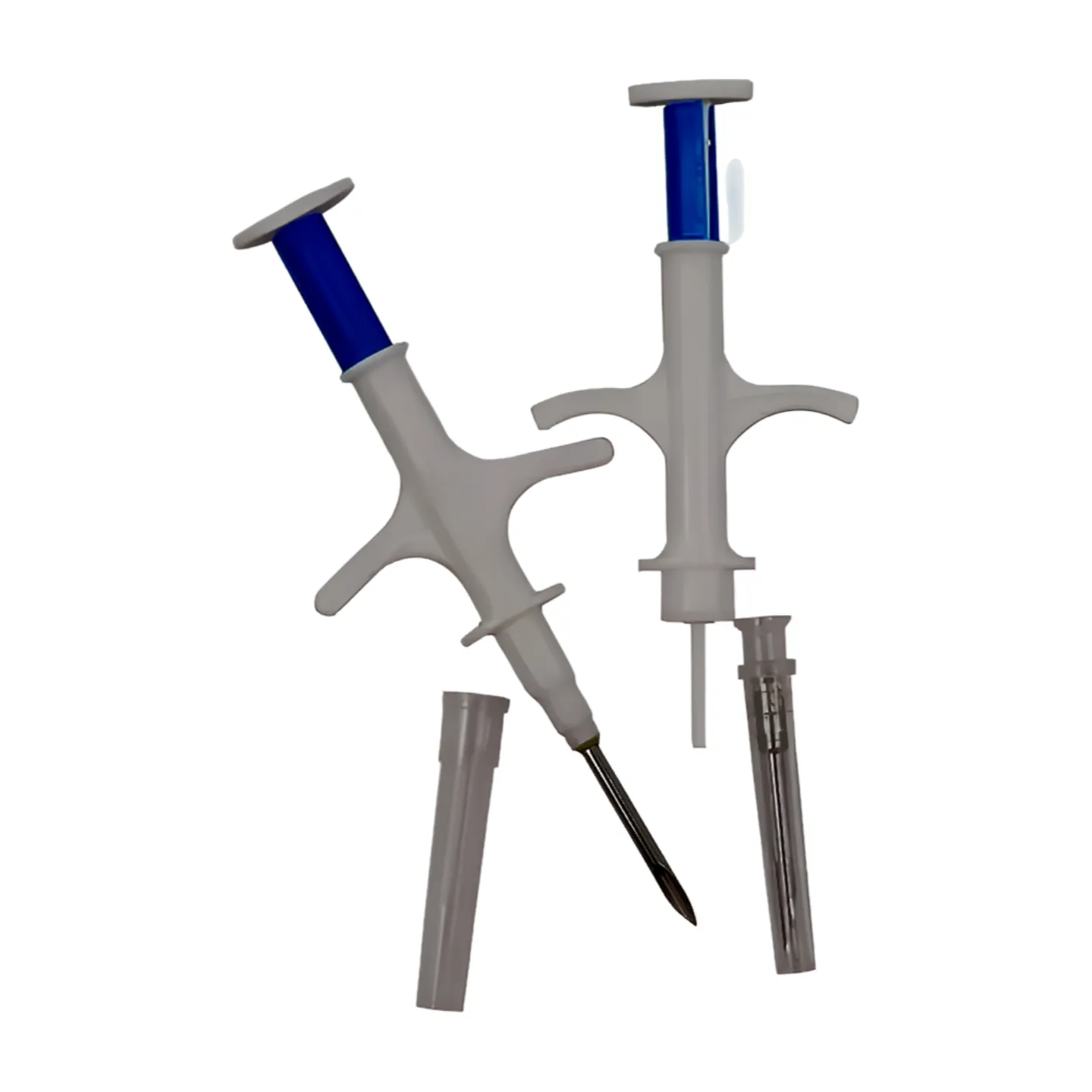
Animal ID Temperature Tag: RFID Microchip with Integrated Sensor
Product Overview
The Animal ID Temperature Tag is a dual-function passive RFID microchip engineered for modern animal management. This device solves the challenge of operating separate systems for identification and health monitoring by integrating a unique identifier with a precise temperature sensor in a single, miniaturized implant. Its core value lies in enabling proactive health management through continuous, non-invasive temperature data linked directly to a permanent animal ID. This product is essential for veterinarians, livestock farmers, research institutions, and pet care professionals.
Key Features and Benefits
Dual-Function Data Capture
This microchip delivers two critical data points simultaneously. It provides a permanent, unalterable Unique Identification (UID) number for lifetime animal tracking. Concurrently, its integrated sensor circuit captures and transmits accurate real-time core body temperature with each scan.
Industry Standard Compliance
The tag is fully compliant with the global ISO 11784/11785 FDX-B standards. This ensures universal compatibility, allowing the chip to be read by any standard animal RFID reader worldwide, facilitating seamless data integration and traceability.
Superior Design and Safety
Encapsulated in Bioglass, the microchip is designed for safety, biocompatibility, and long-term stability within animal tissue. Its ultra-compact form factor (1.4 x 8.5 mm) enables quick and minimally invasive implantation using a standard pre-loaded syringe applicator.
Reliable Passive Technology
As a passive RFID device, the tag requires no internal battery, drawing power entirely from the reader’s signal at 134.2 kHz. It utilizes Full Duplex (FDX-B) communication for stable, simultaneous two-way data transmission of both ID and temperature readings.
How the Animal ID Temperature Tag Works
The Implantation Process
A certified veterinarian or trained professional implants the microchip subcutaneously, typically in the standard location for the target species (e.g., neck scruff for pets). The procedure is quick and similar to a standard vaccination.
The Reading and Data Transmission Process
- A compatible ISO 11785 FDX-B reader is activated and brought near the animal’s implantation site.
- The reader’s 134.2 kHz RF field energizes the passive microchip.
- The activated chip instantly transmits its stored unique identification code (UID).
- The integrated sensor simultaneously measures the local tissue temperature and transmits this data.
- The reader receives and decodes both signals, displaying the animal’s identity and its current body temperature.
Primary Applications and Use Cases
Livestock Health and Management
Enable early disease detection by monitoring herds for fever, allowing for prompt intervention to prevent outbreaks. Manage breeding programs effectively by tracking temperature cycles and monitoring for post-partum complications like metritis.
Companion Animal (Pet) Care
Move beyond basic pet identification to include health monitoring. Provide veterinarians with immediate, accurate core temperature data during clinical exams, surgeries, or emergency situations, enhancing diagnostic capabilities.
Research and Conservation
Monitor health parameters in wildlife study populations with minimal disturbance. In laboratory settings, track the health and wellbeing of individual research animals accurately and efficiently for ethical and scientific data integrity.
Technical Specifications
| Attribute | Specification |
|---|---|
| Product Type | RFID Temperature Sensor Microchip |
| Core Function | Unique Identification & Temperature Sensing |
| Frequency | 134.2 kHz |
| Communication Standard | ISO 11784 / 11785 FDX-B |
| Chip Technology | Custom Sensor Chip / EM4305-based |
| Encapsulation Material | Bioglass |
| Dimensions | 1.4 mm (Diameter) x 8.5 mm (Length) |
| Power Source | Passive (Battery-Free), Reader Powered |
| Transmitted Data | Unique ID (UID) + Temperature Value |
Benefits for Veterinarians and Farmers
This technology facilitates a shift from reactive treatment to proactive animal health management. It significantly improves operational efficiency by combining two critical checks into a single, swift scan, reducing animal handling stress. The permanent link between identity and health data ensures absolute data integrity for individual records. Adoption of this ISO-standard system future-proofs operations with globally compatible equipment and data systems.
Frequently Asked Questions (FAQ)
What is an RFID temperature sensor tag?
An RFID temperature sensor tag is a passive electronic identification device that transmits both a unique identification code and real-time temperature data when activated by the radio frequency field from a compatible reader.
How does this temperature microchip work?
The microchip contains an RFID integrated circuit and a precision temperature sensor. When the chip enters the RF field of an ISO 11785 FDX-B reader, it is powered and responds by transmitting its pre-programmed unique ID number and the instantaneous temperature reading from the sensor.
Is it safe for animals?
Yes. The microchip is encased in Bioglass, a biocompatible material specifically chosen for its safety and inert properties for long-term subcutaneous implantation. It meets international standards for animal implantation.
What reader do I need?
You require an animal RFID reader that supports the FDX-B protocol and is compliant with the ISO 11785 standard. This is the most common global standard for animal identification, ensuring broad compatibility.