
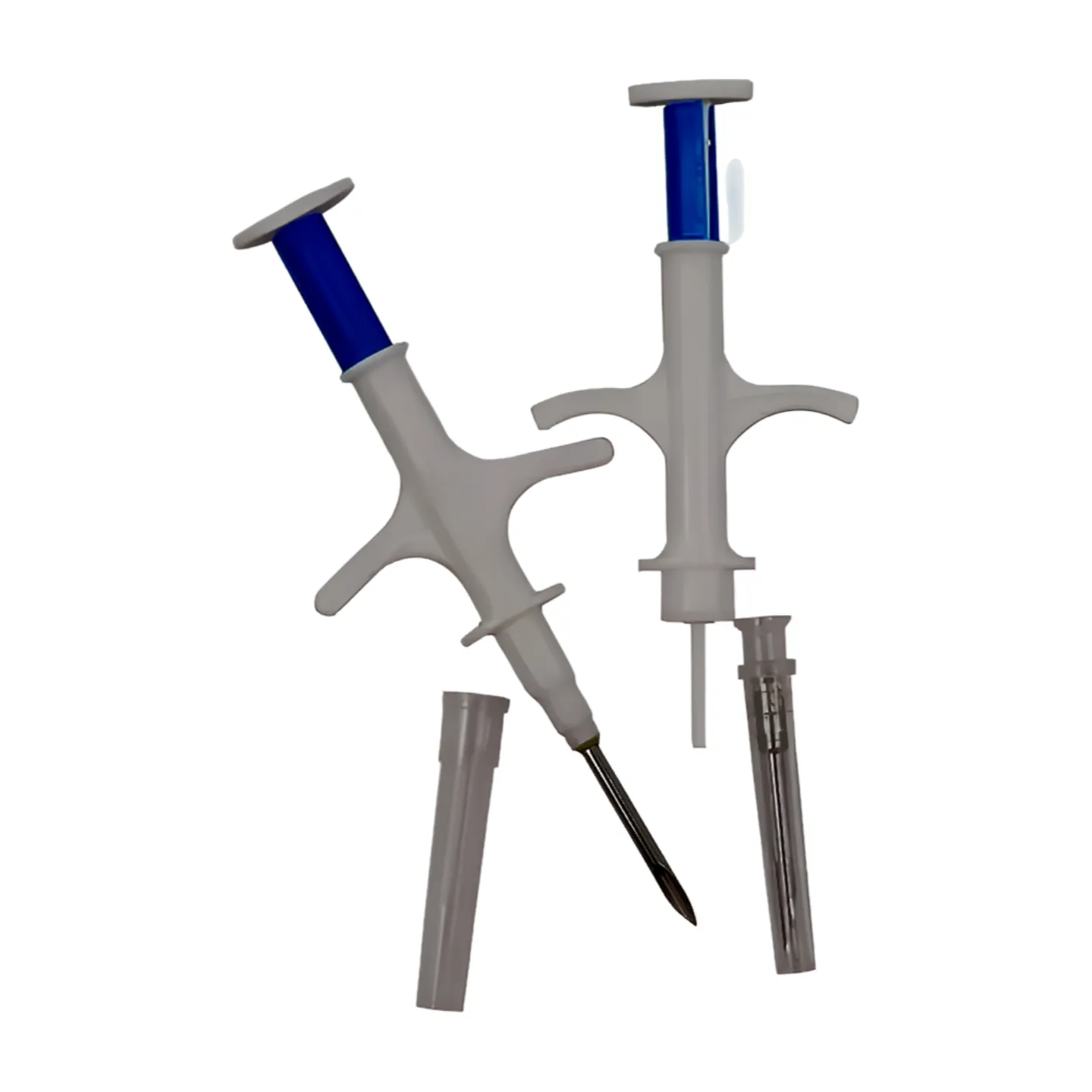
Animal ID Temperature Tag: Integrated RFID Sensor for Health Monitoring
This professional Animal ID Temperature Tag is a dual-function UHF RFID device engineered for modern veterinary medicine and livestock management. It seamlessly combines unique electronic identification with precise body temperature sensing in a single, robust package. The tag enables automated, non-contact monitoring, transforming how professionals track animal welfare, manage herds, and deliver proactive healthcare.
Core Technology and Operation
The tag operates on the UHF RFID frequency (860-960 MHz) and contains a specialized integrated circuit with a digital temperature sensor. When interrogated by a compatible UHF RFID reader, it simultaneously transmits its pre-programmed unique identification number and the current temperature reading measured at the tag’s location. This data is captured instantly by the reader and can be integrated directly into herd management software or veterinary practice systems, creating a seamless digital workflow.
Key Features and Technical Advantages
Dual-Function Data Capture
The primary advantage of this tag is its dual data output. A single scan captures both the animal’s permanent digital identity and a critical vital sign. This eliminates the need for separate manual temperature checks, reducing labor, minimizing animal stress from handling, and significantly decreasing the risk of data entry errors.
Precision Temperature Sensing
The integrated high-accuracy digital sensor provides reliable body temperature measurements. This allows for the establishment of individual baselines and the detection of deviations that may indicate fever, infection, metabolic issues, or stress, enabling early veterinary intervention.
Robust and Application-Specific Design
Built for demanding environments, the tag features a rugged, biocompatible housing that is resistant to moisture, chemicals, and physical impact. It is designed for specific attachment methods suitable for different animals, such as ear tagging for cattle and swine or collar attachment for companion animals.
Operational Efficiency with Long Read Range
Utilizing UHF technology, the tag offers a read range of several meters. This allows for efficient scanning of animals as they move through a gate, enter a milking parlor, or are housed in pens, enabling group-level health checks and inventory management without direct contact.
Primary Application Scenarios
Livestock Health and Welfare Management
Deployed in dairy, beef, and swine operations for continuous health monitoring. Early detection of illnesses like mastitis or respiratory disease improves treatment outcomes, reduces antibiotic use, and protects herd productivity. It also supports precise heat detection for optimized breeding programs.
Veterinary Practice Management
Streamlines patient intake and examination in clinics. Scanning an animal instantly pulls its medical history while logging its current temperature into the digital record. This enhances diagnostic speed, improves record accuracy, and elevates the standard of care.
Pet Identification and Wellness Tracking
Provides a permanent, unalterable ID for pets while offering owners and veterinarians a tool for routine wellness checks. Facilitates proactive healthcare management and provides essential data during veterinary visits.
Technical Specifications
| Parameter | Specification |
|---|---|
| Frequency | UHF 860-960 MHz |
| Protocol | ISO/IEC 18000-63 (EPC Gen2V2) |
| Sensor Type | Integrated Digital Temperature |
| User Memory | Sufficient for storing unique ID and sensor data |
| Operating Range | Varies based on reader and environment; typically up to 10 meters |
| Housing Material | Biocompatible, impact-resistant polymer |
| Environmental Rating | IP67 or higher for dust and water resistance |
| Data Output | Unique EPC Code + Temperature Value |
System Integration and Compatibility
To function effectively, the Animal ID Temperature Tag requires a system comprising compatible UHF RFID readers and animal management software. The tag’s data output is standardized, allowing for integration with most modern farm management information systems (FMIS) and veterinary practice management software. The reader captures the raw ID and temperature data, which the software then decodes, displays, and logs against the correct animal profile in the database.
Benefits Summary
- Enables proactive animal health management through continuous temperature monitoring.
- Automates data collection, saving time and reducing manual labor and errors.
- Minimizes animal stress by allowing vital sign checks without restraint or contact.
- Improves traceability and compliance for food safety and animal welfare programs.
- Provides a reliable, permanent digital identity for the animal’s lifetime.
- Offers a strong return on investment through improved herd health and operational efficiency.