
Product Overview
The Bioglass RFID Tag represents the standard for reliable and humane animal identification. This solution addresses the critical need for a permanent, unlosable method to identify companion animals and livestock, supporting recovery, medical management, and traceability.
What is a Bioglass RFID Tag?
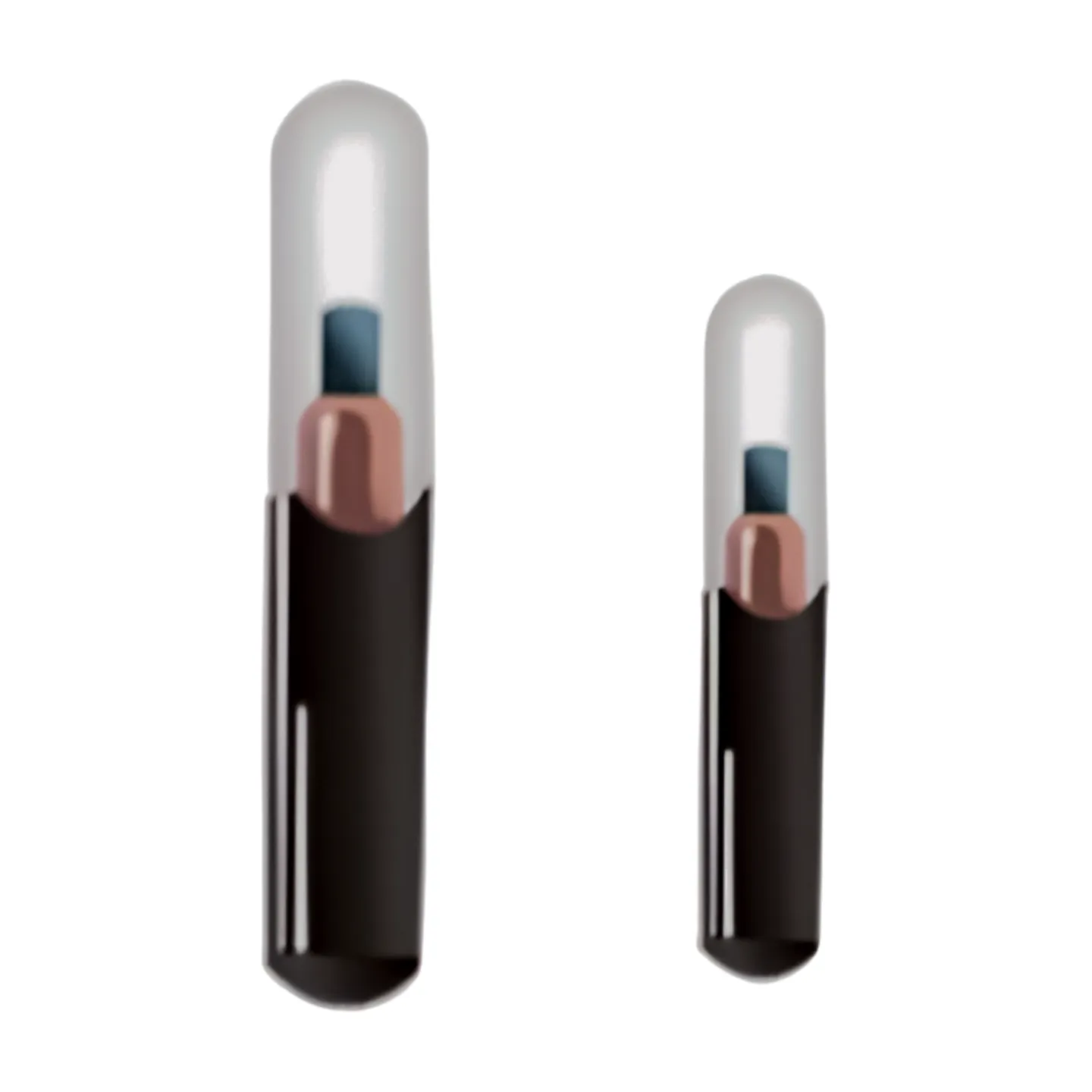
A Bioglass RFID Tag is a specialized passive RFID transponder encased within a capsule made of biocompatible soda-lime glass. It is designed for implantation under an animal’s skin, providing a permanent and unique digital identity. Its core value is delivering a tamper-proof, lifelong identification solution that remains with the animal regardless of circumstances, solving the problem of lost collars or unreliable visual tags.
Key Features & Benefits
Biocompatible & Bio-Stable Glass Encapsulation
The microchip is hermetically sealed in a specially formulated glass that is hypoallergenic and bio-inert. This encapsulation is engineered to be accepted by animal tissue, significantly reducing the risk of migration, rejection, or adverse reaction, thereby ensuring the animal’s long-term well-being.
Small Size for Minimally Invasive Implantation
With a compact cylindrical form factor measuring approximately 12mm in length and 2mm in diameter, the tag is designed for minimal discomfort. It is implanted using a sterile, pre-loaded syringe applicator, making the procedure quick, routine, and similar to a standard vaccination.
Passive RFID Technology for Lifelong Operation
Operating on passive RFID principles, the tag requires no internal battery. It is activated and powered entirely by the electromagnetic field emitted from a compatible RFID reader. This design ensures a maintenance-free operation with a functional lifespan exceeding 25 years, covering the lifetime of most animals.
Unique, Unalterable Identification Code
Each tag is pre-programmed at the factory with a globally unique 15-digit identification number compliant with international standards. This code is read-only and cannot be changed, providing positive, foolproof identification that is secure against loss, removal, or forgery.
How the Bioglass RFID Tag Works
The system operates through a simple four-step process:
- Implantation: A veterinarian injects the sterile microchip subcutaneously, typically between the animal’s shoulder blades, using a dedicated applicator.
- Registration: The unique ID number is immediately recorded in a authorized pet recovery or livestock management database, linked to the owner’s contact and the animal’s details.
- Scanning & Identification: If a lost animal is found, a handheld RFID reader passed over the implantation site energizes the tag, which then transmits its unique ID number to the reader.
- Recovery: The retrieved ID number is used to query the database, instantly providing the contact information necessary to reunite the animal with its owner.
Primary Applications & Use Cases
The Bioglass RFID Tag is versatile and critical across several domains:
- Pet Identification & Recovery: The primary application for dogs, cats, and other companion animals, providing irrefutable proof of ownership and the most effective means for reuniting lost pets with their families.
- Veterinary Clinic Management: Streamlines practice operations by linking a unique animal ID to electronic medical records, ensuring accurate tracking of vaccination history, treatments, and owner information.
- Livestock Tracking & Herd Management: Enables individual animal identification for breeding programs, health monitoring, disease control, and full traceability within the agricultural supply chain.
Technical Specifications
- Frequency: 134.2 kHz (Low Frequency – LF)
- Communication Standard: ISO 11784 / 11785, FDX-B
- Chip Type: Read-Only (Factory Programmed Unique ID)
- Dimensions: Approximately 12mm (length) x 2mm (diameter)
- Encapsulation Material: Biocompatible Soda-Lime Glass
- Typical Read Range: 10 cm to 15 cm (4 to 6 inches) with compatible reader
- Operating Temperature: -40°C to +85°C
- Expected Lifespan: Greater than 25 years
Benefits for Stakeholders
The implementation of Bioglass RFID Tags delivers distinct advantages to all parties involved:
- For Pet Owners: Provides ultimate peace of mind through permanent proof of ownership and dramatically increases the likelihood of recovering a lost pet.
- For Veterinarians: Enhances clinic efficiency and patient safety by eliminating identification errors and supporting advanced digital record-keeping systems.
- For Breeders & Livestock Managers: Facilitates reliable pedigree verification, simplifies complex health and breeding logs, and ensures compliance with industry and governmental traceability mandates.
Industry Use Cases in Detail
- Companion Animal Sector: Often mandatory for international pet travel programs like the EU Pet Passport. Widely adopted by animal shelters, rescue organizations, and veterinary clinics as a best practice for permanent identification.
- Equine Industry: Used for identifying horses for breed registry purposes, competition eligibility verification, and maintaining comprehensive health and ownership records.
- Agricultural & Farming: Critical for government-led disease control and eradication programs, quality assurance protocols, and optimizing herd productivity through data-driven management of individual animals.