
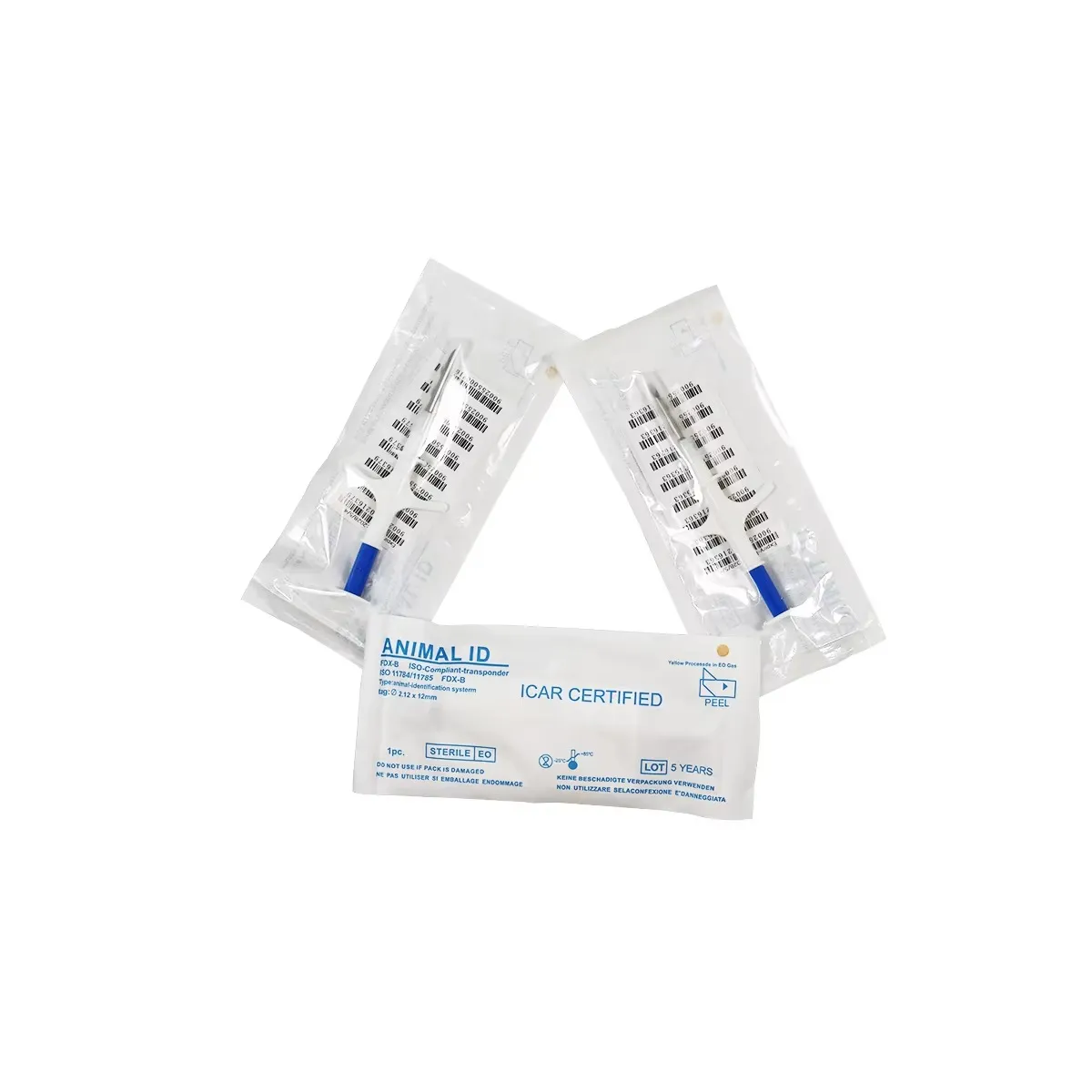
Product Overview
The ISO 11784 RFID Temperature Tag is a specialized device that merges reliable animal identification with integrated temperature sensing. It solves the core problem of needing separate systems for tracking and health monitoring by combining both functions into a single, compliant tag. Designed for veterinarians, livestock farmers, breeders, and research facilities, its unique value proposition is enabling proactive health management while meeting mandatory international identification standards.
Key Features & Benefits
This tag delivers significant advantages through its integrated design. The dual-function capability means one tag handles both ID and temperature, streamlining operations. Full compliance with the ISO 11784/11785 FDX-B standard guarantees global compatibility with existing livestock readers and databases. Its primary benefit is proactive health monitoring, allowing for the early detection of fever or illness before visible symptoms appear. This process is non-invasive and stress-free for the animal, eliminating the need for manual restraint and checks. The tag is also built to be durable and bio-compatible, ensuring safety and longevity for long-term implantation or attachment.
How the Product Works
The operation is a seamless, three-step process. First, for identification, a compatible RFID reader scans the tag to capture its unique, unalterable 15-digit ID code, instantly accessing the animal’s records. Second, the integrated sensor continuously measures the animal’s body temperature. Finally, the tag transmits both the ID number and the current temperature data simultaneously via the standard FDX-B signal. This combined data stream is captured by the reader and can be integrated directly into management software for logging, tracking, and generating health alerts.
Primary Applications
This tag is versatile for numerous animal management scenarios. In livestock health management, it is crucial for monitoring herds for early signs of disease outbreaks like swine fever or bovine respiratory disease. Veterinary care is streamlined, as clinic visits benefit from instant ID and baseline temperature data. Breeding programs utilize the tag to track vital health metrics of valuable breeding stock. For pet wellness, particularly for high-value or at-risk animals, it enables continuous health monitoring alongside permanent identification.
Technical Specifications
- Frequency: 134.2 kHz (Low Frequency)
- Communication Protocol: ISO 11784/11785 FDX-B
- Data Capacity: Unique 15-Digit ID + Temperature Data
- Sensing Capability: Integrated Temperature Sensor
- Read Range: Subject to reader and environment (typical for LF applications)
- Housing: Bio-compatible glass for implantation; durable polymer for ear tag applications.
Benefits for Users
Choosing this integrated tag offers multiple concrete benefits. It directly contributes to improved animal welfare by facilitating early illness detection and intervention. Operational efficiency is greatly enhanced by combining two critical tasks—identification and temperature checking—into one instantaneous scan. Users gain the ability to make data-driven decisions based on objective health metrics. The tag ensures regulatory compliance with international animal ID standards. Ultimately, it can lead to significant cost savings by preventing widespread disease loss through early detection and targeted treatment.
Industry Use Cases
The tag is effectively deployed across various sectors. On dairy farms, it monitors milk cows for temperature fluctuations that can indicate mastitis. In swine production, it tracks the temperature of farrowing sows and growing pigs to manage herd health. Equine managers use it to monitor competition or breeding horses for signs of stress or illness. Veterinary hospitals employ the tags to efficiently manage inpatient care and medical records. Research institutions rely on them to collect precise, linked identification and physiological data for scientific studies.