
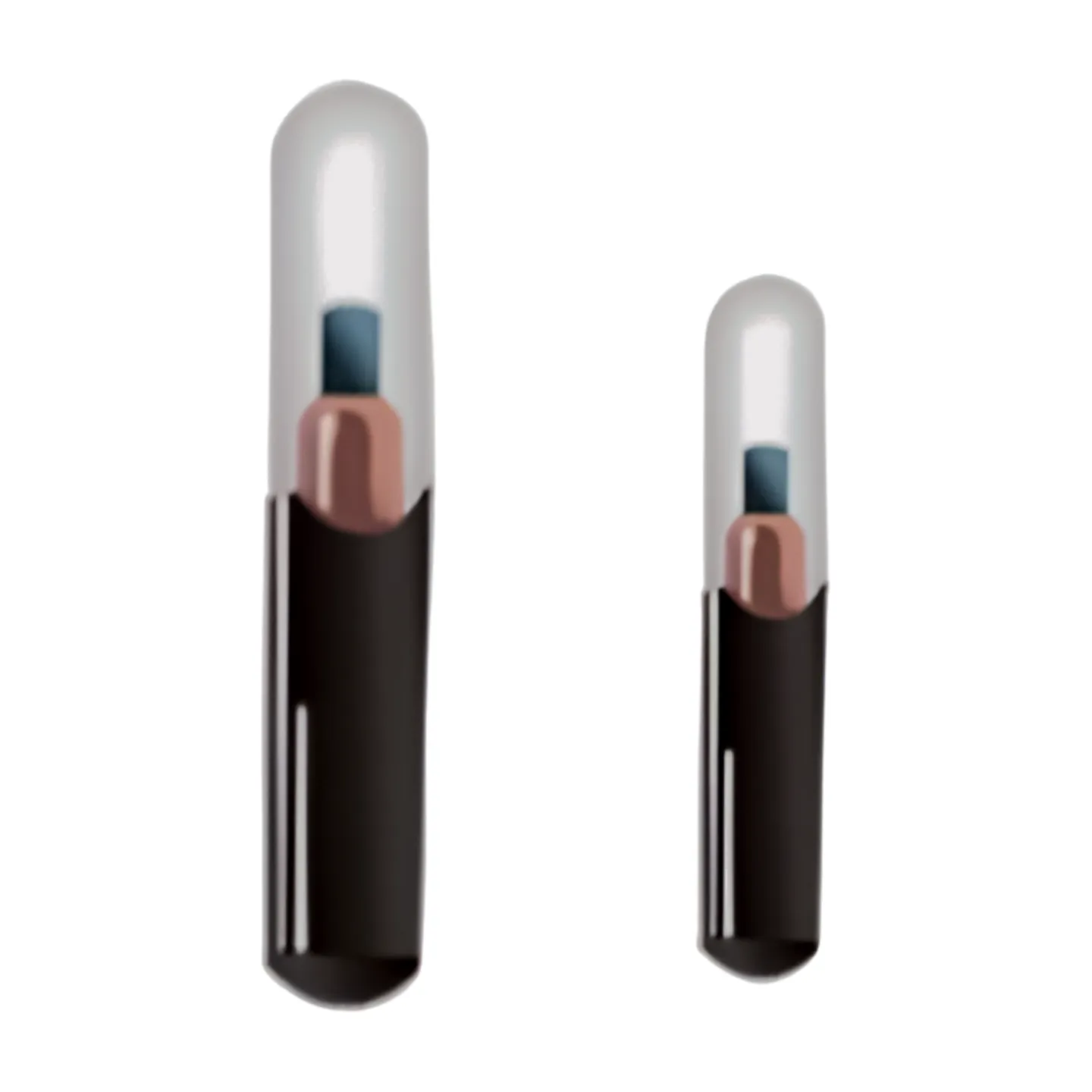
Product Overview
Low Frequency (LF) RFID Temperature Tags are specialized electronic devices that combine unique animal identification with continuous core body temperature monitoring. Operating on the 125-134 kHz frequency band, these tags are engineered for reliability amidst the metal and moisture-rich environments of modern farms. They provide a critical solution for proactive herd health management by enabling the remote and stress-free tracking of a key vital sign, facilitating early intervention and data-driven decision-making for farmers, ranchers, and veterinarians.
Key Features and Technical Specifications
Dual-Function Operation
The tag’s primary function is dual-purpose: it acts as a permanent, unique identifier for individual animals while simultaneously functioning as a wireless thermometer. This eliminates the need for separate identification and manual temperature checks.
Core Technical Specifications
- Frequency: 125 – 134 kHz (Low Frequency)
- Read Range: Up to 1.5 meters, dependent on reader and tag type.
- Temperature Sensor: Integrated thermal sensor with a standard measurement range of 25°C to 45°C.
- Measurement Accuracy: Typically ±0.1°C to ±0.5°C, ensuring reliable health data.
- Data Transmission: Transmits unique ID and current temperature reading simultaneously.
- Environmental Rating: High ingress protection (e.g., IP67) for waterproof and dustproof performance.
- Form Factors: Available as implantable tags, rumen boluses, or external ear tags.
- Battery Life: Active sensor models offer 3-5 years of continuous monitoring.
How It Works
The LF RFID Temperature Tag is a passive device that is activated by the electromagnetic field generated by a compatible LF reader. When energized, the tag powers its internal circuitry, reads the current temperature from its embedded sensor, and transmits this data along with its unique identification code back to the reader. The low frequency signal provides excellent penetration through animal tissue and is less susceptible to interference from water and metal objects common in barns and milking parlors. Readers are strategically placed at points of regular animal passage, such as feeding stations, water troughs, or milking robots, enabling automated data collection without disrupting the animals’ routine.
Primary Applications in Livestock Management
- Early Disease Detection: Continuous temperature monitoring serves as an early warning system for infections like mastitis in dairy cows or Bovine Respiratory Disease (BRD) in feedlots, enabling prompt treatment.
- Heat Stress Monitoring: Tracks body temperature to identify animals under thermal stress, allowing for timely management interventions.
- Estrus and Calving Detection: Monitors temperature fluctuations associated with estrus cycles and impending calving for optimized breeding and herd management.
- Precision Livestock Farming: Integrates with farm management software to create individual animal health profiles, support treatment decisions, and maintain comprehensive welfare records.
- Veterinary and Research Use: Provides valuable continuous data for veterinary diagnostics, treatment efficacy monitoring, and agricultural research studies.
Benefits for Livestock Operations
- Proactive Animal Health: Enables early illness detection before clinical signs are visible, improving treatment outcomes and animal welfare.
- Operational Efficiency: Reduces labor for manual temperature checks and physical inspections, allowing staff to focus on other tasks.
- Economic Advantages: Lowers mortality rates, decreases treatment costs through early intervention, and improves overall herd productivity.
- Data-Driven Insights: Provides historical temperature trends for individual animals and the herd, supporting better management and genetic decisions.
- Traceability and Compliance: Enhances animal traceability systems and supports documentation for quality assurance and animal welfare certifications.
Implementation Considerations
Successful deployment requires selecting the appropriate tag type (ear tag, bolus, implant) for the target species and management system. A compatible LF reader network must be installed at strategic data collection points. Integration with dedicated livestock management software is essential for data analysis, alert configuration, and generating actionable reports. Staff training on data interpretation and response protocols ensures the technology delivers its full potential return on investment through improved animal health and operational efficiency.