September 14, 2026
With the increasing demand for digital security management, smart inspection systems, and automated asset tracking, Security NTAG213 RFID Patrol Anti-Metal Coin Token NFC Tags have become an efficient identification solution for security patrol systems, industrial inspections, equipment management, and smart facility operations.
Traditional patrol methods such as paper records, manual signatures, and visual checkpoints often create problems including inaccurate data, missed inspections, and difficult management. By using NFC-enabled anti-metal coin tokens, organizations can create a reliable digital checkpoint system where security personnel or workers simply tap an NFC-enabled device to record inspection activities.
Designed for harsh environments, the NTAG213 RFID anti-metal token combines NFC technology with a special shielding layer that allows stable operation when attached to metal surfaces. This makes it suitable for factories, warehouses, buildings, transportation facilities, energy systems, and outdoor assets.
This article explains what an NTAG213 RFID patrol anti-metal coin token NFC tag is, how it works, its applications, the problems it solves, international standards, customization options, and competitive advantages compared with other identification technologies.
What Is a Security NTAG213 RFID Patrol Anti-Metal Coin Token NFC Tag?
A Security NTAG213 RFID Patrol Anti-Metal Coin Token NFC Tag is a passive NFC identification device designed for use as a fixed checkpoint in security guard tour systems and asset management applications.
Unlike ordinary NFC tags, standard NFC products cannot work properly when installed directly on metal surfaces because metal interferes with the electromagnetic field generated during communication.
An anti-metal NFC token solves this problem by adding a special shielding material between the NFC antenna and the metal surface. This allows the tag to maintain stable communication performance even when attached to steel doors, machines, cabinets, vehicles, and other metallic objects.
The main components include:
- NTAG213 NFC chip
- Copper antenna coil
- Anti-metal shielding layer
- Waterproof protective housing
- Adhesive backing or mounting structure
Typical specifications:
| Specification | Details |
|---|---|
| Chip | NTAG213 |
| Frequency | 13.56 MHz |
| Communication Standard | ISO/IEC 14443A |
| NFC Compatibility | NFC Forum Type 2 Tag |
| Memory Capacity | 144 bytes user memory |
| Reading Distance | 1–5 cm depending on device |
| Material | PVC, ABS, epoxy, PCB, PET |
| Installation | Adhesive, screw, or embedded mounting |
| Operating Temperature | -25°C to +85°C |
| Waterproof Option | IP65/IP67/IP68 |
| Service Life | More than 10 years |
The NTAG213 chip is widely supported by Android smartphones and professional NFC readers, making deployment simple without requiring specialized equipment.
Security Ntag213 rfid patrol anti-metal coin token nfc tag
Features:
1) .Durable and can work in harsh environment.
2).Waterproof.
3).Moisture proof.
4).Anti shock.
5).High temperature resistance.
6).Anti metal optional.
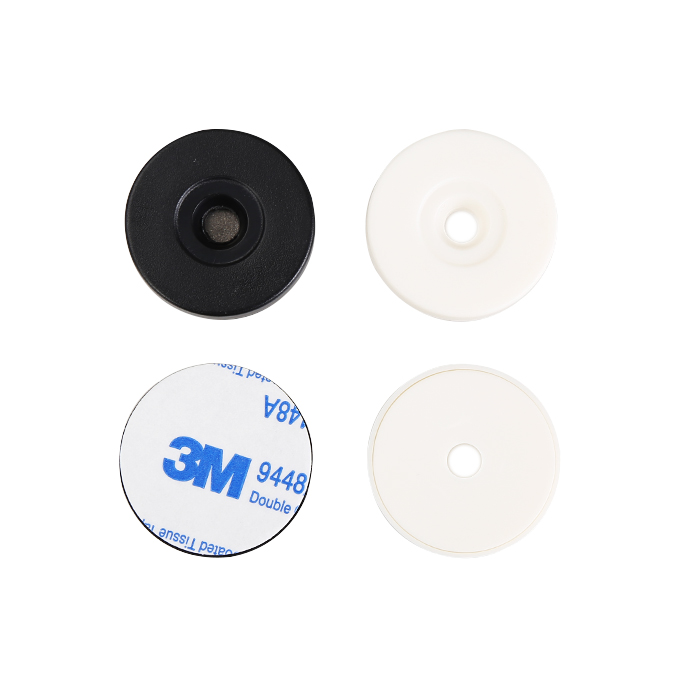

| Product name | Security Ntag213 rfid patrol anti-metal coin token nfc tag |
| Product Description | Standard ABS waterproof tags Can customize with pptional features: *complete water/ oil proof *anti-metal layer * 3 m back adhesive |
| Material | ABS |
| Installation | Adhesive paste with strong 3 M glue, or screw Can be used on warehouse managerment, property tracking, can be installed on pallet, the cartons, machine etc. |
| Size | Round shape, normal diameter in 25/30/34/40/52mm Customize size available |
| Chip | LF: TK4100, EM4100, EM4200, EM4305, T5577 HF: FM11RF08, 1K S50, S70, Ult, sli, N213/215/216, etc UHF: UC G2XL , H3, M4 ,M5, etc |
| Reading distance | 0-6m, according to reader and chip |
| Operating temperature | -25℃~60℃ |
| Customize | Size and logo |
| Application | Warehouse managerment, property tracking, can be installed on pallet, the cartons, machine etc. |
We can do the all nfc chips ,like ntag213,ntag215,ntag216 etc
SGS Approved
Lead time is 5 days

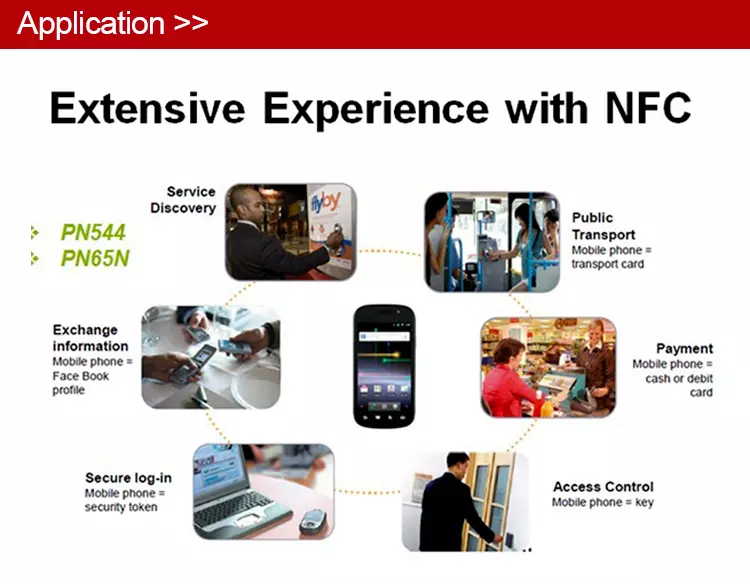
How Does NTAG213 RFID Patrol NFC Tag Work?
The working principle is based on Near Field Communication (NFC) technology.
The communication process includes:
1. NFC Reader Activation
A smartphone or NFC patrol device generates a 13.56MHz electromagnetic field.
2. Energy Transfer
The NFC antenna inside the token receives energy from the reader. Because the NTAG213 is passive, it does not require batteries.
3. Data Exchange
After activation, the chip transmits stored information such as:
- Unique identification number
- Patrol checkpoint ID
- Equipment information
- Maintenance instructions
- Web links
- Digital records
4. Database Recording
The patrol application records:
- Personnel identity
- Inspection location
- Time
- Task completion status
- Abnormal findings
Managers can review patrol data through cloud-based software platforms.
Why Anti-Metal Technology Is Important?
Standard NFC tags are designed for non-metal surfaces such as plastic, glass, paper, and wood.
When installed directly on metal:
- Reading distance decreases significantly
- Communication becomes unstable
- The NFC field may be disrupted
Anti-metal NFC tags use a ferrite shielding layer to separate the antenna from the metal surface.
Advantages include:
- Stable NFC communication
- Better reading performance
- Longer outdoor service life
- Flexible installation options
This makes them ideal for industrial and security applications where metal equipment is common.
Main Applications
Security Guard Patrol Systems
The most common application is electronic guard tour management.
Security companies install NFC patrol tokens at checkpoints such as:
- Building entrances
- Parking areas
- Fire exits
- Equipment rooms
- Warehouses
- Factory production areas
Guards use smartphones or NFC readers to scan each checkpoint, creating automatic patrol records.
Benefits include:
- Real-time monitoring
- Reduced manual paperwork
- Improved security accountability
- Accurate inspection records
Industrial Equipment Inspection
Factories use NFC anti-metal tokens to identify machines and inspection points.
Workers can access:
- Equipment maintenance history
- Inspection requirements
- Repair records
- Operating instructions
This improves preventive maintenance efficiency.
Smart Factory Management
In Industry 4.0 environments, NFC tokens help connect physical equipment with digital systems.
Applications include:
- Production line monitoring
- Machine maintenance
- Operator authentication
- Work order management
Warehouse and Logistics Management
Anti-metal NFC tags can be installed on:
- Storage racks
- Containers
- Machinery
- Vehicles
- Tools
Companies can quickly identify assets and update inventory information.
Facility Management
Commercial buildings use NFC checkpoints for:
- Cleaning inspections
- Safety checks
- Fire equipment inspections
- Building maintenance
Energy and Utility Inspection
Power plants, telecom facilities, and utility companies use NFC patrol tags for regular inspections of:
- Electrical cabinets
- Transformers
- Communication equipment
- Outdoor infrastructure
Problems Solved by NTAG213 Anti-Metal NFC Tokens
Eliminating Paper-Based Patrol Records
Traditional security patrol systems rely on handwritten forms, which can create:
- False records
- Missing data
- Difficult reporting
NFC systems automatically record inspection information digitally.
Improving Security Accountability
Every scan creates a timestamped digital record, allowing managers to verify whether patrol tasks were completed.
Reducing Management Costs
Digital inspection systems reduce administrative work and improve operational efficiency.
Solving Metal Installation Challenges
Standard NFC tags fail on metal surfaces. Anti-metal technology enables reliable deployment in industrial environments.
Improving Asset Traceability
Each NFC token provides a unique digital identity for equipment, locations, or inspection points.
International Standards and Compliance
Professional NTAG213 RFID anti-metal NFC tags follow recognized international standards.
ISO/IEC 14443A
Defines communication standards for high-frequency contactless identification systems.
NFC Forum Type 2 Tag
NTAG213 is certified as an NFC Forum Type 2 Tag, ensuring compatibility with NFC-enabled devices.
ISO 9001
Quality management systems ensure consistent manufacturing processes.
CE Compliance
Required for many electronic products entering European markets.
RoHS Compliance
Controls hazardous substances used in electronic products.
REACH Compliance
Ensures chemical safety requirements for materials.
Manufacturers typically perform:
- Read/write testing
- Waterproof testing
- Temperature testing
- Adhesion testing
- Anti-metal performance testing
- Aging testing
(Article continues in Part 2: OEM customization, competitive analysis, NTAG213 comparison, NFC vs QR code/barcode, and purchasing guide.)