October 21, 2026
In today’s dynamic sports landscape, technology has become an indispensable tool for optimizing event operations and enriching experiences across the board—for athletes, staff, and spectators. A standout innovation in this space is Radio Frequency Identification (RFID) technology, which has evolved from a niche tool to a core component of managing sports events ranging from local 5Ks to global championships.
One of the most impactful uses of RFID in sports is athlete timing and tracking. By affixing small, durable RFID tags to athletes’ gear (such as shoes, bibs, or equipment), organizers can capture precise, real-time data on performance—whether it’s split times for marathon runners or positional data for soccer players. This not only ensures accurate, indisputable results but also provides coaches and teams with actionable insights to refine strategies and boost performance. For example, a professional cycling team used RFID tags on riders’ jerseys to analyze energy expenditure during stages, leading to adjusted pacing that improved their overall finish.
Beyond athletes, RFID streamlines access control for event staff and VIPs. Authorized personnel—including officials, media, and sponsors—use RFID-enabled badges or wristbands to gain entry to restricted areas. This system reduces wait times, minimizes human error, and enhances security by preventing unauthorized access to sensitive zones like locker rooms or press boxes. At a recent international tennis tournament, RFID badges cut credential check times by 40%, allowing staff to focus on more critical tasks.
For spectators, RFID technology transforms passive viewing into an interactive, personalized experience. Many events now distribute [RFID silicone wristbands](https://www.dorfidtag.com/RFID-silicone-wristbands-RFID-wristbands-event-wristbands_2421.html) that let fans engage with in-venue activities: voting for their favorite player, redeeming food and drink offers, or even accessing exclusive content. These wristbands not only make fans feel more connected to the event but also help organizers gather data on fan behavior to improve future experiences. A city-wide marathon, for instance, used these wristbands to let spectators send digital cheers to runners at checkpoints, turning isolated moments into shared celebrations that boosted participant morale.
RFID also revolutionizes ticketing and entry management. Traditional paper tickets are prone to fraud and slow down entry lines, but RFID-integrated tickets or wristbands enable contactless, rapid check-ins. This not only reduces wait times (a major pain point for large events) but also eliminates counterfeit tickets—protecting both organizers from revenue loss and fans from disappointment. At a recent soccer final, RFID ticketing cut entry wait times by 50%, allowing 80,000 fans to enter the stadium smoothly.
Asset tracking is another critical application. Sports events rely on countless pieces of equipment—from broadcast cameras to first-aid kits—and losing even one item can disrupt operations. By tagging these assets with RFID labels, organizers can track their location in real time, ensuring everything is where it needs to be when it’s needed. A major golf tournament used RFID to monitor the movement of scoreboards and carts, reducing equipment downtime by 30% and keeping the event on schedule.
In emergencies, RFID can be a lifesaver. Medical personnel and equipment can be tagged with RFID chips, allowing organizers to locate them instantly in case of an injury or crisis. This rapid response capability enhances safety for everyone at the event—from a runner suffering heat exhaustion to a spectator with a medical emergency. At a triathlon, RFID-tagged defibrillators were located within 60 seconds of a participant collapsing, enabling life-saving treatment.
Data collection and analysis are perhaps the most underrated benefits of RFID. Every interaction with an RFID tag—whether a spectator scanning their wristband or an athlete crossing a timing mat—generates valuable data. Organizers can use this information to optimize event layouts (e.g., moving food stalls to reduce congestion), adjust scheduling (e.g., adding more water stations for marathons), or tailor marketing efforts to specific fan segments. A professional basketball league used RFID data to发现 that 70% of fans visited the team store during halftime, leading them to add more checkout lanes and boost merchandise sales by 25%.
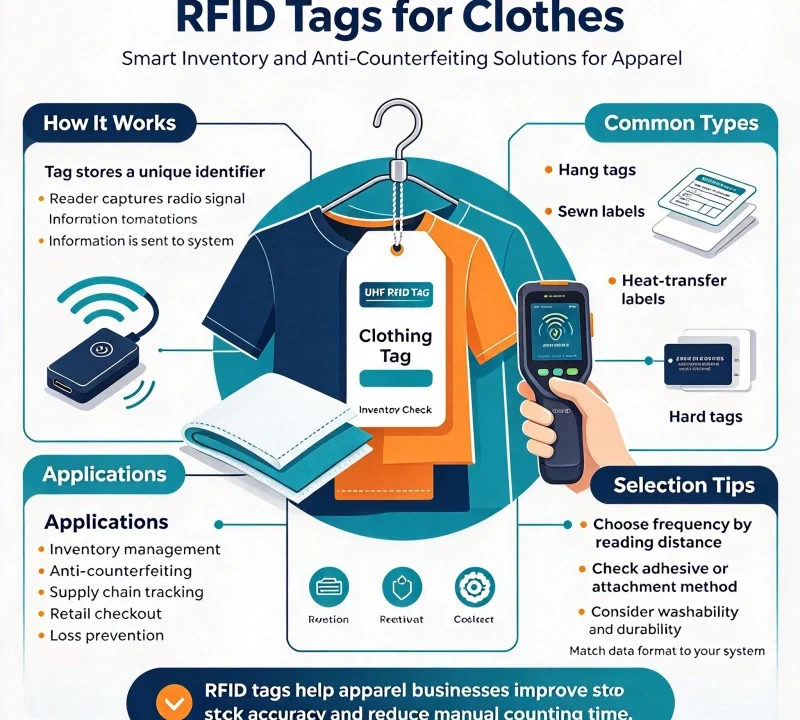
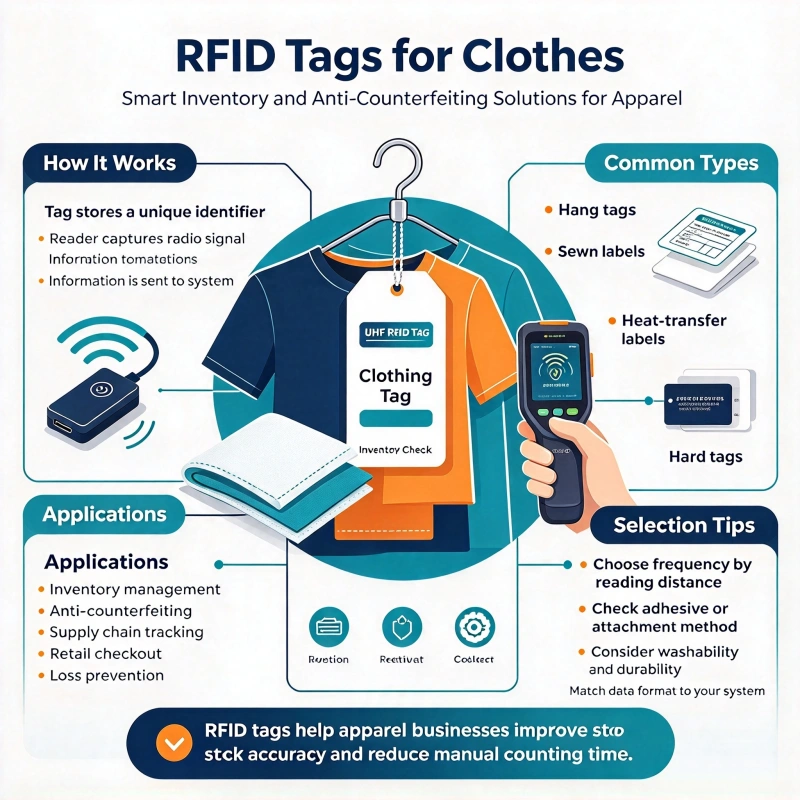
Finally, RFID helps protect the integrity of sports merchandise. Counterfeit gear is a major issue for leagues and teams, costing them millions in revenue and damaging their reputation. But RFID-tagged products let fans and retailers verify authenticity instantly—by scanning the tag with a smartphone or reader. This not only safeguards fans from purchasing fake items but also supports the livelihoods of official retailers and manufacturers.
As sports events continue to grow in size and complexity, RFID technology will remain a cornerstone of effective management. Its ability to improve accuracy, enhance security, boost engagement, and provide actionable data makes it an invaluable tool for organizers looking to create memorable, seamless experiences. Whether it’s a local youth tournament or a global championship, RFID is changing the game—one tag at a time.

Au is an RFID and NFC manufacturer based in Shenzhen, China, with over 10 years of experience.