October 21, 2026
| Item | Specification |
| Operating Frequency | HF 13.56MHz, UHF GLOBAL 860MHz-960MHz |
| Standard | ISO14443,ISO15693,ISO 18000-6C |
| Material | PVC, PET |
| Dimension | 310mm x 468mm,400*505mm, 490*650mm etc |
| Layout | 2*5,4*5,5*5,4*6,4*7,4*8,3*6,3*7,3*8,6*8,4*10or any Customization of CR80 card or any unit antenna size |
| Thickness | HF normal:0.3mm, 0.35mm,0.4mm0.45mm,0.5mm,( min.0.3mm ) |
| LF normal : 0.5mm0.55mm,6mm | |
| UHF 0.6mm, 0.5mm | |
| Antenna | HF: Copper coil, Aluminium foil |
| LF: Copper Coli | |
| UHF: Aluminium foil | |
| Printing | Silk screen |

In today’s digital economy, secure identification, contactless payments, transportation ticketing, access control, and smart city infrastructure rely heavily on advanced RFID technology. As governments, enterprises, universities, transportation operators, and financial institutions seek more secure and efficient contactless solutions, the demand for high-security RFID chips continues to grow.
Among the most trusted RFID technologies available, the Contactless 13.56MHz MIFARE DESFire EV1 2K/4K/8K HF RFID Inlay Prelam Sheet has become a global standard for manufacturing secure smart cards. Combining advanced encryption, fast transaction speeds, flexible memory options, and multi-application functionality, DESFire EV1 technology is widely used in transportation cards, government IDs, campus cards, corporate access control systems, cashless payment programs, and smart city projects.
This article provides a comprehensive analysis of MIFARE DESFire EV1 RFID inlays and prelam sheets, including their structure, working principles, technical advantages, pain points solved, application scenarios, manufacturing process, and comparisons with competing RFID technologies.
What Is a Contactless 13.56MHz MIFARE DESFire EV1 RFID Inlay Prelam Sheet?
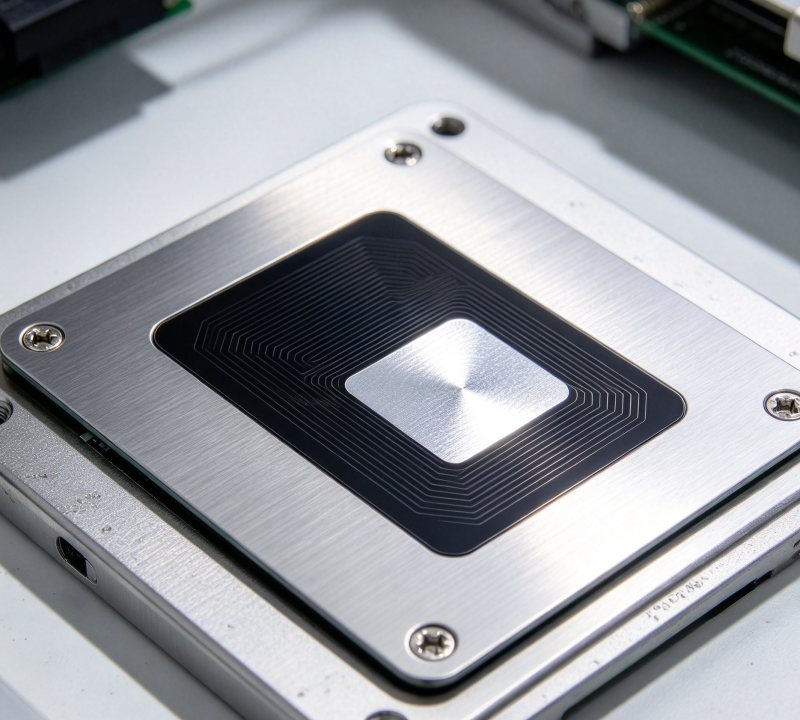
A MIFARE DESFire EV1 RFID inlay is the electronic core embedded inside a contactless smart card.
The inlay typically consists of:
• MIFARE DESFire EV1 chip
• Copper or aluminum antenna
• PET substrate
• Chip bonding module
• Protective coating
A prelam sheet is a semi-finished laminated sheet containing multiple RFID inlays positioned inside PVC, PETG, ABS, or polycarbonate layers before final card production.
Card manufacturers use these prelam sheets to produce:
• Employee ID cards
• Government identification cards
• Transportation cards
• Campus cards
• Hotel key cards
• Healthcare cards
• Membership cards
• Cashless payment cards
The DESFire EV1 chip operates at 13.56MHz and complies with international smart card standards, making it one of the most secure and flexible RFID solutions available.
Understanding MIFARE DESFire EV1 Technology
MIFARE DESFire EV1 was developed by NXP Semiconductors to address the growing need for secure contactless transactions.
Unlike basic RFID chips that simply transmit identification numbers, DESFire EV1 functions as a sophisticated microcontroller capable of:
• Running multiple applications
• Storing encrypted data
• Supporting secure authentication
• Managing access rights
• Performing secure transactions
The technology combines RFID communication with cryptographic security, making it suitable for mission-critical applications.
What Do 2K, 4K, and 8K Mean?
DESFire EV1 is available in different memory capacities.
DESFire EV1 2K
Memory:
• 2 KB EEPROM
Typical applications:
• Access control
• Employee ID cards
• Membership programs
DESFire EV1 4K
Memory:
• 4 KB EEPROM
Typical applications:
• University campus cards
• Hotel systems
• Corporate identification
DESFire EV1 8K
Memory:
• 8 KB EEPROM
Typical applications:
• Smart city programs
• Public transportation
• Cashless payment systems
• Government projects
Larger memory enables more applications and greater data storage flexibility.
Structure of a DESFire EV1 RFID Inlay
A typical RFID inlay contains several critical components.
DESFire EV1 Chip
The chip serves as the processing and storage center.
Functions include:
• Data storage
• Encryption
• Authentication
• Transaction processing
Antenna Coil
The antenna receives and transmits radio signals.
PET Carrier Layer
Provides flexibility and structural support.
Bonding Materials
Connect the chip and antenna securely.
Protective Layer
Protects electronic components during card manufacturing.
These components work together to create a reliable contactless communication system.
What Is a Prelam Sheet?
A prelam sheet is an intermediate product used in RFID card manufacturing.
The sheet contains multiple embedded RFID inlays that have already undergone preliminary lamination.
Advantages include:
• Improved production efficiency
• Better inlay positioning accuracy
• Reduced manufacturing defects
• Faster card production
• Lower production costs
After printing and personalization, the prelam sheet is punched into individual smart cards.
How Does MIFARE DESFire EV1 Work?
The technology operates using high-frequency contactless communication.
Step 1: Reader Generates Electromagnetic Field
An RFID reader emits a 13.56MHz radio frequency field.
Step 2: Card Activation
When the RFID card enters the field, the antenna captures energy.
No battery is required.
Step 3: Secure Communication Establishment
The DESFire EV1 chip activates and initiates communication.
Step 4: Mutual Authentication
The card and reader verify each other’s authenticity using cryptographic keys.
Step 5: Encrypted Data Exchange
Data is transmitted securely between the card and reader.
Step 6: Transaction Execution
The system performs actions such as:
• Opening a secure door
• Recording attendance
• Validating transportation tickets
• Processing payments
The process is completed within milliseconds.
Advanced Security Features
Security is the primary reason many organizations choose DESFire EV1.
AES Encryption
Supports 128-bit AES encryption.
3DES Encryption
Supports Triple DES cryptographic algorithms.
Mutual Authentication
Prevents unauthorized readers from accessing card data.
Secure Messaging
Protects data during transmission.
Multiple Application Keys
Each application can have independent security credentials.
Anti-Cloning Protection
Makes card duplication extremely difficult.
These features provide a significant advantage over conventional RFID technologies.
Technical Specifications
Parameter
Specification
Chip Type
MIFARE DESFire EV1
Frequency
13.56 MHz
Standard
ISO/IEC 14443A
Memory Options
2K / 4K / 8K
Communication Speed
Up to 848 kbps
Data Retention
10 Years+
Read Distance
Up to 10 cm
Encryption
AES, 3DES
Read/Write Cycles
500,000+
Operating Temperature
-25°C to +70°C
These specifications support high-performance and long-term reliability.
Pain Points Solved by DESFire EV1 RFID Inlays
Problem 1: Card Cloning
Many traditional RFID cards can be copied.
DESFire EV1 uses advanced encryption to protect credentials.
Problem 2: Weak Access Security
Basic RFID cards offer limited authentication.
DESFire EV1 provides enterprise-grade security.
Problem 3: Multiple Physical Credentials
Users often carry several cards.
DESFire EV1 supports multiple applications within a single card.
Problem 4: Slow Transaction Processing
High-traffic environments require rapid authentication.
DESFire EV1 enables fast contactless transactions.
Problem 5: Scalability Challenges
Large organizations require flexible access management.
DESFire EV1 supports complex permission structures and system expansion.
Real-World Application Scenarios
Public Transportation Systems
DESFire EV1 is widely deployed in:
• Metro systems
• Bus networks
• Rail ticketing
• Smart transportation cards
Fast authentication improves passenger flow.
Corporate Access Control
Companies use DESFire cards for:
• Office entry
• Elevator access
• Data center security
• Visitor management
University Campus Cards
One card can provide:
• Student identification
• Dormitory access
• Library services
• Cafeteria payments
Government Identification Programs
Governments use DESFire technology for:
• Employee credentials
• National ID systems
• Secure authentication programs
Hospitality Industry
Hotels deploy DESFire cards for:
• Room access
• Resort facilities
• VIP membership programs
Healthcare Systems
Hospitals utilize DESFire cards for:
• Staff authentication
• Patient identification
• Secure medical data access
Benefits for Card Manufacturers
Premium Product Positioning
DESFire cards command higher market value.
Broad Industry Demand
Used across transportation, government, education, and corporate sectors.
Long Product Lifecycle
Cards remain functional for years.
Flexible Manufacturing
Compatible with:
• PVC cards
• PETG cards
• Polycarbonate cards
• Composite smart cards
Reliable Performance
Low failure rates reduce warranty costs.
DESFire EV1 vs MIFARE Classic S50
MIFARE Classic S50
Advantages:
• Lower cost
• Simple implementation
Disadvantages:
• Limited security
• Vulnerable to cloning attacks
DESFire EV1
Advantages:
• AES encryption
• Multi-application support
• Enterprise security
Feature
MIFARE Classic S50
DESFire EV1
Security
Basic
Advanced
AES Encryption
No
Yes
Multi-Application
Limited
Excellent
Anti-Cloning
Weak
Strong
Government Projects
Limited
Excellent
DESFire EV1 is generally preferred for security-sensitive projects.
DESFire EV1 vs DESFire EV2
DESFire EV2 introduced additional enhancements.
EV2 Advantages
• Improved privacy protection
• Faster transaction processing
• Enhanced key management
EV1 Advantages
• Lower cost
• Proven deployment history
• Mature ecosystem
Many organizations continue using EV1 because of its reliability and cost-effectiveness.
DESFire EV1 vs DESFire EV3
EV3 is the newest generation.
EV3 Improvements
• Better mobile integration
• Enhanced security features
• Improved user experience
EV1 Advantages
• Lower implementation costs
• Established infrastructure
• Broad compatibility
EV1 remains highly relevant in large-scale deployments.
DESFire EV1 vs T5577 RFID Technology
These products serve different markets.
T5577
• 125 kHz
• Basic access control
• Lower security
DESFire EV1
• 13.56 MHz
• Advanced encryption
• Multi-application functionality
DESFire EV1 is ideal for secure enterprise environments.
DESFire EV1 vs NFC Tags
Both technologies operate at 13.56MHz.
NFC Tags
Best suited for:
• Marketing campaigns
• Mobile interaction
• Consumer engagement
DESFire EV1
Designed for:
• Secure authentication
• Access control
• Payment systems
• Transportation applications
Security requirements usually favor DESFire EV1.
RFID Prelam Sheet Manufacturing Process
Chip Bonding
The DESFire EV1 chip is attached to the antenna.
Inlay Testing
Electrical performance is verified.
Layer Assembly
PVC or PETG layers are combined with RFID inlays.
Lamination
Heat and pressure create a durable structure.
Quality Inspection
Each sheet undergoes rigorous testing.
Personalization
Cards receive printing, encoding, and serial numbering.
This process ensures consistent card quality.
Future Trends of DESFire Technology
Smart Cities
Integrated card ecosystems continue expanding.
Mobile Credentials
Physical cards increasingly work alongside smartphones.
Cashless Society Initiatives
Secure contactless payments continue growing globally.
Cloud-Based Security Management
Centralized management improves scalability.
Multi-Service Smart Cards
One credential can support transportation, payments, identification, and access control simultaneously.
DESFire technology is positioned to support these emerging trends.
How to Choose a DESFire EV1 Inlay Supplier
When selecting a supplier, evaluate:
• Original NXP chip sourcing
• Inlay manufacturing expertise
• Antenna performance
• Production capacity
• Quality control systems
• OEM and ODM capabilities
• Export experience
• Technical support
A professional supplier ensures stable performance and long-term project success.
Conclusion
Contactless 13.56MHz MIFARE DESFire EV1 2K/4K/8K HF RFID Inlays and Prelam Sheets represent one of the most secure, reliable, and versatile foundations for modern smart card manufacturing. By combining high-frequency contactless communication with advanced AES and 3DES encryption, DESFire EV1 delivers the security, flexibility, and scalability required for transportation systems, government credentials, corporate access control, healthcare identification, hospitality applications, and smart city infrastructure.
Compared with MIFARE Classic, T5577, and many traditional RFID technologies, DESFire EV1 provides superior anti-cloning protection, stronger authentication mechanisms, larger memory capacity, and true multi-application support. Whether manufacturing transit cards, employee badges, university IDs, hotel key cards, or national identification credentials, DESFire EV1 RFID inlays and prelam sheets continue to be one of the most trusted solutions in the global RFID industry.
As secure digital identity systems and contactless technologies continue expanding worldwide, DESFire EV1 remains a cornerstone technology for next-generation smart card ecosystems.