September 28, 2026
134.2khz FDX-B RFID Animal Microchips ID Glass tag for dog
With the increasing demand for pet safety, animal traceability, and smart veterinary management, 134.2kHz FDX-B RFID Animal Microchips ID Glass Tags for Dogs have become one of the most reliable identification solutions worldwide. Unlike traditional collars, tags, or tattoos, implanted RFID microchips provide permanent identification that cannot be easily lost, damaged, or removed.
For veterinary clinics, pet product distributors, animal identification suppliers, breeders, and government animal management programs, FDX-B RFID microchips offer a secure, accurate, and internationally compatible solution for dog identification.
This article explains what a 134.2kHz FDX-B RFID animal microchip is, how it works, its applications, the problems it solves, international standards, competitive advantages, and how it compares with other animal identification technologies.
What Is a 134.2kHz FDX-B RFID Animal Microchip Glass Tag for Dogs?
A 134.2kHz FDX-B RFID Animal Microchip Glass Tag is a small passive electronic identification device designed for permanent implantation under a dog’s skin.
The microchip consists of three main components:
- RFID integrated circuit (IC)
- Copper antenna coil
- Biocompatible glass capsule
The glass capsule protects the electronic components and allows the microchip to remain safely inside the animal’s body for many years.
The 134.2kHz frequency is specifically designed for animal identification and is widely accepted in international pet identification systems.
Typical specifications:
| Specification | Details |
|---|---|
| Frequency | 134.2kHz |
| Communication Technology | FDX-B |
| Standard | ISO11784 / ISO11785 |
| Operating Mode | Passive RFID |
| Memory | Unique Identification Number |
| Reading Distance | Approximately 5-30 cm |
| Material | Medical-grade Biocompatible Glass |
| Size Options | 1.25×7mm, 1.4×8mm, 2.12×12mm |
| Battery | No Battery Required |
| Service Life | 20+ Years |
The RFID chip itself does not store personal information directly. Instead, the unique identification number connects to a database containing information about the dog and owner.
How Does a 134.2kHz FDX-B RFID Animal Microchip Work?
The working principle is based on passive RFID electromagnetic communication.
The identification process includes:
- A handheld RFID scanner generates a 134.2kHz electromagnetic field.
- When the scanner approaches the implanted microchip, the antenna coil receives energy.
- The RFID chip becomes temporarily activated.
- The chip sends its unique identification number back to the scanner.
- The scanner displays the ID number.
- The database system retrieves related information.
The microchip does not contain a battery and does not actively transmit signals. It only responds when scanned.
This passive design provides:
- Long service life
- High reliability
- Low maintenance
- Safe operation
Applications of FDX-B RFID Dog Microchips
Pet Identification and Recovery
The primary application is dog identification.
Veterinary clinics, shelters, and animal organizations use RFID microchips to:
- Identify lost dogs
- Confirm ownership
- Improve recovery rates
- Prevent animal theft
- Maintain medical records
When a lost dog is found, shelters can scan the microchip and quickly identify the registered owner.
Veterinary Medical Management
Veterinarians use microchip IDs to connect dogs with digital medical records.
Information may include:
- Vaccination history
- Treatment records
- Health conditions
- Surgery information
- Medication history
International Pet Travel
Many countries require dogs to have ISO-compatible microchip identification before international transportation.
FDX-B microchips help meet pet import and export requirements.
Dog Breeding Management
Professional breeders use RFID identification to manage:
- Bloodline records
- Birth information
- Breeding history
- Genetic information
Animal Database Management
Government agencies and animal organizations use RFID databases for:
- Population management
- Disease control
- Registration programs
- Animal traceability
Problems Solved by RFID Dog Microchips
Preventing Lost Pet Identification
Traditional collars and tags can fall off, become damaged, or be removed.
An implanted RFID microchip provides permanent identification throughout the dog’s lifetime.
Improving Animal Safety
When dogs are lost, RFID identification increases the possibility of returning them to their owners.
Eliminating Manual Records
Paper-based registration systems are inefficient and difficult to manage.
RFID technology creates digital animal records that can be searched instantly.
Supporting Global Animal Tracking
Internationally standardized RFID technology allows animals to be identified across different countries and systems.
Reducing Management Costs
Once implanted, the microchip requires no replacement, charging, or maintenance.
International Standards and Compliance
Professional FDX-B animal microchips are manufactured according to international animal identification standards.
ISO 11784
Defines the structure of animal identification codes.
ISO 11785
Defines communication protocols between RFID animal tags and readers.
FDX-B Standard
FDX-B is one of the most widely used animal RFID communication technologies worldwide.
ISO 9001
Ensures manufacturers follow controlled quality management processes.
CE Compliance
Required for many European market products.
RoHS Compliance
Ensures electronic products meet restrictions on hazardous substances.
Manufacturers also conduct:
- Glass safety testing
- Sterilization testing
- Reading performance testing
- Temperature resistance testing
- Packaging inspection
OEM Customization Options
Professional RFID manufacturers provide complete customization services.
Chip Programming
Options include:
- Blank ID chips
- Pre-programmed numbers
- Sequential ID encoding
- Customer database matching
Size Selection
Common sizes:
- 1.25×7mm
- 1.4×8mm
- 2.12×12mm
Different sizes are suitable for different animal types.
Packaging Customization
Available options:
- Sterile syringe packaging
- Individual blister packaging
- Custom labels
- Private branding
Accessories
Manufacturers can also supply:
- RFID readers
- Implant syringes
- Scanning equipment
- Animal management software
Competitive Analysis
Different animal identification methods have different advantages.
| Technology | RFID Glass Microchip | RFID Ear Tag | Collar Tag | Tattoo |
| Permanent | Excellent | Medium | Low | Good |
| Lost Risk | Very Low | Medium | High | Low |
| Digital Database | Excellent | Excellent | Limited | Poor |
| Animal Comfort | Excellent | Medium | Medium | Medium |
| Maintenance | None | Replacement Needed | Replacement Needed | None |
134.2 kHz FDX-B RFID Animal Microchip ID Glass tag for dogs is widely used for small animal identification. This glass tag can be used to identify any pet like a cat, dog, ferret, horse, fish, and exotic animal. All products conform to ISO standards and are available with parylene coating to prevent migration of the tag once implanted.
134.2khz FDX-B RFID Animal Microchips ID Glass tag for dog is an easy solution for animal identification and tracking. Made of high-quality biocompatible glass, complies with ISO11784/785 FDX A/B, HDX; our 134.2kHz FDX-B RFID Animal Microchips ID Glass tag for dog is safe and can work with excellent performance, 5- 8 cm with our readers, or even longer with readers’ antenna and power.
Features:
1). Unique identity for every livestock and pet.
2). Import and export control.
3). Lost pet can be easily traced back to it’s owner.
4). Veterinarians are able to keep the animal’s heath record.
5). Easily implanted and no impact on the animal.
6). Suitable for use in extreme conditions.
7). Coupled with software, the RFID tag is a must inmanagement of animals, either livestock or household pet.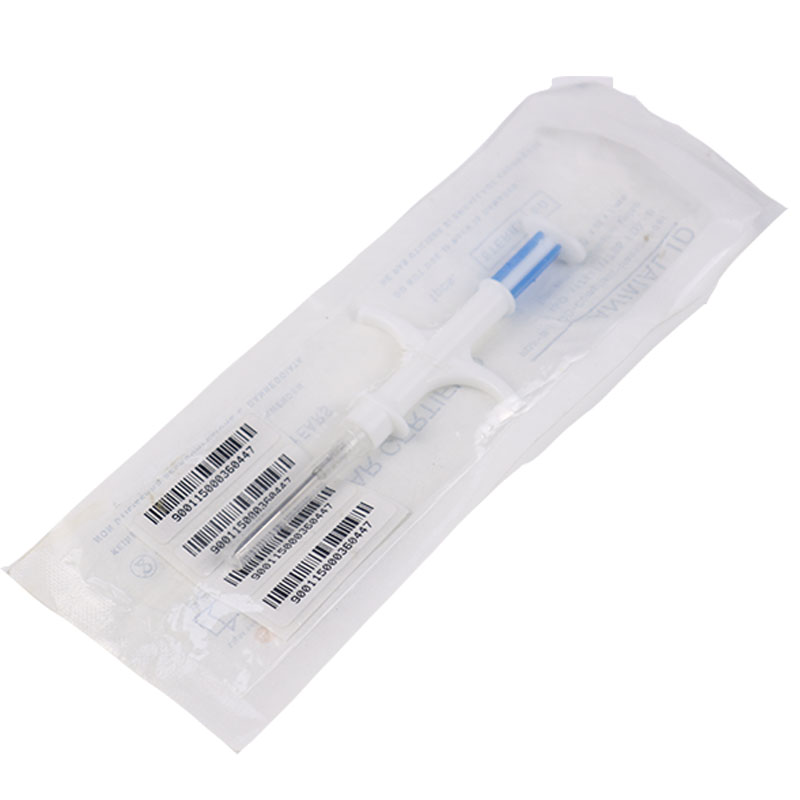


| Frequency | Standard: 134.2KHz, Optional: LF 125KHz, HF 13.56MHz/NFC |
| Material: | Bioglass with Parylene coating |
| Size | Standard: 2.12*12mm, 1.25*7mm, 1.4*8mm, Optional: 2.12*8mm, 3*15mm, 4*32mm |
| Chip | EM4305 |
| Protocol | ISO11784/11785, FDX-B, FDX-A, HDX, NFC HF ISO14443A are available for option |
| Work tem | -20 ℃~50℃ |
| Store Tem. | -40 ℃~70℃ |
| Read and write times | >100000 |
| Sryinge material | Polypropylene |
| Sryinge color | Green, White, Blue, Red for selection |
| Packing material | 1 syringe with 1 pre-loaded microchip, then packed in 1 Medical-grade sterilization pouch Microchip with needle or microchip without syringe or needle are for option too. |
| Application | animal pet Identification |

FDX-B RFID Microchip vs RFID Ear Tag
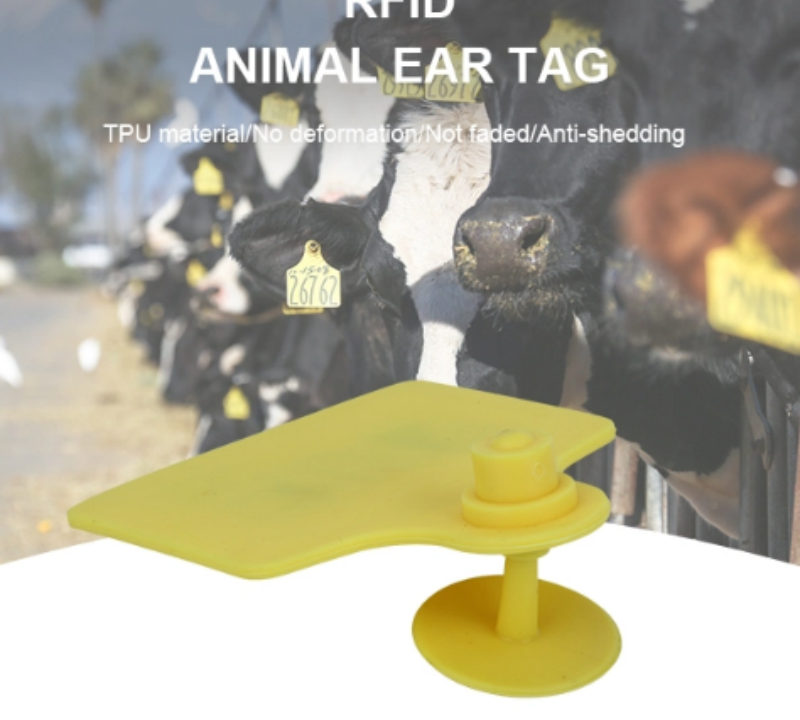
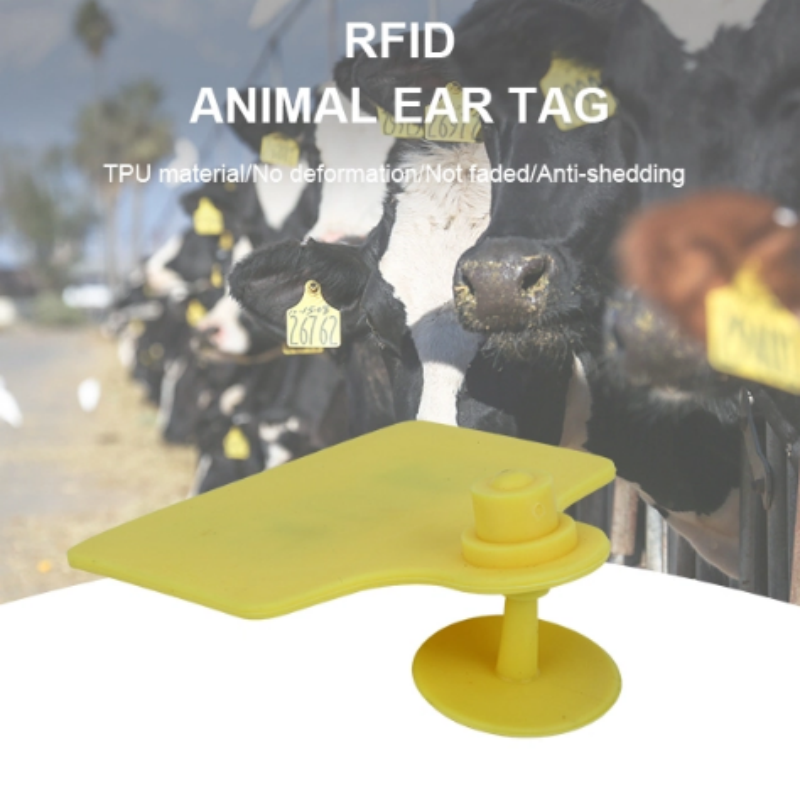
RFID ear tags are popular in livestock management because they are visible and easy to install.
However, ear tags may:
- Fall off
- Become damaged
- Be removed
Implanted FDX-B microchips provide hidden and permanent identification, making them ideal for dogs and pets.
RFID Microchip vs Traditional Collar Tag
Collar tags are convenient but depend on external accessories.
Microchips remain with the animal even if collars are lost.
FDX-B vs Other RFID Technologies
| Feature | FDX-B 134.2kHz | EM4102 125kHz | NFC 13.56MHz |
| Animal Standard | Excellent | Limited | Limited |
| Pet Identification | Excellent | Poor | Poor |
| ISO Compliance | Yes | No | No |
| Reading Distance | Medium | Short | Short |
| Global Compatibility | High | Medium | Medium |
Why Choose a Professional RFID Animal Microchip Manufacturer?
Working with an experienced RFID supplier provides:
- Stable chip supply
- Competitive factory pricing
- Strict quality inspection
- OEM packaging
- Custom programming
- Sterile product solutions
- International export experience
- Technical support
Professional manufacturers help distributors, veterinary suppliers, and animal management companies build reliable RFID identification solutions.
Conclusion
134.2kHz FDX-B RFID Animal Microchips ID Glass Tags for Dogs provide a safe, reliable, and internationally recognized solution for permanent pet identification. With ISO11784 and ISO11785 compatibility, passive RFID technology, long service life, and excellent animal safety, they have become the preferred identification method for dogs worldwide.
Compared with collars, ear tags, and traditional identification methods, FDX-B RFID microchips provide stronger traceability, lower maintenance, and better data management. For veterinary companies, pet product distributors, and animal identification suppliers, choosing a professional RFID manufacturer ensures high-quality products, customization flexibility, and dependable long-term performance.