October 21, 2026
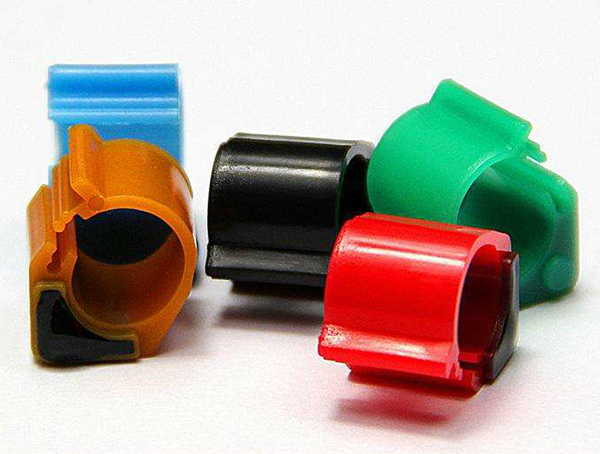
RFID pigeon leg rings provide a practical way to identify, track, and manage pigeons and other poultry with electronic identification technology. Designed as lightweight animal foot rings, these RFID tags combine a compact ABS construction with a low-frequency RFID chip to give each bird a unique digital identity.
The rings are suitable for pigeon management, poultry identification, breeding and raising, animal quarantine, epidemic prevention, and information-based tracking. Depending on the selected chip and RFID reader, the tags can support reading distances of approximately 3–20 cm.
With customizable colors, dimensions, chips, printed identification, logos, QR codes, and barcodes, these RFID pigeon leg rings can be configured for different animal management systems and identification requirements.
Quick Details
| Place of Origin | Shenzhen, China |
| Brand Name | Rice Micro |
| Material | ABS,PP |
| Color | Red, Yellow, Blue, Green etc. (Customized) |
| Size | 12*10mm(inner diameter 9mm),customized |
| Frequency | 125Khz/134.2Khz |
| Chip | EM4305, TK4100,Hitag-S256(Customized) |
| Working Temperature | -20 C~+70 |
| Reading Range | 3-20cm (Depending on Reader) |
| Feature | Waterproof, durable, artistic, fashional,non-toxic |
| Name | pigeon foot chip rings |
| Sample | Sampls Availble |
| Type | open–close |
| Storage temperature | -45 to +80°C |
| Chip | TK4100,EM4100,EM4200,EM4305,HITAG,S256 |
| Printing | Laser number, Logo Printing,Embossing number,QR Code, Barcode |
| Product name | cheap rfid pigeon ring tag |
| Application | Poultry identification,breeding,raising, Epidemic prevention and control,animal quarantine,poultry informationize management and tracking |
Key Features of RFID Pigeon Leg Rings
Suitable for different poultry applications: Pigeons, chickens, ducks, and other managed birds can use appropriately sized rings.
Low-frequency RFID technology: Available in 125 kHz and 134.2 kHz configurations.
Compact animal-friendly design: Standard size is approximately 12 × 10 mm with a 9 mm inner diameter.
Lightweight construction: Designed to minimize the physical burden on birds.
Water-resistant design: Suitable for routine poultry and outdoor animal management environments.
Multiple RFID chips: EM4305, TK4100, HITAG-S256 and other compatible chip options are available.
Custom identification: Laser numbers, logos, embossed numbers, QR codes, and barcodes can be added.
Multiple colors: Black, red, blue, green, yellow, and other customized colors.
Flexible configuration: Size, chip, color, and identification format can be customized for specific projects.
Packaging & Delivery
| Selling Units: | Single item |
| Single package size: | 10X10X5 cm |
| Single gross weight: | 0.500 kg |
Lead Time :
| Quantity(Pieces) | 1 – 100 | 101 – 1000 | 1001 – 10000 | >10000 | ||
| Est. Time(days) | 10 | 15 | 15 | To be negotiated | ||
How RFID Pigeon Leg Rings Work
An RFID pigeon leg ring stores or carries an electronic identification number that can be detected by a compatible RFID reader. When the bird passes within the reader’s effective range, the reader detects the RFID tag and transfers the identification information to the connected system.
A typical identification process includes four steps:
- Install the RFID ring on the bird’s leg.
- Assign the tag ID to the bird’s record in the management system.
- Read the RFID tag using a compatible RFID reader.
- Record the event such as feeding, breeding, weighing, quarantine, or movement.
This approach replaces or supplements manual identification methods and allows individual birds to be associated with digital records.
For larger poultry operations, RFID identification can be integrated with weighing equipment, gates, breeding records, inventory systems, or farm management software.

RFID vs. Traditional Pigeon Leg Rings
Traditional numbered leg bands remain useful for visual identification, but electronic identification provides additional possibilities for automated data collection.
| Feature | RFID Pigeon Leg Ring | Traditional Numbered Ring |
|---|---|---|
| Electronic identification | Yes | No |
| Manual reading required | Usually no | Yes |
| Automatic data collection | Supported | Not directly |
| Individual digital ID | Yes | Usually manual |
| Visual number identification | Optional | Yes |
| Integration with software | Yes | Requires manual entry |
| Suitable for automated systems | Yes | Limited |
| Custom printing | Available | Common |
| Tracking management | Digital | Manual |
RFID does not necessarily replace visual identification. For many applications, combining an RFID identifier with a visible number or color can provide a useful backup identification method.
Why Use RFID for Poultry Identification?
Poultry management often requires individual or group-level identification. Manual records can become difficult to maintain as the number of birds increases. RFID provides a way to connect a physical bird with a digital identity.
Faster Identification
A compatible RFID reader can identify a tagged bird without requiring the operator to visually locate and read a printed number.
Better Record Management
Each RFID tag can be associated with information such as bird number, breeding records, feeding history, weight, movement, or other farm-management data.
Reduced Manual Data Entry
When integrated with suitable software, RFID identification can automatically transfer tag IDs into a management system, reducing repetitive manual entry.
Suitable for Repeated Identification
Birds can be identified multiple times during their lifecycle, making RFID useful for breeding, feeding, weighing, quarantine, and other routine management procedures.

Applications of RFID Pigeon Leg Rings
These RFID animal foot rings can be used in several poultry and bird management scenarios.
Pigeon Identification
RFID pigeon rings can provide individual electronic identification for racing pigeons, breeding pigeons, homing pigeons, and managed pigeon populations.
Poultry Breeding Management
Breeders can associate individual birds with digital records, helping organize breeding groups, parent information, and production data.
Poultry Raising and Feeding
RFID identification can be combined with feeding, weighing, or monitoring systems to create more detailed records for individual birds.
Animal Quarantine
Electronic identification can help associate individual animals with quarantine and inspection records.
Epidemic Prevention and Control
During disease-control programs, RFID identification can help management systems distinguish individual tagged birds and organize relevant records.
Poultry Information Management
For farms moving from paper-based records to digital management, RFID tags provide a physical identification point that can connect birds with software records.
RFID Chip Options
Different RFID chips can be selected according to the reader system and identification requirements.
| Chip Option | Typical Consideration | Suitable Use |
|---|---|---|
| TK4100 | Simple low-frequency identification | Basic ID applications |
| EM4100 | Low-frequency RFID identification | Standard identification systems |
| EM4200 | LF RFID identification | Customized RFID projects |
| EM4305 | Configurable RFID option | More advanced identification requirements |
| HITAG-S256 | RFID option for customized systems | Projects requiring compatible chip technology |
The exact chip should be selected together with the RFID reader. A ring and reader must use compatible frequency and communication technology to achieve reliable identification.
If you already have an RFID reader, provide the reader model or chip requirements before ordering. This allows the ring configuration to be matched to the existing system.
125 kHz vs. 134.2 kHz RFID
The available product configurations include 125 kHz and 134.2 kHz. These frequencies should not be treated as interchangeable in every RFID system.
| Item | 125 kHz | 134.2 kHz |
|---|---|---|
| Frequency band | LF RFID | LF RFID |
| Common application | Animal and access identification | Animal identification and related systems |
| Reader compatibility | Requires compatible reader | Requires compatible reader |
| Typical use | Identification | Animal identification |
| Selection priority | Existing reader/chip | Existing reader/chip |
The most important factor is compatibility between the selected chip, frequency, protocol, and RFID reader. For an existing RFID installation, matching the tag to the reader is more important than selecting a frequency based only on nominal reading distance.
RFID Reading Distance
The specified reading range for this RFID pigeon leg ring is approximately 3–20 cm, depending on the reader.
Actual performance can vary because RFID reading distance is affected by several factors:
- RFID reader output and antenna design
- Tag chip type
- Antenna orientation
- Distance between the ring and reader
- Presence of metal or other electromagnetic interference
- Installation position
- Bird movement
- Environmental conditions
For this reason, the stated range should be considered a product specification rather than a guaranteed distance under every installation condition.
For automated poultry systems, testing the complete combination of ring + reader + antenna + software before mass deployment is recommended.
Open-Close RFID Ring Design
The standard product uses an open-close ring structure. This design allows the ring to be installed around the bird’s leg and closed into its operating position.
The standard inner diameter is approximately 9 mm, while customized dimensions can be discussed for different bird species and leg sizes.
Before ordering, the appropriate ring diameter should be confirmed based on the target bird and the intended installation method.
For projects involving multiple bird sizes, different ring dimensions can be configured as product variants.
Materials and Durability
The RFID pigeon leg ring is available in ABS and PP materials. These polymer materials provide a lightweight housing for the RFID component.
The product specification lists an operating temperature of approximately -20°C to +70°C and a storage temperature of approximately -45°C to +80°C.
The ring is also specified as waterproof and non-toxic. As with any animal identification component, the actual service life can depend on installation, bird activity, environmental exposure, cleaning methods, and the selected material configuration.
Custom RFID Pigeon Leg Rings
Custom identification is useful when RFID rings need to match an existing farm, breeding, racing, or traceability system.
Available customization options include:
| Custom Option | Examples |
|---|---|
| Ring Color | Black, red, blue, green, yellow |
| RFID Chip | TK4100, EM4100, EM4200, EM4305, HITAG-S256 |
| Ring Size | Standard or customized |
| Numbering | Laser serial number |
| Logo | Company or organization logo |
| Embossing | Raised identification numbers |
| QR Code | Custom QR identification |
| Barcode | Custom barcode |
| Packaging | Project-specific packaging requirements |
Customized rings can help combine electronic identification with visual identification, making it easier for staff to distinguish birds or groups when necessary.
RFID Ring and QR Code Identification
RFID and printed identification can be used together.
RFID provides electronic identification for compatible readers, while a printed serial number, QR code, or barcode can provide a visible or optical backup.
For example, a ring may contain an RFID chip with an electronic ID while the outside carries a matching printed number. The farm management database can then connect both identifiers to the same bird record.
This dual-identification approach can be useful when both automated and manual identification methods are required.
Pigeon Racing and Bird Management
RFID technology can be incorporated into pigeon racing and bird-management workflows where electronic identification is required.
A tagged pigeon can be assigned a unique identifier before entering a management or timing system. When the pigeon passes a compatible RFID reader, the system can capture the tag ID and associate it with the relevant record.
The RFID ring itself does not determine the functions of a racing system. The complete system depends on the RFID reader, antenna, software, timing equipment, and identification protocol used by the operator.
For racing applications, buyers should confirm reader and system compatibility before selecting the RFID chip.
Choosing the Right RFID Pigeon Leg Ring
The correct RFID ring depends on the application rather than size alone.
Consider these five points before placing an order:
1. Bird size: Confirm the required inner diameter.
2. Existing reader: Check the reader frequency and supported chip type.
3. Reading distance: Determine how far the bird needs to be from the antenna during identification.
4. Identification method: Decide whether RFID alone is sufficient or whether a printed number, QR code, or barcode is also required.
5. Customization: Confirm colors, logo, serial numbering, packaging, and other requirements.
For a new RFID system, it is recommended to test samples with the intended reader before purchasing in volume.
RFID Pigeon Ring vs. Other RFID Animal Tags
Different animal RFID tags are designed for different installation locations and animal sizes.
| Tag Type | Installation | Typical Advantage | Consideration |
|---|---|---|---|
| RFID Pigeon Leg Ring | Bird leg | Compact and visible | Must match leg diameter |
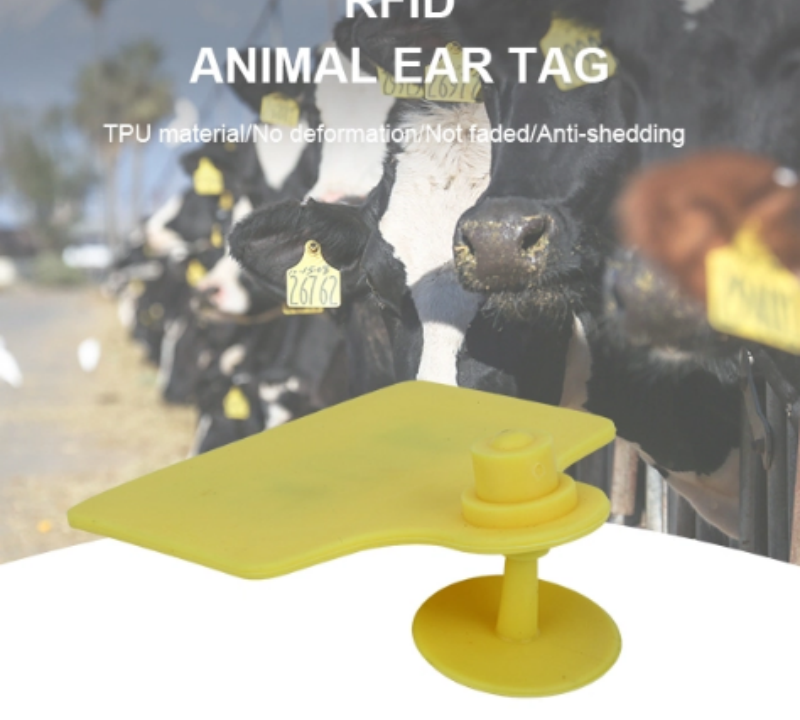
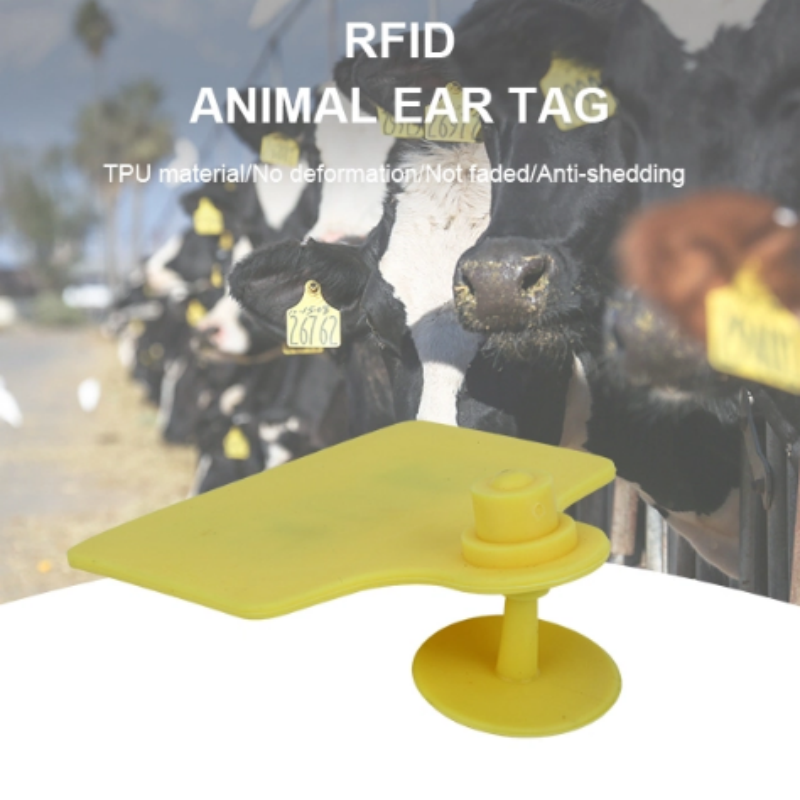
| RFID Ear Tag | Animal ear | Suitable for larger livestock | Not designed for small birds |
| RFID Collar Tag | Neck/collar | Easy to replace | Larger and more visible |
| RFID Implant | Under skin | Hidden identification | Requires appropriate professional procedures |
| RFID Foot Tag | Bird/poultry leg | Direct bird identification | Size must be suitable |
For pigeons and small poultry, a leg ring provides a direct identification method without requiring a larger external tag.
Ordering and Customization Process
For a customized RFID pigeon leg ring project, the ordering process can be kept straightforward.
Step 1: Confirm the Application
Tell us whether the rings are intended for pigeons, chickens, ducks, breeding birds, racing birds, or another poultry application.
Step 2: Confirm Ring Size
Provide the required inner diameter or bird information so the appropriate ring size can be selected.
Step 3: Select RFID Technology
Confirm the required frequency and chip type based on your existing RFID reader or management system.
Step 4: Confirm Printing
Choose whether you need serial numbers, logos, QR codes, barcodes, or embossed information.
Step 5: Test Samples
Samples are available for testing. Sample testing is recommended when integrating the RFID ring with a new reader or automated identification system.
Step 6: Confirm Mass Production
After the sample configuration is approved, production quantity, colors, packaging, and delivery requirements can be finalized.
Frequently Asked Questions
What is an RFID pigeon leg ring?
An RFID pigeon leg ring is a small electronic animal identification tag designed to be worn on a bird’s leg. It contains an RFID chip that can be detected by a compatible RFID reader.
What frequency do these RFID pigeon rings use?
The available configurations include 125 kHz and 134.2 kHz. The appropriate option depends on the RFID reader and chip configuration.
What is the reading distance?
The specified reading range is approximately 3–20 cm, depending on the reader. Actual results depend on the complete RFID system and operating environment.
Can the RFID pigeon ring be customized?
Yes. Customization options include ring size, color, RFID chip, laser numbering, logo printing, embossed numbers, QR codes, and barcodes.
What materials are available?
The product specification lists ABS and PP as available materials.
Can I order samples?
Yes. Samples are available for testing before a larger order.
Can I use these rings for chickens or ducks?
The product is designed for poultry identification and can be customized for different animal applications. The ring diameter should be selected according to the leg size of the target bird.
Do I need a special RFID reader?
Yes. The RFID reader must be compatible with the selected frequency and chip type. A 125 kHz or 134.2 kHz ring should be matched with a compatible LF RFID reader.
Can the ring include a visible identification number?
Yes. Laser numbers and embossed numbers are among the listed customization options. QR codes, barcodes, and logo printing can also be customized.
How should I choose the ring size?
The standard specification is approximately 12 × 10 mm with a 9 mm inner diameter. If the standard size is not suitable, customized dimensions can be discussed.
Get a Customized RFID Pigeon Leg Ring
Whether you need RFID pigeon rings for a small breeding project or a larger poultry identification system, the key is to match the ring configuration with the birds, RFID reader, and management workflow.
Send us your bird type, required quantity, ring size, RFID reader model, frequency, chip requirement, and customization details. We can then help confirm a suitable RFID pigeon leg ring configuration and provide samples for compatibility testing.
A properly matched RFID tag and reader can provide a practical foundation for digital poultry identification, breeding management, animal tracking, and information-based farm management.