October 21, 2026
RFID (Radio Frequency Identification) asset tracking is a transformative technology that uses electromagnetic fields to automatically identify and track tags attached to objects. It has become integral to industries like logistics, retail, healthcare, and manufacturing—where improving operational efficiency, reducing human error, and boosting asset security are critical goals.
The benefits of RFID asset tracking are far-reaching. It increases accuracy by eliminating manual data entry mistakes, which plague traditional inventory systems. Real-time tracking provides instant visibility into an asset’s location and status, enabling businesses to respond quickly to delays or discrepancies. Cost efficiency follows: automation reduces reliance on manual labor, cutting long-term operational costs. Enhanced security is another key advantage—RFID helps prevent theft and unauthorized access to high-value assets, from warehouse inventory to medical equipment. Finally, streamlined workflows improve productivity, allowing teams to focus on strategic tasks instead of time-consuming tracking.
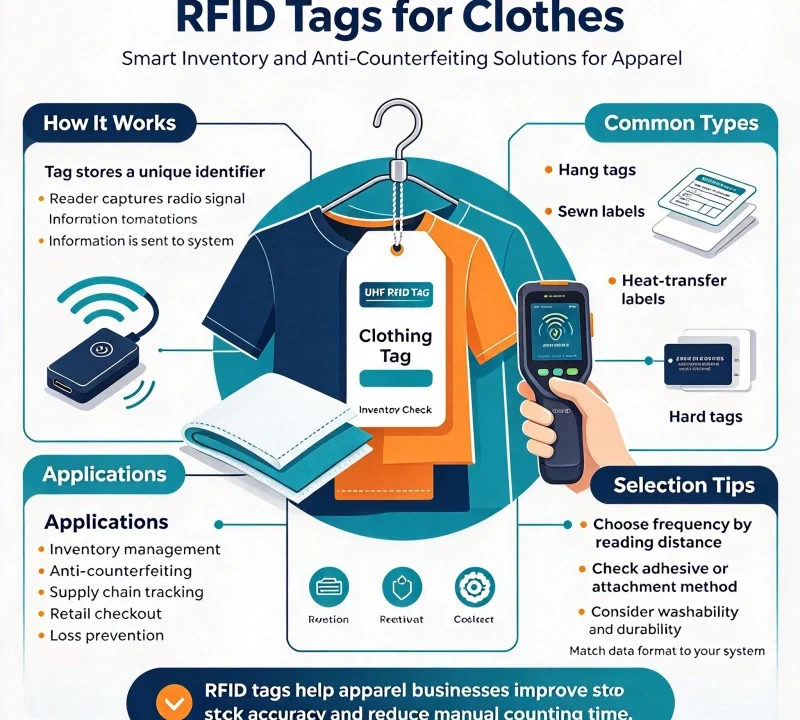
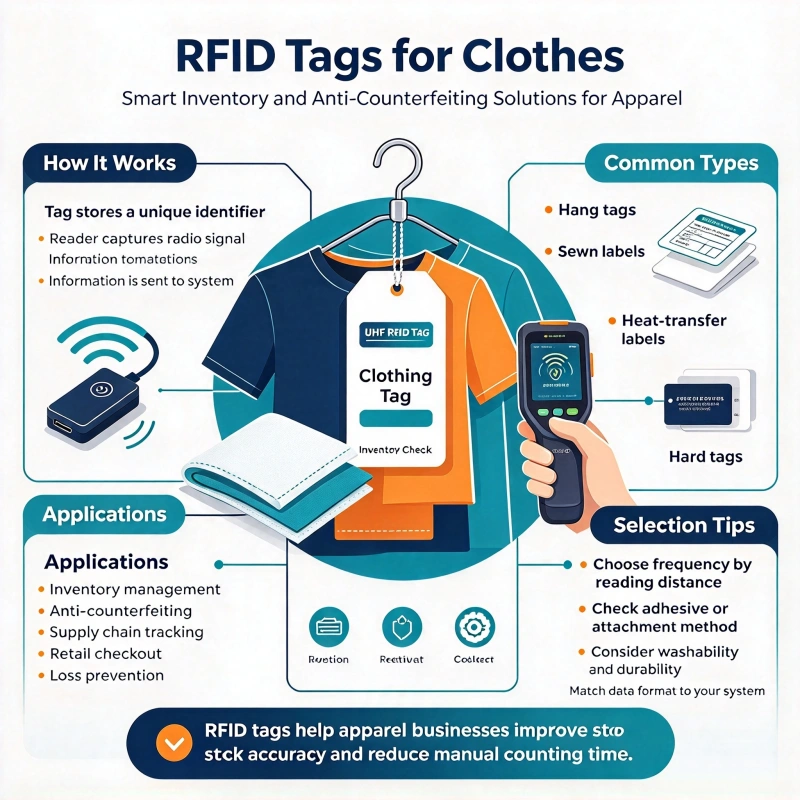
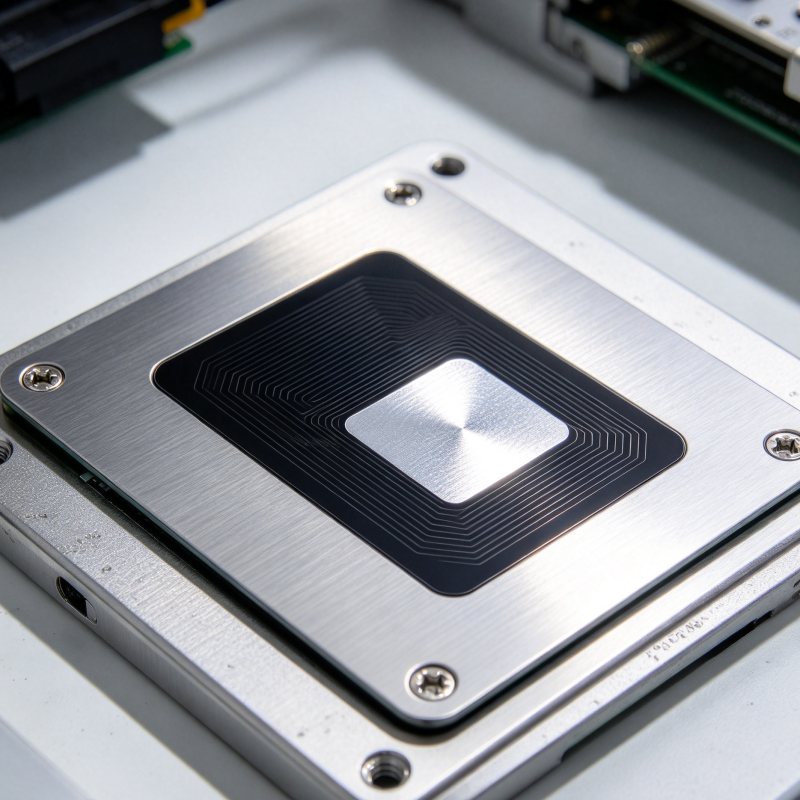
At its core, RFID asset tracking relies on three components: tags, readers, and software. RFID tags, attached to assets, store unique identification data. Readers—either fixed (for stationary use like warehouses) or mobile (for on-the-go tracking in transit)—capture data from tags using radio waves. The software then processes this data, turning raw information into actionable insights that help businesses optimize their processes.
Its applications span nearly every industry. In warehouse management, real-time inventory tracking reduces stock discrepancies and improves order fulfillment. For asset management, it simplifies locating equipment across multiple sites. Supply chain management uses RFID to monitor goods from production to delivery, ensuring transparency and reducing delays. Healthcare relies on it to track medical devices, pharmaceuticals, and patient flow, enhancing care quality. Retail benefits from better stock level management, reduced shoplifting, and faster checkout experiences.
Tailored solutions are available to meet specific needs. Fixed readers are ideal for static environments like warehouses, while mobile readers support transit or field operations. Our RFID tag options are diverse—from rugged industrial labels to flexible RFID silicone wristbands designed for events, healthcare, or hospitality. These tags are built to withstand harsh conditions, ensuring long-term reliability. For example, our RFID silicone wristbands are a popular choice for event organizers (to manage access) and hospitals (to track patients), combining durability with ease of use. Complementing hardware is comprehensive software that centralizes data, providing dashboards and analytics to drive informed decisions.
Choosing the right partner is crucial. A reliable provider offers customization to align solutions with your unique goals, not a one-size-fits-all approach. Reliability is non-negotiable—durable products mean less downtime and consistent tracking. Comprehensive support ensures your system runs smoothly, from installation to troubleshooting. Experience matters too: years of industry expertise mean understanding your challenges and delivering proven solutions.
For businesses ready to leverage RFID asset tracking to transform their operations—whether optimizing warehouse workflows, securing assets, or improving supply chain visibility—reaching out is the first step. The technology’s ability to merge accuracy, real-time data, and cost savings makes it a game-changer for modern businesses.
For more information on our RFID asset tracking solutions, contact us at [email protected] or call +1 (800) 123-4567.

Au is an RFID and NFC manufacturer based in Shenzhen, China, with over 10 years of experience.