
Introduction: The Game-Changer in Animal Health Monitoring
The growing demand for proactive, data-driven animal health care has highlighted gaps in traditional tracking methods—including paper records and manual identification—that often lead to delayed care, data errors, and missed wellness opportunities. RFID animal health monitoring tags address these pain points by enabling seamless, accurate, and long-term health tracking for pets and livestock, benefiting owners, veterinarians, and farmers alike.
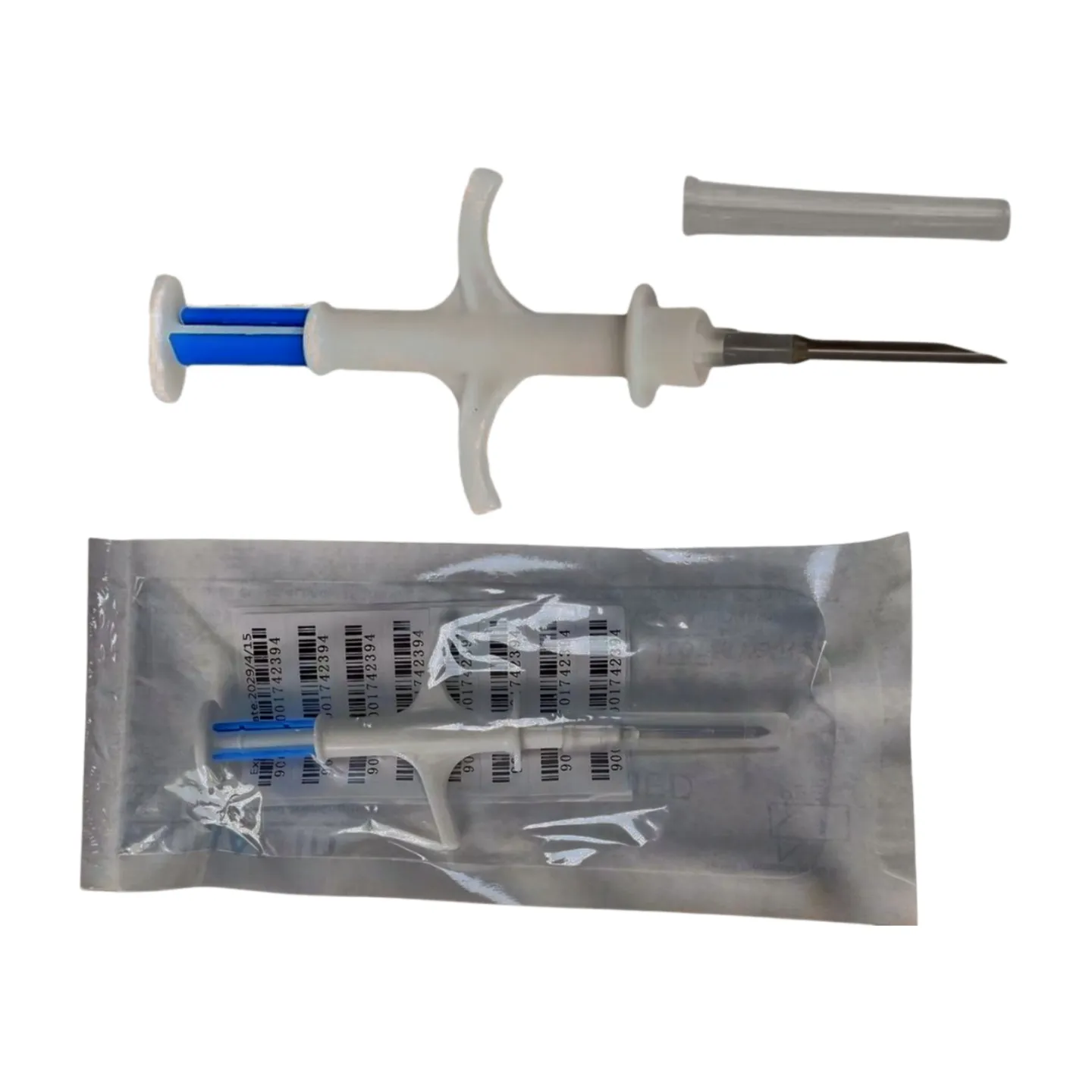
Meet the Ideal RFID Tag for Animal Health Monitoring: 134.2 kHz Bioglass Microchip
Core Specifications Tailored for Long-Term Health Tracking
- Frequency: 134.2 kHz (optimized for animal tissue penetration)
- Material: Bioglass (biocompatible, non-toxic implant)
- Size: 1.4×8.5mm (minimally invasive implantation)
- Standards: ISO 11784/11785 compliant (global interoperability)
- Chip: EM4305 (highly reliable passive RFID chip)
Feature-to-Benefit Mapping for Health Monitoring
– Passive RFID technology: Battery-free, maintenance-free for lifelong use
– Unique UID identification: Eliminates confusion, ensures accurate health record linking
– ISO compliance: Works with all standard vet clinic and farm scanning systems
Key Application Scenarios: RFID Tags in Action for Animal Health & Wellness
Pet Health: Long-Term Wellness Tracking & Emergency Care
– Linking microchip UID to digital health records (vaccinations, allergies, chronic conditions)
– Emergency access to critical health info for shelters or vets if pets are lost
– Proactive wellness reminders for pet owners (e.g., annual check-ups, medication schedules)
Veterinary Clinics: Streamlining Patient Care & Data Management
– Fast check-in: Instant retrieval of patient health records via contactless scanning
– Reduced treatment errors: Accurate ID ensures correct medication dosages and treatment plans
– Post-care follow-up: Automated alerts for pet owners based on microchip-linked health data
Livestock Health: Proactive Disease Monitoring & Herd Management
– Tracking individual animal health metrics (weight gain, milk production, vaccination status)
– Early detection of contagious diseases (flagging animals with abnormal behavior/metrics)
– Quarantine and targeted treatment: Minimizing outbreak spread in large herds
Real-World Use Cases: Transforming Animal Health with RFID Monitoring Tags
Case Study: Urban Veterinary Clinic Cuts Diagnosis Time by 30%
Challenge: Manual record retrieval caused delays in urgent care.
Solution: Implanting 134.2 kHz bioglass microchips for all patients.
Outcome: Faster access to health data, improved patient outcomes, and higher client satisfaction.
Case Study: Livestock Ranch Reduces Disease Mortality by 25%
Challenge: Slow detection of foot-and-mouth disease in cattle herds.
Solution: RFID microchips linked to herd management software for daily health checks.
Outcome: Early isolation of infected animals, reduced spread, and lower economic losses.
Why Bioglass RFID Microchips Are the Gold Standard for Health Monitoring
Biocompatibility: Safe for Lifelong Implantation
Non-reactive bioglass material avoids tissue irritation or adverse reactions, making it ideal for long-term health tracking in pets and livestock of all sizes.
Interoperability: Seamless Integration Across Global Health Systems
ISO 11784/11785 compliance ensures compatibility with scanners in vets, shelters, and international livestock markets, with no need for proprietary software.
Reliability: Consistent Performance in Diverse Environments
Passive RFID technology functions without batteries, even in harsh livestock conditions, and unique UID guarantees 100% accurate identification, eliminating data mix-ups.
Best Practices for Implementing RFID Animal Health Monitoring Tags
Proper Implantation Techniques for Optimal Performance
Working with certified vets or livestock technicians for correct placement, ensuring the microchip is implanted in a standard location (e.g., between pet shoulder blades) for easy scanning.
Integrating RFID Data with Health Management Software
Choosing software that syncs with ISO-compliant scanners to store and analyze health data, training staff to use RFID tools effectively for daily health monitoring tasks.
Data Privacy & Security for Animal Health Records
Encrypting linked health data to protect sensitive information about pets and livestock, limiting access to authorized personnel only (vets, farm managers, pet owners).
Conclusion: The Future of Animal Health Care is RFID-Enabled
RFID animal health monitoring tags revolutionize proactive care by improving welfare, streamlining operations, and enabling data-driven decisions. Adopting 134.2 kHz bioglass microchips is a critical step toward modernizing animal health management. Emerging trends, such as integrating with IoT sensors for real-time vitals, promise even greater advancements in the field.