
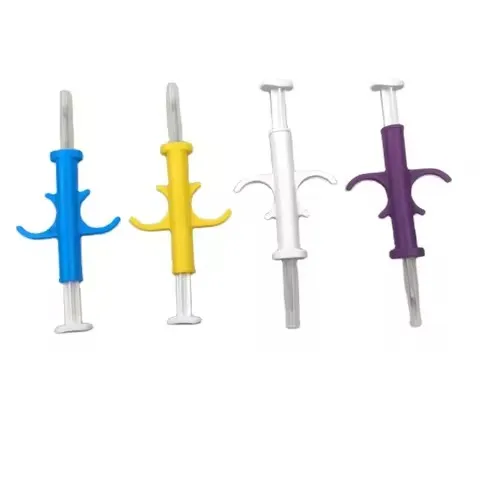
Introduction: Why RFID Tags Are a Game-Changer for Proactive Animal Health Monitoring
Modern animal health care faces gaps in manual tracking and paper-based records, which delay critical interventions. RFID animal health monitoring microchips transform reactive care into proactive management by enabling continuous, reliable health tracking across pet and livestock settings.
The Foundation: A Reliable RFID Animal Microchip Solution for Health Use Cases
Core Specs Tailored for Long-Term Animal Health Monitoring
134.2 kHz Frequency: Optimized for deep tissue penetration, ensuring consistent readability across species and body types.
Bioglass Material: Biocompatible, non-toxic, and degradation-resistant, supporting lifelong implantation without adverse effects.
EM4305 Chip & ISO 11784/11785 Compliance: Interoperable with global veterinary and agricultural systems for seamless health data access.
Key Features Driving Health-Centric Applications
Passive RFID Technology: Battery-free operation eliminates maintenance, enabling uninterrupted tracking for years.
Unique UID: Each microchip assigns a distinct identifier to individual animals, preventing mix-ups in health record linkage.
Real-World Applications: How RFID Health Monitoring Tags Enhance Animal Care
Pet Health & Safety: From Emergency Reunions to Proactive Wellness
Emergency Preparedness: Instant access to critical health records (allergies, chronic conditions, medications) reduces treatment delays.
Preventive Care Tracking: Automates vaccination and wellness reminders to ensure timely, necessary care.
Lost Pet Recovery: Enables rescuers to identify owners quickly while alerting them to urgent health needs of found pets.
Veterinary Clinic Management: Optimizing Patient Care Workflows
Reduced Medical Errors: Automated patient identification minimizes mistakes in treatment and medication administration.
Post-Surgery & Chronic Care: Tracks recovery progress and chronic condition metrics via linked digital records for targeted interventions.
Efficient Inventory & Records: Streamlines vaccine inventory management and real-time updates to pet health histories, cutting administrative burden.
Livestock Health Monitoring: Safeguarding Herds & Preventing Disease Outbreaks
Early Disease Detection: Links health data trends to identify sick animals early, enabling isolation and treatment before herd spread.
Targeted Care: Tracks vaccination status, reproductive health, and weight gain to optimize resource allocation for individual livestock.
Regulatory Compliance: Facilitates traceability and meets agricultural health regulations, reducing risks during outbreaks.
Tangible Benefits of RFID Animal Health Monitoring Tags for Stakeholders
- Pet Owners: Gain peace of mind through improved health outcomes and reliable lost-pet recovery.
- Veterinarians: Streamline operations, reduce administrative tasks, and deliver more accurate patient care.
- Livestock Farmers: Lower herd loss rates, optimize resource use, and enhance food safety compliance.
Conclusion: The Future of Animal Health Care with RFID Monitoring Technology
RFID animal health monitoring microchips have transformed reactive animal care into proactive, data-informed management. Future advancements will integrate these microchips with IoT sensors to enable real-time tracking of metrics like body temperature and activity levels, further enhancing care precision. These microchips are an indispensable tool for modern animal health care, supporting better outcomes for pets, livestock, and their caregivers.