
Product Overview
What Is Our Animal RFID Microchip?
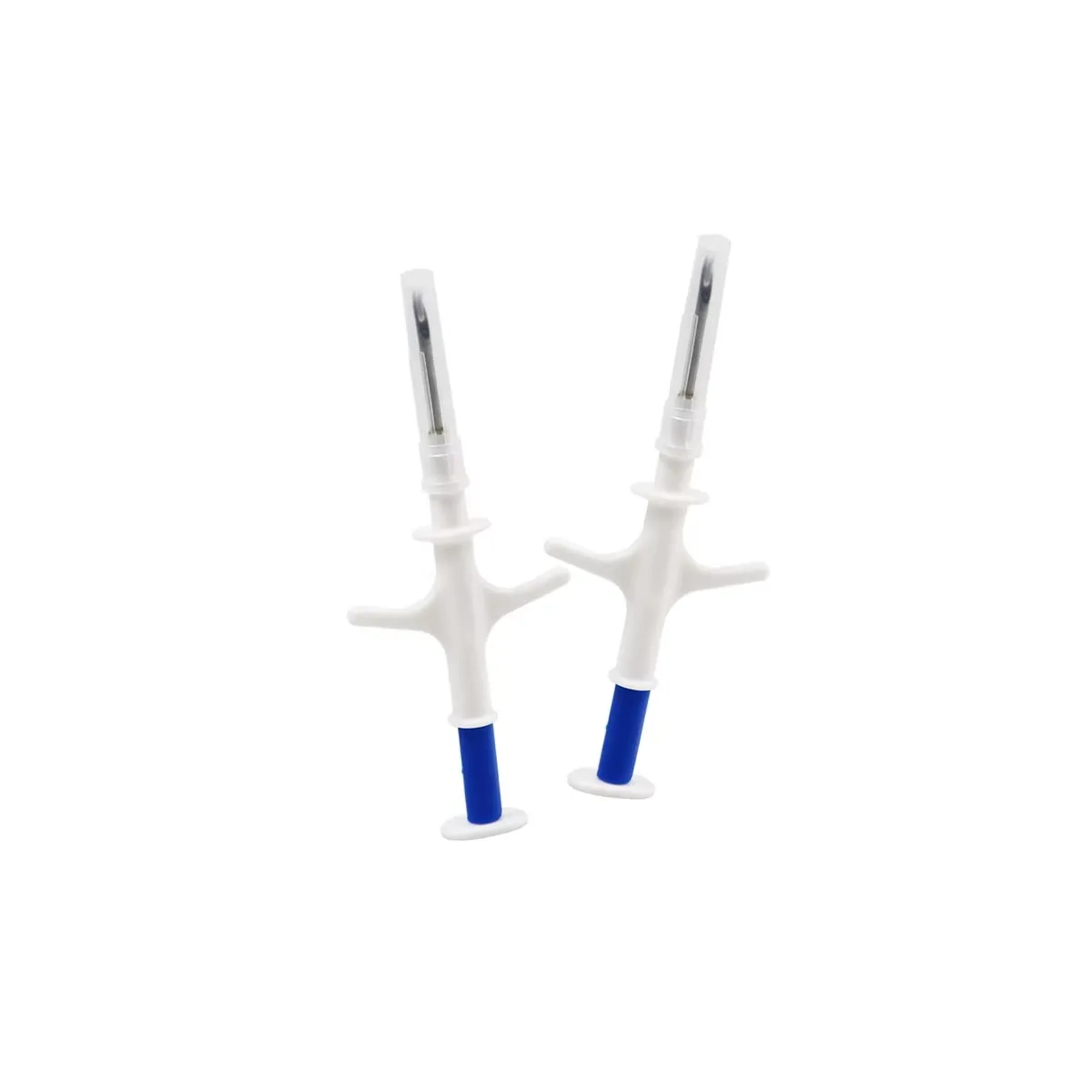
Our 134.2 kHz Animal RFID Microchip is a passive, biocompatible RFID device designed for reliable animal identification, serving as the foundational component for integrated RFID temperature monitoring systems.
It solves key pain points: eliminating manual animal tracking errors, enabling seamless linkage of temperature sensor data to individual animals, and ensuring compliance with global animal identification standards.
Target users include veterinary clinics, livestock farms, pet shelters, animal welfare organizations, and pet owners seeking enhanced animal health monitoring.
Key Features
Identification & Monitoring-Enabling Capabilities
Passive RFID Technology: No internal battery; powered by RFID readers for long-term, maintenance-free operation critical for sustained temperature monitoring integration.
Unique UID Identification: Globally unique serial number links temperature sensor data to specific animals with 100% accuracy.
ISO 11784/11785 (FDX-B) Compliance: Ensures compatibility with industry-standard RFID readers and temperature monitoring platforms.
Biocompatible Design
Bioglass Material: Non-toxic, hypoallergenic, and fully implantable for safe long-term use in pets and livestock.
Miniature Size: 1.4×8.5mm dimensions minimize discomfort during implantation, suitable for small to large animals.
How It Works (With Temperature Monitoring Integration)
Core Identification Functionality
Passive RFID operation: When scanned by an RFID reader, the microchip transmits its unique UID via 134.2 kHz frequency.
FDX-B Technology: Full-duplex communication standard enables fast, reliable data transfer between microchip and reader.
Integration with RFID Temperature Monitoring Systems
Step-by-step process: Pair the microchip’s unique UID with wearable or implantable RFID temperature sensors.
Real-time data synchronization: Reader captures both animal ID and temperature data, sending it to a centralized platform for health monitoring and alerts.
Applications
Primary Use Cases
Pet Identification & Health Monitoring: Link temperature data to individual pets for early detection of fever or illness.
Veterinary Clinic Management: Streamline patient records by associating temperature readings with microchip IDs.
Livestock Tracking & Herd Health Monitoring: Monitor group and individual livestock temperatures to identify disease outbreaks quickly.
Extended Temperature Monitoring Scenarios
Post-surgery Recovery: Track core body temperature alongside ID to ensure pets/livestock heal properly.
Seasonal Health Checks: Identify animals with abnormal temperatures during extreme weather conditions.
Technical Specifications
| Parameter | Details |
|---|---|
| Frequency | 134.2 kHz |
| Chip Model | EM4305 |
| Material | Bioglass |
| Size | 1.4×8.5mm |
| Compliance | ISO 11784/11785 (FDX-B) |
| Operation Mode | Passive (battery-free) |
| Data Storage | Unique 64-bit UID |
Benefits for Users
For Veterinary Professionals
Reduce administrative errors by automating animal ID and temperature data linkage.
Improve diagnostic accuracy by accessing historical temperature data tied to specific animals.
Enhance client trust by providing transparent, data-driven health reports.
For Livestock Farmers
Enable proactive herd health management by detecting temperature anomalies early.
Streamline compliance with animal traceability regulations.
Reduce labor costs associated with manual temperature checks and animal identification.
For Pet Owners
Gain peace of mind with the ability to track their pet’s ID and associated temperature data via compatible vet systems.
Ensure lost pets can be identified quickly while maintaining access to their health monitoring history.
Industry Use Cases
Livestock Farm Disease Prevention
A 500-head cattle farm used our microchips paired with RFID ear tag temperature sensors to monitor herd health, reducing disease spread by 30% through early detection of feverish animals.
Veterinary Clinic Post-Op Monitoring
A 24-hour emergency vet clinic integrated microchip IDs with implantable temperature sensors to track post-surgery patients, cutting recovery monitoring time by 40%.
Pet Shelter Adoption Tracking
A municipal pet shelter used microchips to link temperature data to adoptable pets, providing potential owners with complete health profiles and increasing adoption rates by 15%.
How to Get Started
Implantation & Setup
Professional implantation by licensed vets or trained livestock handlers is recommended.
Compatible with leading RFID readers and temperature monitoring platforms (list available upon request).
Request a Sample or Quote
Fill out our form to receive a free product sample or customized pricing for your organization.
FAQ
Can this microchip directly measure temperature?
No. The microchip provides unique animal ID; pair it with RFID temperature sensors to capture and link temperature data to individual animals.
Is the microchip compatible with all temperature monitoring systems?
Yes. It complies with ISO 11784/11785 standards, ensuring compatibility with most industry-leading RFID temperature monitoring platforms.
How long does the microchip last?
The bioglass casing and passive design ensure permanent, maintenance-free operation for the lifetime of the animal.