
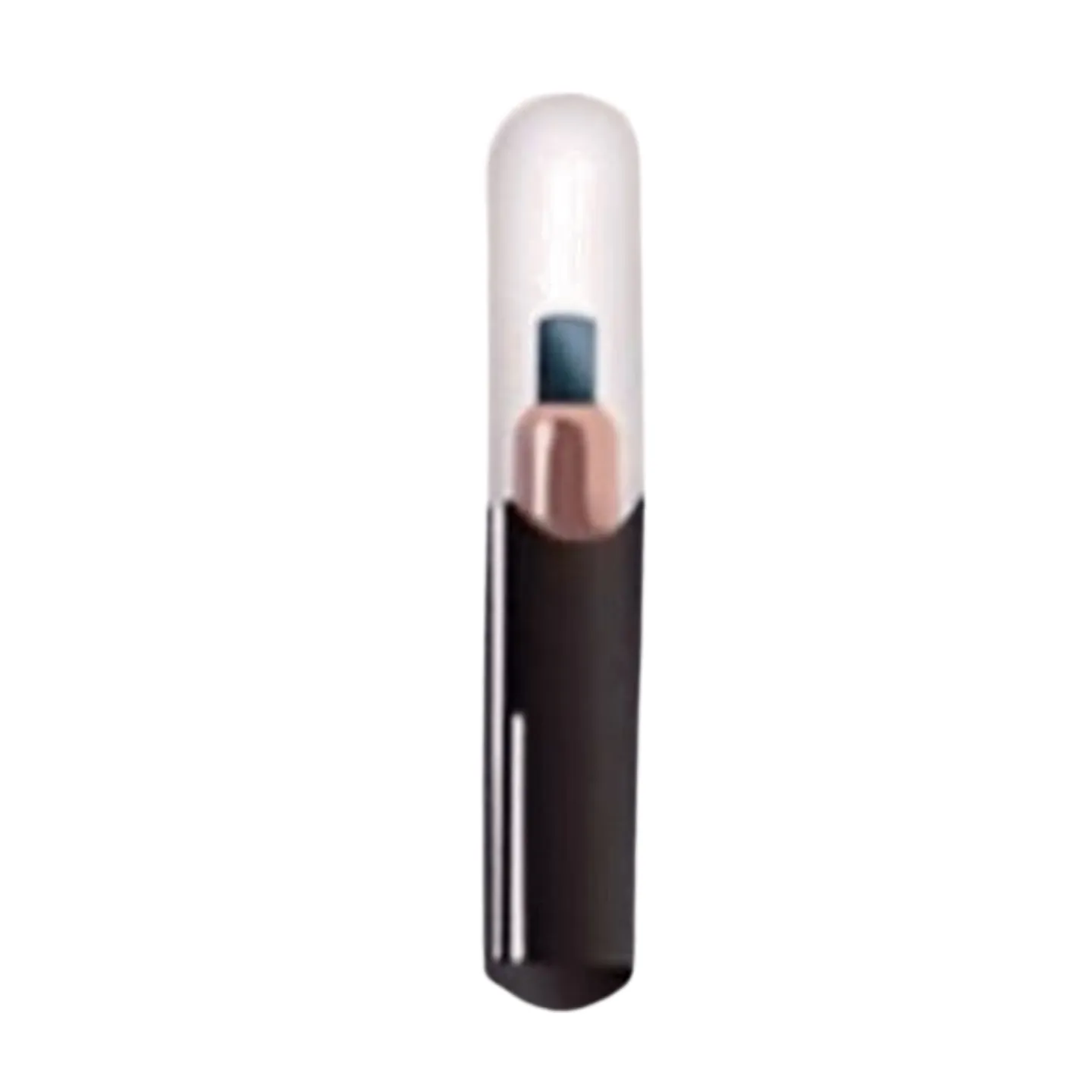
Professional Animal RFID Microchip with Integrated Temperature Monitoring
Product Overview
The Ultimate Solution for Animal Traceability and Health
Our product line represents the pinnacle of implantable RFID technology for animal management. From providing a unique, permanent identification number to enabling advanced physiological monitoring, these microchips deliver critical data for traceability and proactive health care. Engineered for global use, their compliance with international standards guarantees reliable performance anywhere.
Key Features & Benefits
Dual-Functionality in a Single Device
This microchip combines two essential capabilities. Its Unique Identification (UID) provides a tamper-proof, lifelong identity crucial for registration, recovery, and traceability programs. The integrated temperature sensor allows for immediate health checks, enabling the early detection of fever or illness without causing stress to the animal.
Built for Safety and Durability
Constructed with a biocompatible bioglass capsule, the microchip is designed for safe, hypoallergenic, and permanent implantation. Its ultra-compact form factor, measuring just 1.4mm in diameter and 8.5mm in length, minimizes implantation discomfort and is suitable for a vast range of animal species.
Global Interoperability
Full compliance with the ISO 11784 and ISO 11785 FDX-B standards ensures that these microchips can be read by any compatible scanner worldwide. This interoperability is essential for international travel, trade compliance, and future-proofing your identification system.
How It Works: Technology Explained
Passive RFID & FDX-B Communication
The microchip operates as a passive RFID device at the standard animal identification frequency of 134.2 kHz. It is powered entirely by the electromagnetic field generated by a compatible reader. Utilizing the FDX-B (Full Duplex) communication protocol, it continuously transmits data back to the reader while within its field.
From Implantation to Data Readout
The process is straightforward and efficient. A veterinary professional implants the microchip subcutaneously. When a standard ISO reader is brought near, it energizes the chip. The chip instantly responds by transmitting its unique identification code and, for sensor-enabled models, the current temperature reading.
Primary Applications
Livestock Management & Disease Control
Monitor herd health, manage breeding programs, and maintain detailed records for individual animals. The temperature data is invaluable for early outbreak detection and ensuring compliance with stringent food safety and traceability regulations.
Advanced Veterinary & Pet Care
Offer premium identification services for pets with an added layer of health monitoring. This technology is particularly beneficial for post-operative care, monitoring geriatric patients, and enhancing the diagnostic toolkit of a modern veterinary practice.
Research & Conservation
Enable detailed physiological studies in laboratory settings by monitoring core temperature remotely. In wildlife conservation, these chips provide a reliable method for identifying and monitoring the health of individual animals in managed programs.
Detailed Technical Specifications
| Parameter | Specification |
|---|---|
| Product Variants | Animal RFID Microchip / Temperature RFID Microchip |
| Integrated Circuit | EM4305 / Custom Sensor Chip |
| Operating Frequency | 134.2 kHz |
| Communication Standard | ISO 11784/11785 FDX-B |
| Power Source | Passive (Induced by Reader) |
| Encapsulation Material | Biocompatible Bioglass |
| Dimensions (Diameter x Length) | 1.4 mm x 8.5 mm |
| Output Data | Unique ID (UID) / UID + Temperature |
Benefits for Your Business or Practice
For veterinarians, this technology elevates service offerings, accelerates diagnostic workflows, and builds client trust through advanced care. Livestock producers gain a tool to reduce economic losses by identifying sick animals earlier, optimizing breeding stock, and automating record-keeping. Animal shelters and breeders ensure flawless, permanent identification, streamline operations, and demonstrate a commitment to the highest welfare standards.
FAQ: RFID Temperature Sensor Microchips
What is an RFID temperature sensor microchip?
An RFID temperature sensor microchip is a passive RFID device that transmits both a unique identification code and precise temperature data when activated by a compatible reader.
How does the temperature sensing work?
The microchip contains a miniaturized sensor integrated with its RFID circuitry. When powered by a reader’s signal, it measures the local tissue temperature and transmits this value along with its identification code.
Are these chips globally recognized?
Yes. Compliance with the ISO 11784/11785 FDX-B standards ensures they are readable by compliant scanners globally, which is mandatory for international animal movement and trade.
Is implantation safe for the animal?
Yes. The bioglass encapsulation is bio-inert, meaning it is designed to be safely tolerated by the animal’s body for its lifetime, significantly reducing the risk of adverse tissue reaction or implant migration.