
ISO 11784 Microchip: A Complete Guide to Compliant Animal Identification
What Is an ISO 11784 Microchip?
An ISO 11784 microchip is an injectable RFID identification tag designed to meet global standards for animal traceability. The standard regulates the data structure stored on each chip, while the paired ISO 11785 standard defines technical communication parameters for consistent scanner compatibility.
Understanding the ISO 11784/11785 Standards
ISO 11784 specifies the unique 15-digit identification code format assigned to each chip, including a country code and manufacturer identifier. ISO 11785 sets rules for radio frequency operation and communication protocols to ensure chips can be read by any compliant scanner globally.
Why ISO 11784 Compliance Matters for Animal ID
Compliance with ISO 11784 eliminates gaps in traceability when animals cross regional or national borders. It also ensures that lost pets or registered livestock can be identified by any authorized scanner, reducing barriers to reunification or regulatory compliance checks.
Core Technical Specifications of ISO 11784 Microchips
All ISO 11784 compliant microchips are built to standardized technical parameters to deliver consistent performance across use cases.
Frequency & Communication Protocols
These microchips operate at a universal 134.2 kHz frequency, supporting three primary communication protocols. FDX-A and FDX-B are full-duplex protocols most commonly used for pet identification, while HDX half-duplex protocol is optimized for long range reading in livestock management applications.
Chip Models & Biocompatible Materials
Available chip models include EM4305, EM4100, ID, and UHF variants to suit different data storage and reading range requirements. All chips are encased in medical grade bioglass, a non-toxic, anti-migration material approved for long term implantation in animal tissue.
Protocol-Specific Size Variants
Size options vary by protocol to match animal size and use case. FDX-A chips range from 1.4x8mm for small pets to 4x34mm for large livestock. HDX chips are available in sizes from 2x12mm to 4x34mm for different livestock management needs.
Lifespan & Reliability
Each ISO 11784 microchip has an average lifespan of 10 or more years, with no battery required for operation. The sealed bioglass casing protects the internal chip from damage, ensuring consistent performance for the full duration of the animal’s life in most cases.
Key Benefits of ISO 11784 Compliant Microchips
Choosing an ISO 11784 compliant microchip delivers measurable advantages over non-standard alternatives for all user groups.
Global Cross-Reader Compatibility
Standardized frequency and protocol support ensure chips can be read by any ISO 11784/11785 compliant scanner anywhere in the world, eliminating compatibility issues for animals that travel or move between regions.
ICAR Certification for International Recognition
All chips carry ICAR certification, a globally recognized standard for animal identification issued by the International Committee for Animal Recording. This certification is accepted by international animal welfare bodies, border control agencies, and livestock regulatory authorities.
Long-Term Safety & Durability
The medical grade bioglass casing is biocompatible, preventing tissue rejection or migration after implantation. The sealed design is resistant to corrosion and damage, eliminating the need for replacement over the animal’s lifetime.
Easy, Non-Invasive Implantation
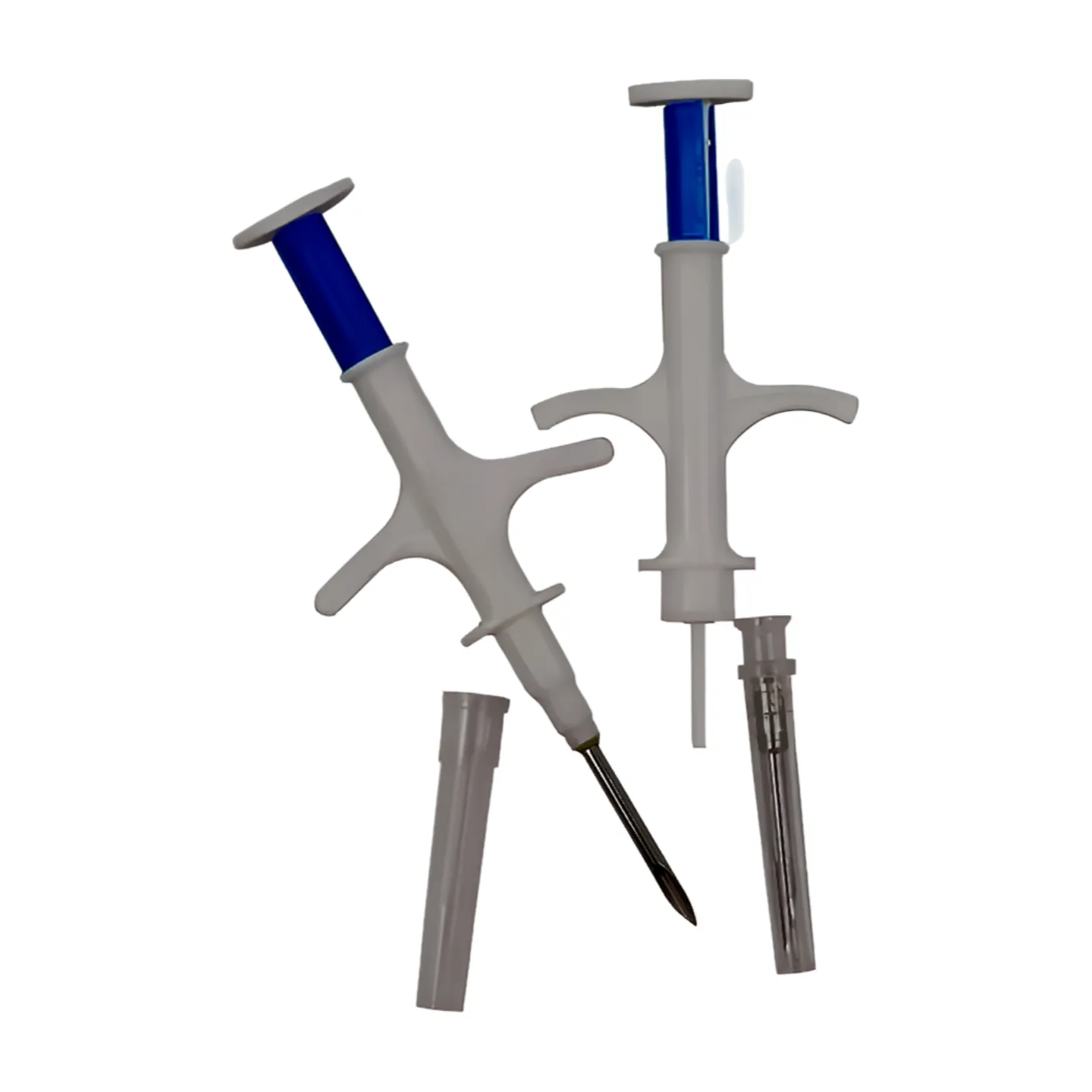
All chips are delivered pre-loaded in a sterile single-use syringe for fast, non-invasive implantation. The procedure can be completed by a licensed veterinarian in minutes, with minimal discomfort for the animal.
Applications of ISO 11784 Microchips
These microchips support a wide range of animal identification use cases for both companion and production animals.
Pet Identification & Lost Pet Recovery
For pet owners and animal shelters, ISO 11784 microchips provide a permanent, tamper-proof form of identification. When a lost pet is scanned, the unique ID code can be cross-referenced with a pet registration database to contact the owner quickly, significantly increasing reunification rates.
Livestock Management & Regulatory Compliance
For livestock managers, HDX protocol ISO 11784 microchips support large scale traceability for disease control, breeding tracking, and regulatory compliance. Long range reading capabilities allow for efficient scanning of large herds without individual animal handling.
Implantation & Usage Guidelines
Proper implantation and registration are required to ensure maximum performance of ISO 11784 microchips.
Syringe Injectable Implantation Process
The pre-loaded sterile syringe is used to inject the microchip under the animal’s loose skin, typically between the shoulder blades for pets and in the ear or neck region for livestock. The procedure requires no anesthesia for most animals, with only mild temporary discomfort reported.
Best Practices for Veterinarians & Pet Owners
Implantation should only be performed by a licensed or trained professional to reduce risk of incorrect placement. After implantation, the unique ID code must be registered in an accessible national or international pet or livestock database with up to date owner contact information. Chips should be scanned annually to confirm correct placement and functionality.
How to Choose the Right ISO 11784 Microchip
Selecting the correct microchip depends on your specific use case, regional requirements, and animal type.
Matching Protocol to Your Reader/Region
Confirm the protocol supported by your existing or local standard scanners before purchasing. FDX-B is the most common protocol for pet identification in most regions, while HDX is preferred for commercial livestock operations in many areas.
Selecting the Correct Size for Your Animal
Choose the smallest possible size that meets your reading range requirements to minimize implantation discomfort. Small 1.4x8mm FDX-A chips are ideal for cats, small dogs, and exotic pets, while larger 4x34mm HDX chips are suitable for cattle and other large livestock.
Verifying ICAR & ISO Compliance
Always confirm that selected chips carry official ICAR certification and explicit compliance with ISO 11784/11785 standards to ensure global recognition and scanner compatibility. Avoid uncertified chips that may not be readable by standard scanners or accepted for regulatory purposes.
Frequently Asked Questions
Can ISO 11784 microchips be read by any RFID reader? ISO 11784 microchips can be read by any scanner that is compliant with the ISO 11784/11785 134.2 kHz standard, which is widely used for animal identification globally.
How long does an ISO 11784 microchip last? These microchips have no battery and are sealed in bioglass, delivering reliable performance for 10 or more years after implantation, often for the full lifetime of the animal.
Is ICAR certification mandatory for pet microchips? ICAR certification is required for cross-border travel of pets in many countries, and is a mandatory requirement for livestock identification in most national regulatory systems.