
ISO 11784 Microchips: The Definitive Guide to Compliant Pet Identification
What Are ISO 11784 Microchips?
Core Definition & Industry Role
ISO 11784 microchips are passive RFID identification devices designed to provide permanent, tamper-proof identity tracking for animals. The standard defines the data structure stored on the microchip, ensuring consistent identification across global registration systems. These microchips are widely adopted by veterinarians, animal shelters, pet registration bodies, and pet owners to support standardized pet management and lost animal recovery efforts.
ISO 11784 vs. ISO 11785: Key Standard Differences
ISO 11784 specifies the coding structure for the unique identification number stored on the animal microchip, including country code and manufacturer ID fields. ISO 11785 outlines the technical performance requirements for the microchip and corresponding readers, including frequency and communication protocol rules. Together, the two standards ensure cross-compatibility between microchips and readers from different manufacturers globally.
Technical Specifications of ISO 11784 Microchips
Frequency & Supported Protocols (FDX-A, FDX-B, HDX)
All ISO 11784 compliant microchips operate at a 134.2 kHz frequency, the global standard for animal identification. They support three core communication protocols: FDX-A, FDX-B, and HDX. FDX-B is the most widely used protocol for pet identification, while HDX is commonly deployed for livestock tracking applications.
Chip Models & Material Safety
Available chip models include EM4305, EM4100, ID, and UHF variants to meet different use case requirements. All microchips are encased in medical grade bioglass, a biocompatible material that prevents migration after implantation and eliminates risk of adverse tissue reactions in animals.
Size Variations for Different Pet Types
Microchips are available in multiple sizes tailored to different animal species and sizes. FDX-B compliant models range from 1.25x7mm for small mammals and young pets to 4x34mm for large livestock. HDX compliant models range from 2x12mm to 4x34mm, suitable for a wide range of agricultural and companion animal use cases.
Lifespan & Reliability
ISO 11784 microchips require no internal power source, operating passively when scanned by a compatible reader. They deliver a minimum service lifespan of 10 years, with most models retaining full functionality for the entire lifetime of the animal. All units undergo rigorous quality testing to ensure resistance to shock, water, and electromagnetic interference.
Key Benefits of ISO 11784 Compliant Pet Microchips
Global Interoperability & ICAR Certification
ICAR certified ISO 11784 microchips are recognized by all international pet registration bodies, ensuring the unique ID is valid across national borders. Compliance with global ISO standards guarantees compatibility with all ISO-certified RFID readers, eliminating scanning failures when pets travel or are found in different regions.
Long-Term Pet Safety & Durability
The medical grade bioglass casing is non-toxic and fully biocompatible, making it safe for implantation in puppies, kittens, and all other companion animal species. The passive design requires no battery replacement or maintenance after implantation, reducing long-term risk to animal health.
Easy Syringe Implantation
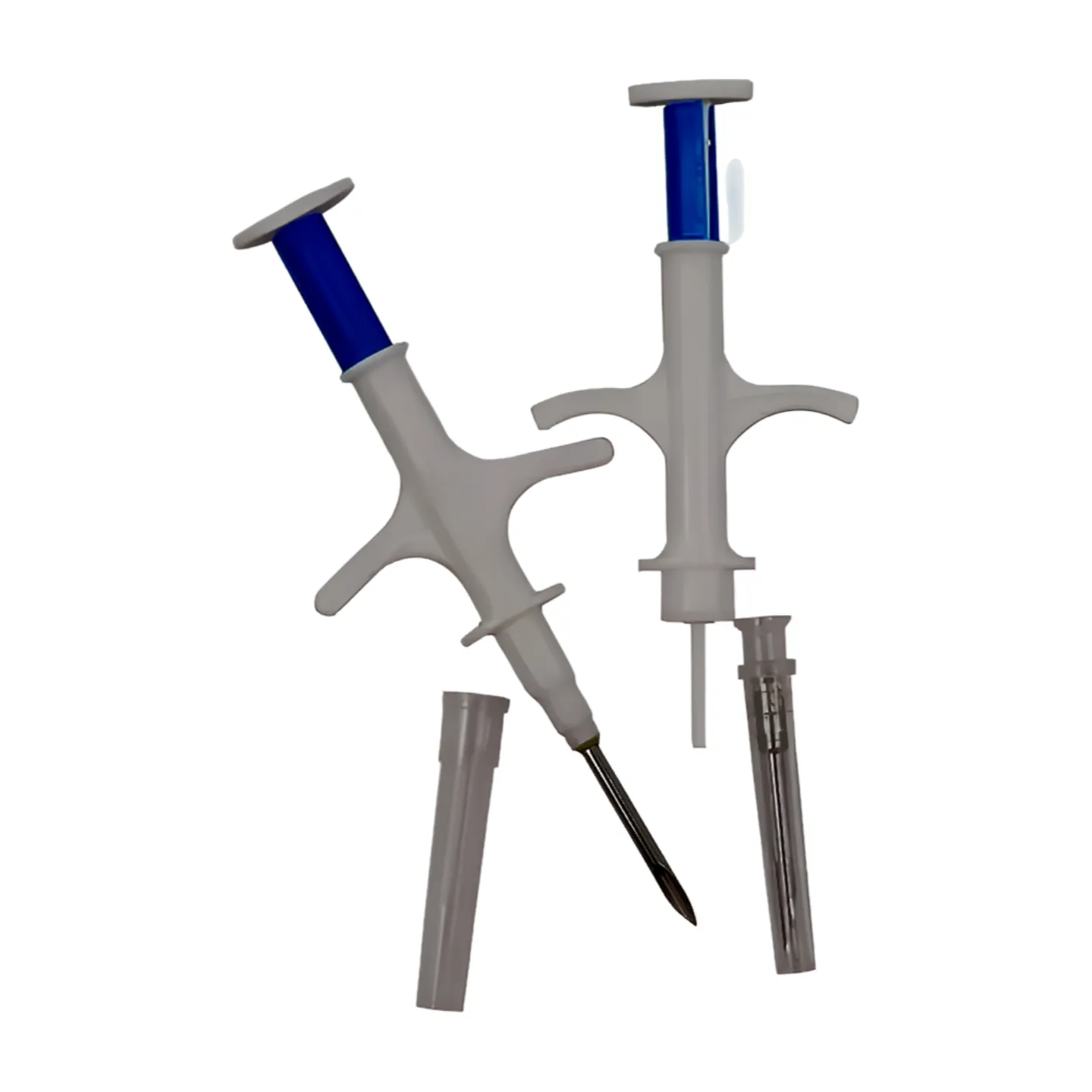
All ISO 11784 microchips are supplied as pre-loaded, sterile syringe injectable units for fast, low-pain implantation. The implantation process takes less than one minute to complete when performed by a trained veterinary professional, with no required post-procedure recovery time for most animals.
How ISO 11784 Microchips Work for Pet Identification
RFID Technology Behind the Microchip
ISO 11784 microchips use passive RFID technology, which draws power from the electromagnetic field emitted by a compatible reader when scanned. The microchip transmits its unique 15-digit identification number back to the reader, which displays the number for cross-reference with pet registration databases.
Pet Registration & Lost Pet Recovery Process
After implantation, the unique microchip number is registered in a national or international pet database linked to the pet owner’s contact information. If a lost pet is found, a shelter or veterinary clinic can scan the microchip to retrieve the ID number, look up the owner’s details, and facilitate safe return of the animal.
Implantation Guidelines for ISO 11784 Microchips
Syringe Injectable Process
The microchip is pre-loaded into a sterile, single-use syringe for implantation. The standard implantation site for companion animals is the subcutaneous tissue between the shoulder blades. The veterinary professional cleans the implantation site, inserts the needle under the skin, injects the microchip before withdrawing the needle and applying gentle pressure to the site.
Best Practices for Veterinarians & Pet Owners
Implantation should only be performed by a trained veterinary professional to reduce risk of incorrect placement or injury. Pet owners should verify their contact information is updated in the linked registration database annually to ensure fast recovery if their pet is lost. No special aftercare is required, though owners should monitor the implantation site for 24 hours for any signs of redness or swelling.
Choosing the Right ISO 11784 Microchip for Your Pet
Matching Size to Pet Species/Size
For small pets including kittens, puppies, and small mammals, select a microchip size of 1.25x7mm to minimize implantation discomfort. For medium to large dogs and cats, a 2x12mm model is suitable. Larger size options are available for livestock and exotic animal species as required.
Protocol Selection Tips
FDX-B protocol microchips are recommended for all companion animals, as they are compatible with the majority of scanners used in veterinary clinics and animal shelters worldwide. HDX protocol models are preferred for livestock applications, as they offer longer read ranges suitable for farm management systems.
Where to Buy ICAR-Certified ISO 11784 Microchips
Key Supplier Criteria
When sourcing ISO 11784 microchips, prioritize suppliers that can provide valid ICAR certification and proof of compliance with ISO 11784/11785 standards. All products should be supplied as sterile, pre-loaded syringe units with clear labeling of chip model, protocol, and unique identification number.
Avoiding Non-Compliant Products
Non-compliant microchips may not be readable by standard scanners, and are not recognized by global pet registration databases. Always verify certification documentation before purchase, and avoid unbranded products that do not list clear technical specifications or compliance credentials.
Frequently Asked Questions (FAQs)
Are ISO 11784 microchips safe for young pets? Yes, the microchips are safe for implantation in puppies and kittens as young as 8 weeks old, with no documented long-term health risks.
Can non-ISO readers detect ISO 11784 microchips? Most non-ISO readers are not calibrated to the 134.2 kHz frequency, so they will not detect or read ISO 11784 compliant microchips.
How long do ISO 11784 microchips last? All compliant models have a minimum lifespan of 10 years, and most will function for the entire lifetime of the animal with no maintenance required.
Can the microchip information be updated after implantation? The unique identification number stored on the microchip is permanent, but the owner contact information linked to the number in the registration database can be updated at any time.