
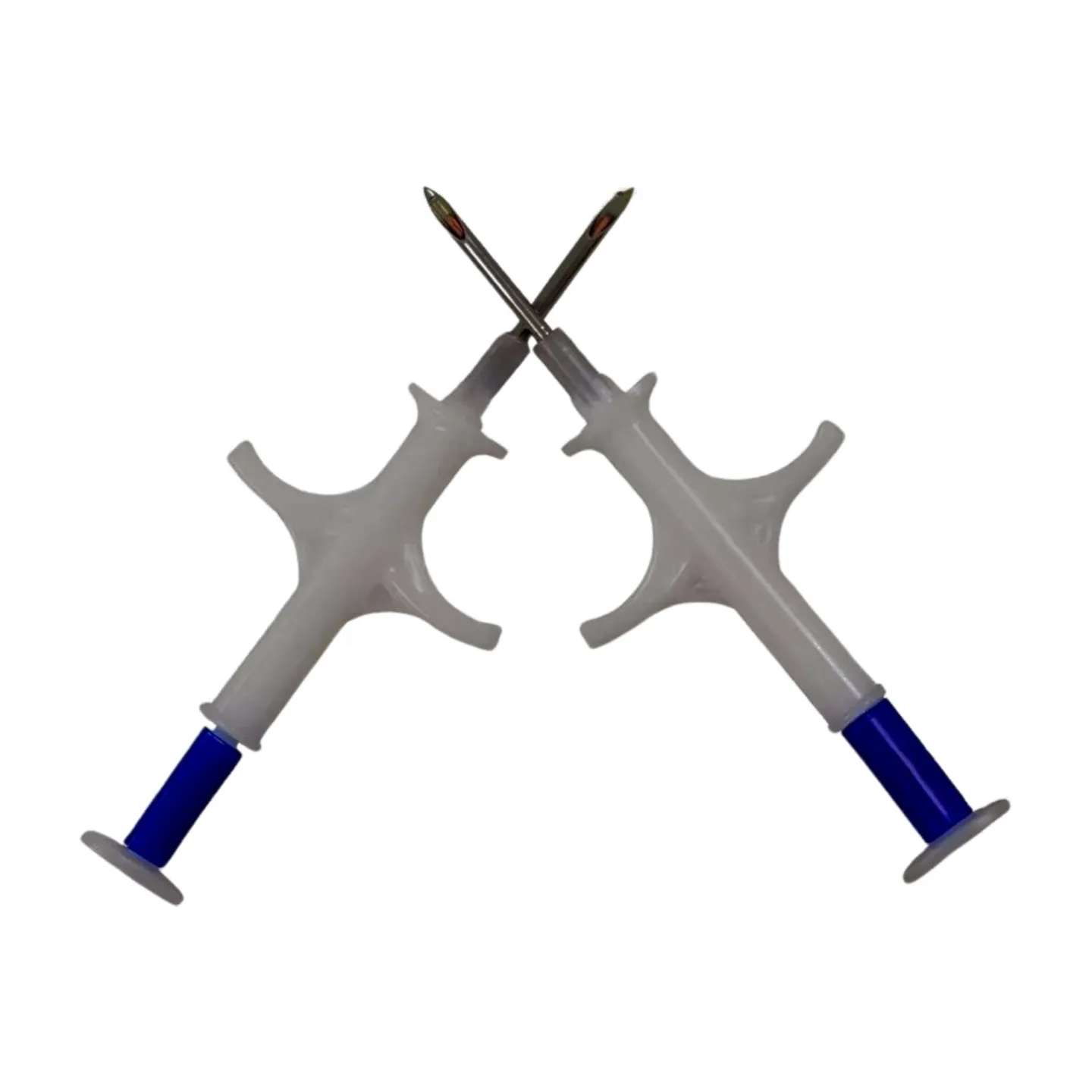
Dog Microchips: The Ultimate Guide to Permanent Canine Identification
What Are Dog Microchips and Why Do You Need One
Dog microchips are small injectable RFID devices designed to provide permanent non-removable identification for canines. Unlike collars and tags that can fall off or be removed, these microchips remain functional for the lifetime of the dog, supporting fast lost pet recovery, streamlined veterinary record management, and compliance with local and international pet registration requirements. The technology eliminates gaps in pet identification that often lead to lost dogs being unclaimed in shelters or impound facilities.
Technical Specifications of Dog Microchips
All dog microchips in this line adhere to global industry standards for performance and compatibility, with specifications tailored to diverse use cases for pet owners, veterinary clinics, animal shelters, and registration authorities.
Frequency and Protocol Compatibility
All units operate at a standard 134.2 kHz frequency, with support for FDX-B, FDX-A, and HDX protocols to ensure compatibility with nearly all commercial animal microchip scanners in use worldwide. This cross-compatibility eliminates the risk of unreadable microchips across different regions or service providers.
Chip Models and Biocompatible Materials
Available chip models include EM4305, EM4100, ID, and UHF variants to meet specific functional requirements for data storage and read range. All chips are encased in medical-grade bioglass, a non-toxic non-reactive material that integrates safely with animal tissue and prevents migration after implantation.
Size Options by Protocol
Size options vary by supported protocol to accommodate dogs of all ages and breeds:
- FDX-A: 1.4x8mm to 4x34mm, ideal for general purpose pet identification
- FDX-B: 1.25x7mm to 4x34mm, the smallest size suitable for puppies and small breed dogs
- HDX: 2x12mm to 4x34mm, optimized for extended read range in high-volume shelter and scanning environments
Technical Specification Comparison Table
| Protocol | Size Range | Compatible Chip Models | Primary Use Case |
|---|---|---|---|
| FDX-A | 1.4x8mm to 4x34mm | EM4100, ID | General purpose pet identification |
| FDX-B | 1.25x7mm to 4x34mm | EM4305, UHF | Cross-border travel, global registration compliance |
| HDX | 2x12mm to 4x34mm | EM4305 | High-volume shelter scanning, extended read range requirements |
Key Benefits of ICAR Certified Dog Microchips
These dog microchips offer distinct advantages over uncertified alternatives, including:
- Permanent, tamper-proof identification that cannot be removed or altered once implanted
- Simple syringe injectable design for fast low-pain implantation by licensed veterinary professionals
- 10+ year operational lifespan with no maintenance required after implantation
- Global recognition for cross-border pet travel and international registration requirements
- Biocompatible construction that eliminates risk of infection or tissue reaction post-implantation
How Dog Microchips Are Implanted
Implantation is a fast non-surgical procedure performed exclusively by licensed veterinary professionals. The microchip is preloaded into a sterile single-use syringe for direct injection under the loose skin between the dog’s shoulder blades. The procedure causes minimal discomfort, comparable to a standard vaccination, with no sedation required for most dogs. Post-implantation care includes avoiding strenuous activity for 24 hours and monitoring the injection site for minor swelling, which typically resolves within 48 hours.
Microchip registration should be completed immediately after implantation to link the unique chip ID to the owner’s contact information in a national or global pet database.
Global Certification and Compliance Standards
All dog microchips meet strict global industry standards to ensure valid identification across all regions.
ISO 11784 11785 The Gold Standard for Animal Microchips
ISO 11784 and 11785 are the international standards for animal identification, defining requirements for microchip frequency, data structure, and readability across scanners. Compliance with these standards guarantees that the microchip can be read by any ISO-compliant scanner anywhere in the world.
ICAR Certification Ensuring Cross Border Recognition
ICAR (International Committee for Animal Recording) certification verifies that the microchip meets strict performance and traceability requirements, and that the unique chip ID is registered in a global database for cross-border recognition. This certification is mandatory for pet travel to most countries, including the European Union, United Kingdom, Australia, and New Zealand.
Choosing the Right Dog Microchip for Your Pet
Select the appropriate microchip based on the following factors:
- Dog age and size: Smaller FDX-B variants are recommended for puppies and toy breeds to minimize implantation discomfort
- Regional requirements: Confirm the dominant protocol used by local shelters, veterinary clinics, and registration authorities to ensure compatibility
- Travel needs: FDX-B ICAR-certified microchips are required for most international cross-border pet travel
- Use case: HDX variants are optimized for high-volume shelter and rescue environments where fast long-range scanning is a priority
FAQs About Dog Microchips
Are dog microchips safe for my pet?
Yes, all microchips are encased in medical-grade bioglass, which is non-toxic and non-reactive with animal tissue. Adverse reactions are extremely rare, with less than 0.01% of implantations resulting in minor temporary swelling at the injection site.
Can dog microchips track my pet’s location?
No, dog microchips are passive RFID devices that do not include GPS or location tracking functionality. They store a unique identification number that is read by a scanner to retrieve owner contact information from a registered database.
How long does a dog microchip last?
All microchips have an operational lifespan of 10 or more years, with no battery or maintenance required. Most units remain functional for the entire lifetime of the dog.
What do I do if my dog’s microchip is not reading?
First, confirm that the scanner being used is compatible with the microchip’s protocol. If compatibility is confirmed, contact your veterinarian to check for rare cases of chip migration, which can be resolved with a simple scan of the full body to locate the chip.
How do I register my dog’s microchip?
After implantation, submit the unique chip ID and your up-to-date contact information to your local pet registration authority or an ICAR-approved global pet database. Update your contact information in the database any time you move or change phone numbers to ensure you can be contacted if your dog is lost.