
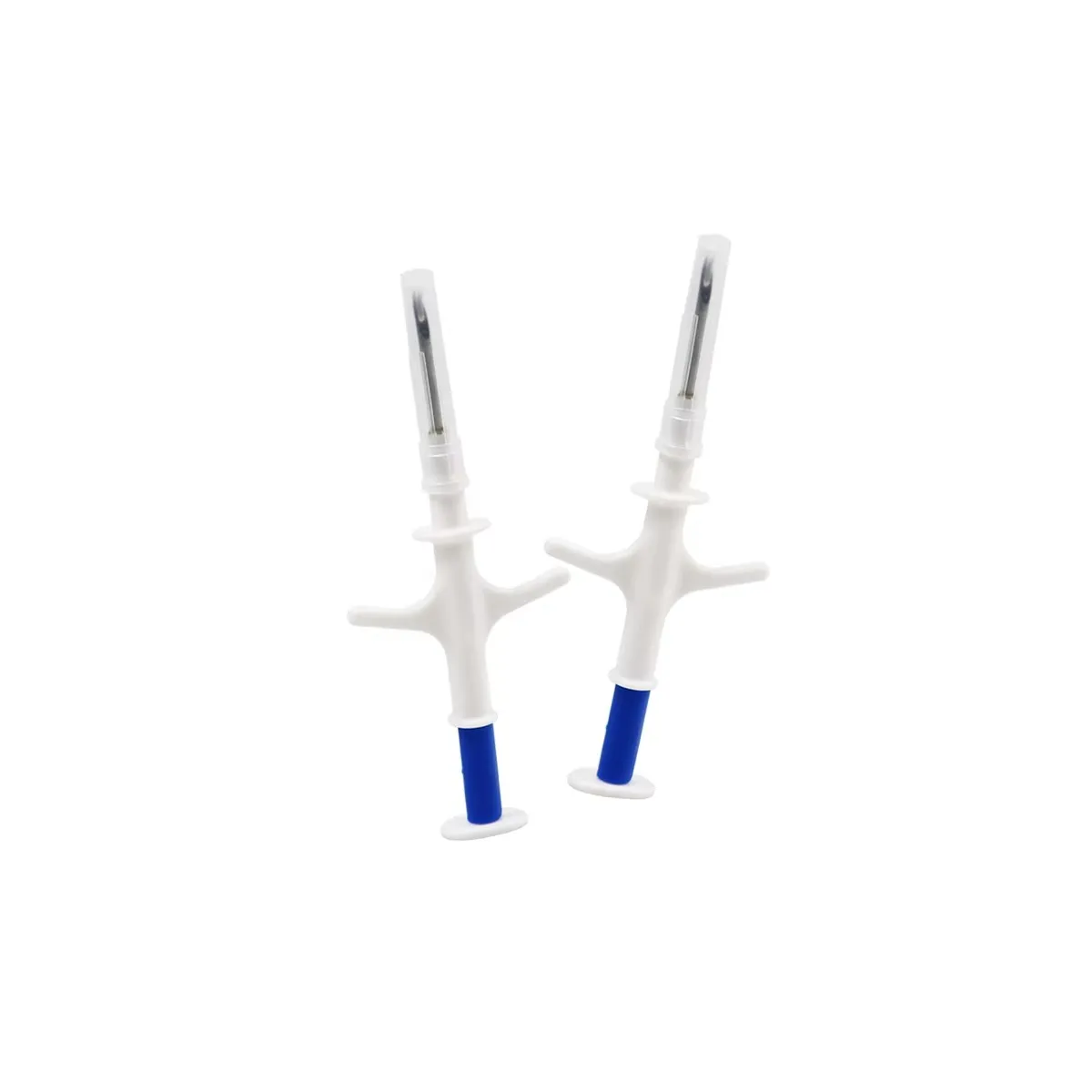
134.2 kHz Pet Tracking Microchip: The Complete Guide to Precise Pet Identification & Tracking
What Is a 134.2 kHz Pet Tracking Microchip?
Core Function & Technology Overview
A 134.2 kHz pet tracking microchip is a tiny, battery-free injectable RFID device built to provide permanent, tamper-proof identification for pets and companion animals. It operates on a low 134.2 kHz LF frequency that delivers reliable detection through pet fur, skin and subcutaneous tissue, with minimal interference from external environmental factors to ensure accurate readings during scans.
Technical Specifications of 134.2 kHz Pet Microchips
Frequency & Protocol Support
This microchip runs on a stable 134.2 kHz LF frequency, with native support for three global industry standard protocols: FDX-A, FDX-B, and HDX. FDX-B is the most widely adopted format for domestic pet identification, HDX variants are optimized for larger companion livestock such as horses, and FDX-A supports compatibility with legacy regional scanner systems.
Chip Models & Material Details
The microchip is compatible with common chip models including EM4305, EM4100, ID, and cross-protocol UHF variants to meet diverse use case requirements. It is fully encased in medical grade bioglass, a non-toxic, biocompatible material that prevents post-implantation migration and resists long-term degradation inside the animal body.
Size Variants for Different Pet Types
Size options are tailored to different animal sizes to ensure comfortable, low-discomfort implantation: FDX-A variants range from 1.4x8mm to 4x34mm, FDX-B variants range from 1.25x7mm to 4x34mm, and HDX variants range from 2x12mm to 4x34mm. Smaller sizes are ideal for cats, teacup dogs and small companion animals, while larger sizes suit medium to large dogs and equine animals.
| Parameter | Specification |
|---|---|
| Operating Frequency | 134.2 kHz LF |
| Supported Protocols | FDX-A, FDX-B, HDX |
| Compatible Chip Models | EM4305, EM4100, ID, cross-protocol UHF variants |
| Casing Material | Medical grade bioglass |
| Minimum Operational Lifespan | 10+ years |
| Implantation Method | Pre-loaded syringe injectable |
Key Benefits of 134.2 kHz Pet Tracking Microchips
- Precise 134.2 kHz frequency delivers consistent, accurate detection across all standard pet ID scanners, reducing missed readings during lost pet recovery efforts
- Multi-protocol support ensures compatibility with global identification systems, making it suitable for cross-border pet travel and international registration requirements
- Battery-free design enables a 10+ year operational lifespan with zero required maintenance after implantation
- Pre-loaded in disposable sterile syringes for fast, non-surgical implantation by qualified veterinarians, with no post-procedure sutures required
- Diverse size options accommodate all pet types from small companion rodents to large equine and livestock animals
Compliance & Global Certifications
ISO 11784/11785 Standard Compliance
All units are fully compliant with ISO 11784 and ISO 11785 global pet identification standards, ensuring the unique microchip ID is readable by all compliant scanners worldwide and meets mandatory pet registration requirements in most countries.
ICAR Certification Explained
The microchip carries official ICAR certification, issued by the International Committee for Animal Recording, which verifies adherence to strict quality and performance standards for animal identification devices, supporting eligibility for global cross-border pet travel schemes.
Implantation & Usage Guidelines
Syringe Injectable Implantation Process
Implantation is a quick, low-discomfort procedure performed exclusively by licensed veterinarians. The pre-sterilized microchip is pre-loaded into a single-use disposable syringe, and injected under the loose skin between the pet’s shoulder blades. The procedure takes less than one minute to complete, with no anesthesia required for most animals.
Post-Implantation Care Tips
Pet owners should avoid touching or rubbing the implantation site for 24 hours after the procedure, and restrict strenuous activity for 3 to 5 days to allow the microchip to settle securely in place. No additional long-term care is required after the site is fully healed, and owners are advised to register their pet’s unique microchip ID on a national pet identification database immediately after implantation.
Real-World Applications of 134.2 kHz Pet Microchips
- Lost pet recovery: Scanning the microchip pulls up the owner’s registered contact information, enabling fast, accurate reunion of lost or stolen pets with their families
- Animal shelter management: Microchips allow shelters to track stray animal intake, medical records, and adoption status accurately, reducing administrative errors and preventing misidentification of animals
- Companion livestock identification: HDX protocol variants support permanent, tamper-proof identification for horses and other small-scale livestock, meeting agricultural transport and regulatory requirements
Frequently Asked Questions
Is a 134.2 kHz microchip compatible with all pet scanners?
134.2 kHz is the global standard frequency for pet identification, so the microchip is compatible with nearly all commercially available pet scanners. Its multi-protocol support further extends compatibility with legacy and regional scanner systems used in different parts of the world.
How long does a 134.2 kHz pet microchip last?
The battery-free design of the microchip supports a minimum operational lifespan of 10 years, with most units remaining functional for the entire lifetime of the average pet.
Is implantation of the microchip painful for pets?
Implantation causes minimal, temporary discomfort similar to a standard vaccination injection, and most pets show no adverse reaction to the procedure. Severe adverse reactions are extremely rare, reported in less than 0.01% of implantations.