
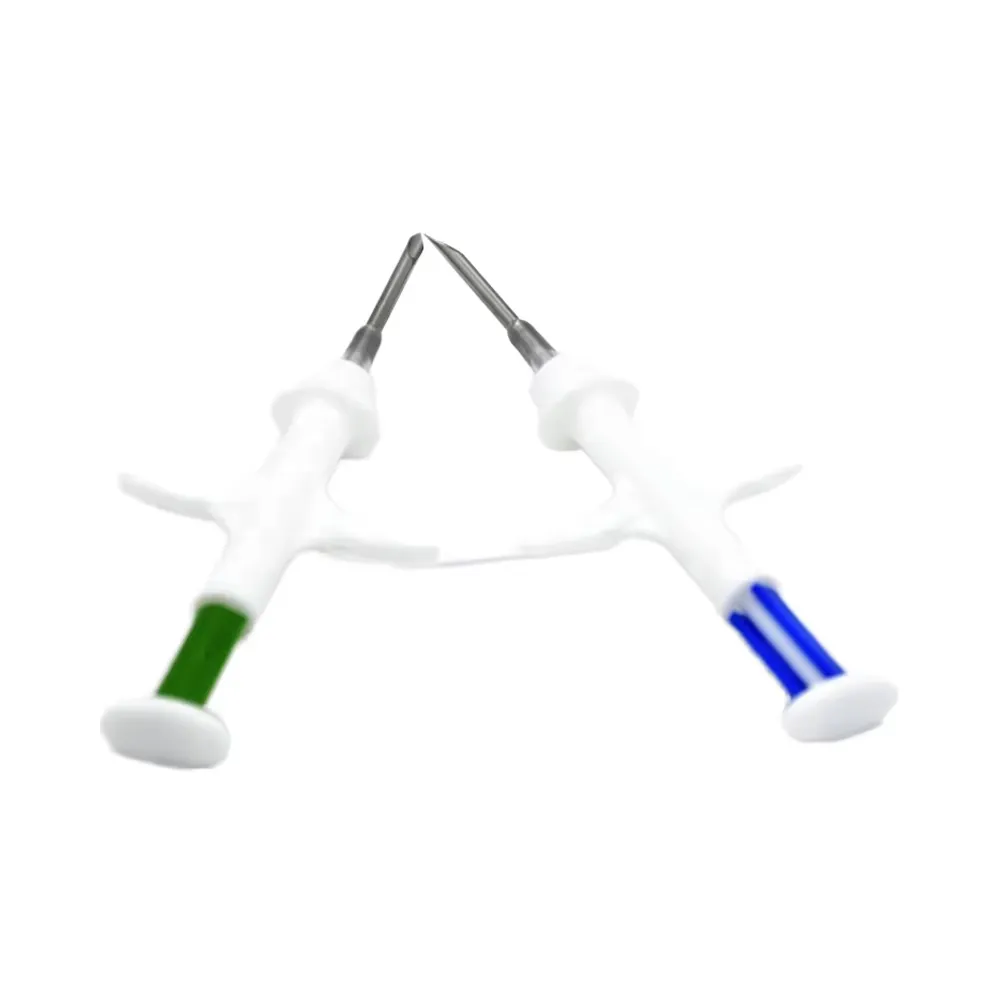
FDX-B Animal Microchip: The Complete Guide to ICAR-Certified RFID Implants
What Is an FDX-B Animal Microchip?
Full Duplex RFID Technology Explained
FDX-B refers to a full-duplex low-frequency RFID protocol designed exclusively for permanent animal identification. Full-duplex technology allows the microchip to send and receive data simultaneously when scanned, delivering faster read speeds and more consistent performance than simplex or half-duplex alternatives.
How FDX-B Differs from FDX-A & HDX Protocols
FDX-A operates on a simplex transmission model, only sending data when activated by a reader, resulting in slower read speeds. HDX (half-duplex) alternates between send and receive functions, requiring longer scan times. FDX-B balances speed and read range, making it the most widely adopted global standard for animal ID.
Core Technical Specifications of FDX-B Animal Microchips
Frequency & Protocol Compatibility
All FDX-B animal microchips operate on the 134.2 kHz low-frequency RFID standard, with backward compatibility for FDX-A and HDX protocols to work with most existing reader systems.
Chip Models & Medical-Grade Materials
Available chip models include EM4305, EM4100, ID and UHF variants to suit different use cases. All chips are fully encased in medical-grade bioglass, which is non-toxic, biocompatible and resistant to migration inside animal tissue.
Protocol-Specific Size Options
Size options are tailored to animal type and protocol: 1.25x7mm for small FDX-B pet implants, and up to 4x34mm for large HDX livestock implants, ensuring minimal discomfort during and after implantation.
Longevity & Reliability
FDX-B animal microchips have a minimum operational lifespan of 10 years, with no battery required, as they are powered by the RFID reader’s signal during scanning.
Key Benefits of FDX-B RFID Animal Implants
FDX-B microchips deliver distinct advantages over competing animal ID solutions: full-duplex transmission for 30% faster read speeds than HDX models, multi-protocol compatibility to eliminate reader replacement costs, ICAR global certification for cross-border animal movement compliance, biocompatible construction for safe long-term use, and pre-loaded syringe delivery for fast, standardized implantation.
Applications of FDX-B Animal Microchips
Companion Animal Identification
For pet owners, FDX-B microchips enable permanent identification to support lost pet recovery, with unique chip IDs linked to owner contact information in national and international pet registries.
Livestock Management & Traceability
Livestock farmers and ranchers use FDX-B microchips for herd health tracking, breeding record management, and compliance with national livestock traceability regulations to reduce disease outbreak risks.
Wildlife Conservation & Shelter Animal Tracking
Wildlife researchers deploy FDX-B microchips to monitor population movements and survival rates, while animal shelters use the chips to track stray animal intake, medical records and adoption status.
Implantation & Post-Care Guidelines
Syringe Injectable Implantation Process
All FDX-B microchips come pre-loaded in a sterile single-use syringe for administration by a licensed veterinarian. Recommended implantation sites include the scruff of the neck for small pets and the upper ear flap for livestock, requiring no sutures after injection.
Post-Implantation Care & Read Verification
Immediately after implantation, the chip should be scanned to confirm readability and the unique ID should be registered in the relevant animal ID database. No special post-care is required, though gentle handling of the implantation site for 24 hours is recommended to prevent chip migration.
Compliance & Global Certifications
ISO 11784/11785 Standards for Animal ID
FDX-B microchips meet ISO 11784 (data structure for animal ID) and ISO 11785 (technical protocol for RFID animal identification) standards, ensuring consistent readability across all compliant reader systems globally.
ICAR Certification: Global Recognition for FDX-B Chips
ICAR (International Committee for Animal Recording) certification confirms that the microchip meets global performance and data integrity requirements, making it suitable for cross-border pet travel and international livestock export operations.
Technical Specifications Reference Table
| Parameter | Specification |
|---|---|
| Operating Frequency | 134.2 kHz |
| Supported Protocols | FDX-B, FDX-A, HDX |
| Chip Models | EM4305, EM4100, ID, UHF |
| Core Material | Medical-grade bioglass |
| Minimum Lifespan | 10+ years |
| Certifications | ICAR, ISO 11784/11785 |
Frequently Asked Questions
Can FDX-B microchips be read by FDX-A readers?
Most modern FDX-A readers support backward compatibility for FDX-B chips, though older reader models may require a firmware update to recognize FDX-B transmissions.
How do I register an animal’s FDX-B microchip?
Registration is completed through national or regional animal ID registries, using the unique 15-digit ID number displayed when the microchip is scanned by a compatible reader.
Are FDX-B microchips safe for small animals?
Yes, the 1.25x7mm small-animal FDX-B microchip is sized for use in cats, small dogs, and exotic small pets, with biocompatible construction to eliminate adverse tissue reactions.
FDX-B vs FDX-A vs HDX Protocol Comparison
| Protocol | Transmission Type | Average Read Speed | Ideal Use Case |
|---|---|---|---|
| FDX-B | Full Duplex | 0.2 seconds | Pets, cross-border travel, high-volume livestock operations |
| FDX-A | Simplex | 0.8 seconds | Small-scale domestic pet ID |
| HDX | Half Duplex | 0.5 seconds | Large livestock herds with longer read range requirements |
FDX-B Microchip Buyer’s Checklist
- Confirm ICAR and ISO 11784/11785 certification for global compatibility
- Select the appropriate size for your target animal type
- Verify chip model compatibility with your existing RFID reader system
- Ensure chips come pre-loaded in sterile single-use syringes for safe implantation
- Confirm minimum 10-year operational lifespan guarantee