
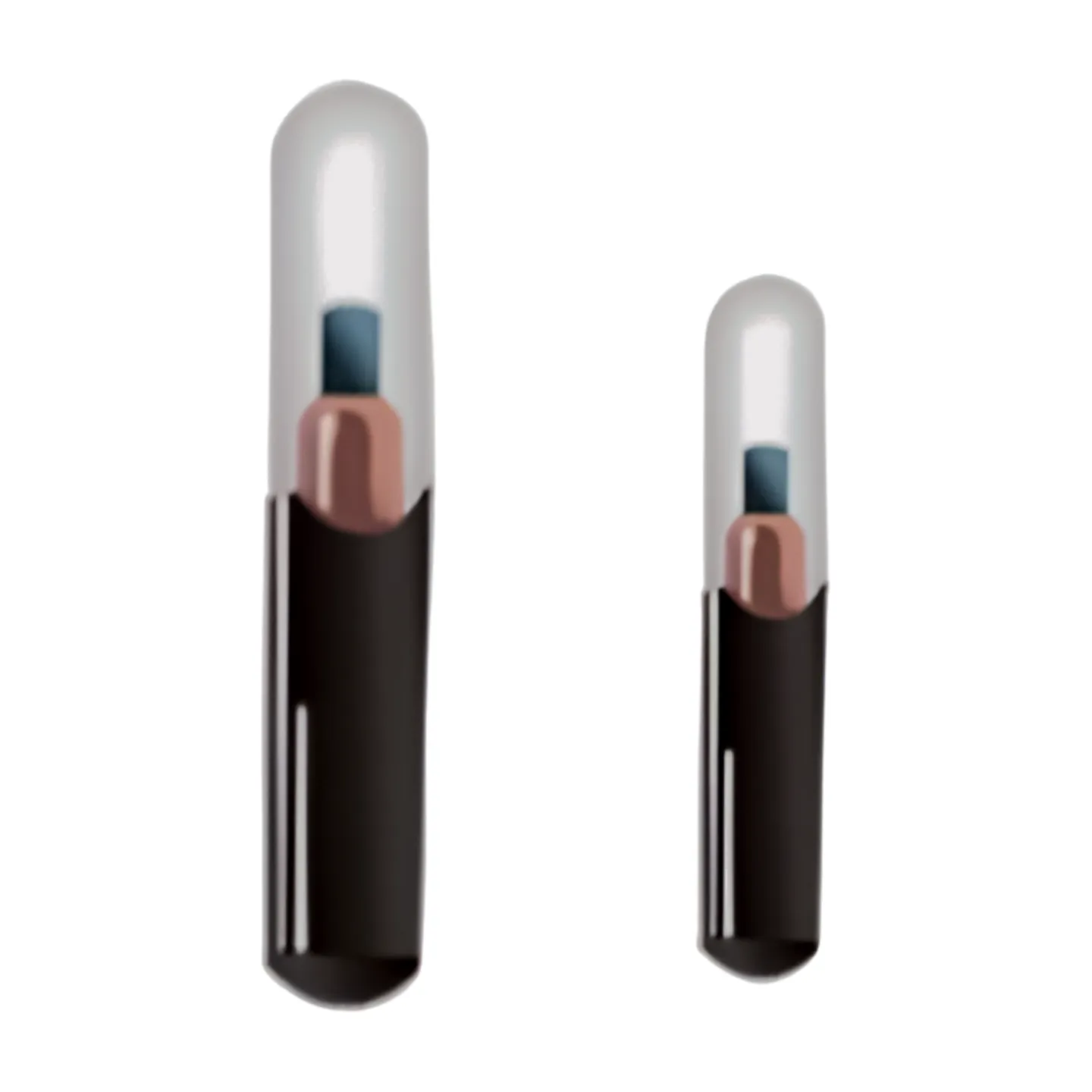
Pet Tracking Microchips: The Ultimate Guide to Reliable Pet Identification and Recovery
According to global animal welfare data, only 15 percent of lost dogs and 2 percent of lost cats without formal identification are returned to their owners, while microchipped pets have a 52 percent return rate for dogs and 38 percent for cats. These RFID pet microchips provide a permanent, tamper-proof identification solution for pets of all sizes, breeds, and species, including dogs, cats, and small exotic pets.
What Is a Pet Tracking Microchip and Why Do You Need One?
Core Function: Identification vs Real Time Tracking
This product is an RFID-based identification chip, not a real-time GPS tracking device. It stores a unique, unalterable identification number linked to the pet owner’s contact information in a global registry. The chip only transmits data when scanned by a compatible RFID reader, making it a low-power, long-lasting identification solution.
The Cost of Losing a Pet: Why Microchips Are Non-Negotiable
Collars and tags can fall off, fade, or be removed, but a microchip remains embedded under the pet’s skin for its entire lifetime. This permanent identification significantly increases the chance of reuniting with a lost pet, and is required for international pet travel in most countries.
Technical Specifications of Our Pet Tracking Microchips
Frequency and Protocol Compliance
All chips operate at 134.2 kHz, the global standard frequency for animal identification, and support FDX-B, FDX-A, and HDX protocols to ensure compatibility with nearly all commercial RFID scanners used by veterinarians, shelters, and border control agencies.
Chip Models
Available chip models include EM4305, EM4100, ID, and UHF variants to suit different use cases, from basic pet identification to advanced data storage requirements.
Size Options by Protocol
Size variants are tailored to different pet sizes: FDX-A chips range from 1.4x8mm to 4x34mm, FDX-B chips range from 1.25x7mm to 4x34mm, and HDX chips range from 2x12mm to 4x34mm. The smallest variants are designed for small pets such as kittens, puppies, and exotic small mammals, while larger variants are suited for large dog breeds and working animals.
Material and Lifespan
Each chip is encased in medical grade bioglass, a biocompatible material that does not trigger adverse reactions or migrate within the pet’s body after implantation. The chips have a minimum lifespan of 10 years, with most units remaining functional for the entire lifetime of the pet.
Key Benefits of ICAR Certified and ISO Compliant Pet Microchips
Global Recognition with ICAR Certification
All chips are ICAR certified, meaning they meet the strictest global standards for animal identification, and their unique ID numbers are recognized in all ICAR-affiliated national pet registries worldwide.
ISO 11784 11785 Compliance for International Pet Travel
The chips comply fully with ISO 11784 and ISO 11785 international animal identification standards, meeting the entry requirements for pets traveling across international borders in nearly all countries.
Biocompatible Material: Safe for Long Term Implantation
The medical grade bioglass casing is non-toxic, non-allergenic, and integrates with surrounding tissue to prevent movement under the skin, eliminating long-term health risks for implanted pets.
Permanent Identification: No Battery Replacement Needed
The chips are passive RFID devices, meaning they draw power from the scanner when read, and do not require an internal battery. This eliminates the need for maintenance or replacement over the chip’s lifespan.
How Pet Tracking Microchips Work
RFID Technology Basics for Pet Microchips
Passive RFID microchips store a unique identification number in non-volatile memory. When a compatible scanner is held near the implant site, the scanner emits a low frequency radio signal that powers the chip, which then transmits its unique ID number back to the scanner for display.
Protocol Differences: FDX B vs FDX A vs HDX
FDX-B is the most widely adopted global protocol for pet identification, supported by nearly all scanners in veterinary clinics and shelters. FDX-A is commonly used in specific regional markets, while HDX offers longer read ranges, making it ideal for use in livestock and large animal identification alongside pet use cases.
How Scanners Read Pet Microchips
Compatible 134.2 kHz scanners detect the chip’s radio signal within a read range of 2 to 20 centimeters, depending on the chip size and protocol. The scanner displays the unique ID number, which can be cross-referenced with a pet registry to access the owner’s contact information.
Implantation Process: Safe and Simple Syringe Injection
Who Should Implant a Pet Microchip
Implantation should only be performed by a licensed veterinarian or trained animal care professional to ensure correct placement and minimize risk of complications. DIY implantation is not recommended, as it can lead to incorrect placement, injury, or infection.
Step by Step Implantation Procedure
The chip is preloaded into a sterile, single-use syringe. The professional injects the chip under the loose skin between the pet’s shoulder blades, a quick and low-pain procedure that requires no anesthesia for most pets. The entire process takes less than 10 seconds to complete.
Post Implantation Care and Safety Tips
Minor tenderness at the implant site is common for 1 to 2 days after the procedure. Owners should avoid touching or applying pressure to the site for 24 hours, and monitor for signs of infection such as redness, swelling, or discharge. The chip will be fully fixed in place within 2 to 3 weeks of implantation.
Choosing the Right Pet Tracking Microchip for Your Furry Friend
Selecting the Correct Size Based on Pet Breed and Age
Smaller chips (1.25x7mm to 1.4x8mm) are recommended for pets under 5 kilograms, including kittens, puppies, and small exotic pets. Medium sized chips (2x12mm) are suited for adult cats and small to medium dog breeds, while larger chips are intended for large dog breeds weighing over 30 kilograms.
Picking the Right Protocol: Which One Fits Your Needs
FDX-B protocol chips are recommended for most pet owners, as they offer universal compatibility for travel and global registry access. FDX-A chips are suitable for use in regions where this protocol is the local standard, and HDX chips are ideal for owners requiring longer read ranges for outdoor or working pets.
Why ICAR Certification Matters for Lost Pet Recovery
ICAR certified chips are registered in global databases that can be accessed by shelters and veterinary clinics anywhere in the world, drastically increasing the chance of reuniting with a lost pet even if it is found far from its home location.
Real World Applications of Pet Tracking Microchips
Lost Pet Recovery
Microchipped pets that are found and scanned can be quickly reunited with their owners, even if they have traveled hundreds of kilometers from home. Multiple independent studies show that microchipped pets are up to 15 times more likely to be returned to their owners than non-microchipped pets.
Pet Microchips in Shelters and Rescue Organizations
Shelters and rescue groups use microchips to identify incoming stray pets, contact their original owners, and track medical and adoption records for animals in their care. Bulk microchip packages are available for institutional users to reduce operational costs.
Compliance for Pet Breeders and International Travel
Many countries require permanent microchip identification for pets entering their borders, as well as for breeding registration and animal welfare compliance. ISO compliant, ICAR certified chips meet all regulatory requirements for these use cases.
Technical Specifications Comparison Table
| Protocol | Chip Models Available | Size Range | Typical Use Case |
|---|---|---|---|
| FDX-B | EM4305, EM4100, ID, UHF | 1.25x7mm to 4x34mm | General pet identification, international travel |
| FDX-A | EM4100, ID | 1.4x8mm to 4x34mm | Regional pet identification, small animal use |
| HDX | EM4305, UHF | 2x12mm to 4x34mm | Large pets, working animals, extended read range needs |
Frequently Asked Questions
Can microchips migrate inside a pet’s body?
The medical grade bioglass casing is designed to adhere to surrounding tissue after implantation, and migration rates are less than 0.1 percent when implanted correctly by a professional.
Do microchips require battery replacements?
No, the chips are passive RFID devices that draw power from the scanner during reading, so no battery or maintenance is required over their 10+ year lifespan.
How do I register my pet’s microchip?
After implantation, you can register the unique ID number on any ICAR-affiliated national pet registry, updating your contact information as needed to ensure you can be contacted if your pet is found.
Are microchips painful for pets?
The implantation procedure causes minimal discomfort, similar to a routine vaccination, and most pets show no reaction to the procedure. Anesthesia is not required for healthy pets.
Warranty and Support
All pet tracking microchips come with a 10 year functional warranty, covering manufacturing defects and performance failure under normal use. Customer support is available for assistance with registry registration, product compatibility, and bulk order inquiries for veterinary clinics, shelters, and breeders.