
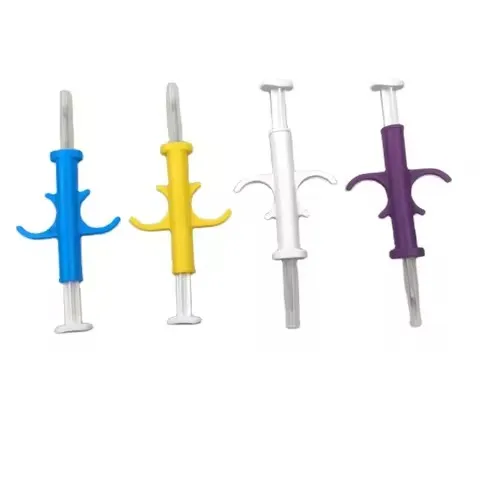
RFID Animal Microchips – ISO Compliant, Customizable Solutions from DO RFID GROUP
What Are RFID Animal Microchips & How Do They Work?
RFID animal microchips are subcutaneous implantable identification tags designed for permanent, tamper-proof animal tracking and identification. Operating on 134.2 kHz low-frequency RFID technology, the microchip is implanted via a sterile syringe under the animal’s skin. When scanned with a compatible LF RFID reader, the chip transmits its unique stored identification data for instant retrieval and verification.
Key Technical Specifications of Our RFID Animal Microchips
Below are core technical parameters to support your purchasing and compatibility assessment:
| Parameter | Specification |
|---|---|
| Frequency | 134.2 kHz LF |
| Protocol | ISO 11784/11785, FD-B |
| Chip Options | EM4305 (256-bit read-only), NXP HITAG S256 (1024-bit rewritable) |
| Size Options | 2.12x12mm (standard), 1.4x8mm (mini, custom) |
| Material | Biocompatible glass capsule, medical-grade epoxy seal |
| Operating Temperature Range | -40°C to +85°C |
| Read Range | Up to 10cm with compatible LF readers |
| Implantation Method | Subcutaneous injection via pre-sterilized syringe |
Frequency & Global Protocol Compliance
The 134.2 kHz LF frequency delivers stable reading performance without interference from animal tissue or environmental moisture. Compliance with ISO 11784/11785 global standards ensures interoperability with all standard LF animal identification readers across all regions.
Chip & Memory Configuration Options
Two chip configurations are available to match different use case requirements: EM4305 read-only chips with 256-bit memory for fixed permanent identification, and NXP HITAG S256 rewritable chips with 1024-bit memory for applications requiring regular data updates.
Physical & Environmental Attributes
Standard 2.12x12mm chips are suited for large livestock and adult pets, while custom 1.4x8mm mini chips are designed for small pets, young animals, and small wildlife species. The fully sealed biocompatible glass construction is waterproof, resistant to extreme temperatures, and suitable for lifelong implantation without adverse reactions.
Industry Applications of RFID Animal Microchips
Our RFID animal microchips address core identification pain points across multiple industries:
- Pet identification: Enables lost pet recovery for veterinary clinics and animal shelters, with permanent identification that cannot be removed or tampered with.
- Livestock management: Supports full traceability for cattle, sheep, pig farms to meet food safety regulations and optimize herd management workflows.
- Wildlife monitoring: Facilitates long-term population tracking and research for wildlife conservation institutions.
- Zoo and research animal management: Simplifies individual animal record keeping for zoo operations and laboratory research facility management.
Why Choose DO RFID GROUP’s RFID Animal Microchips?
Biocompatibility & Animal Safety
All microchips are manufactured with medical-grade biocompatible materials, certified to ISO 10993 biocompatibility standards and FDA 510(k) cleared. The hypoallergenic, non-toxic construction eliminates risk of adverse tissue reaction after implantation.
Durability & Reliability
The fully sealed tamper-proof design delivers lifelong stable performance, with waterproof protection and tolerance for extreme operating temperatures between -40°C and +85°C. No battery is required, with an operational lifespan of over 20 years.
Factory Supply Capacity & Experience
DO RFID GROUP brings over 10 years of specialized RFID manufacturing experience, with automated production lines supporting a maximum monthly output of 5 million units to fulfill large bulk orders with consistent quality and short lead times.
Customization & OEM/ODM Services for Animal Microchips
Custom Size & Memory Configurations
We offer custom size options including the 1.4x8mm mini chip for small animal use cases, as well as custom memory programming to pre-load unique identification codes or application-specific data as required.
Branding & Packaging Customization
Custom logo printing on chip syringes and custom sterile packaging options are available to align products with your brand identity for resale or internal use.
Industry-Specific OEM/ODM Solutions
We develop tailored microchip solutions for specialized use cases including livestock traceability systems, wildlife research tracking programs, and pet identification network integrations.
Quality Control & Certifications
All products undergo end-to-end quality control testing including reading performance validation, seal integrity testing, and biocompatibility verification before shipment. Our microchips hold full global certifications including ISO 11784/11785 compliance, CE, RoHS, FDA 510(k) clearance, and ISO 10993 biocompatibility certification to meet all international regulatory requirements.
How to Order Bulk RFID Animal Microchips from DO RFID GROUP
The bulk ordering process follows a simple workflow to ensure fast and accurate order fulfillment:
- Submit your inquiry including required chip type, quantity, customization requirements, and delivery location.
- Receive a customized quote within 24 hours, with optional sample provision for performance testing before bulk order confirmation.
- Confirm order details and complete payment to initiate production.
- Receive finished products via your preferred shipping method after full quality inspection.
Minimum order quantities start at 100 units for standard products, with flexible terms for large bulk and OEM orders.
Frequently Asked Questions
- What is your minimum order quantity? Minimum order quantity is 100 units for standard unbranded microchips, with higher MOQs applicable for custom OEM orders.
- Can you pre-program custom identification codes? Yes, we offer pre-programming services for unique ID codes as per your requirements at no additional cost for bulk orders.
- Are these microchips compatible with existing LF animal readers? Yes, ISO 11784/11785 compliance ensures compatibility with all standard 134.2 kHz LF animal identification readers globally.
- What is the operational lifespan of the microchip? The microchip requires no battery, with a functional lifespan of over 20 years after implantation.