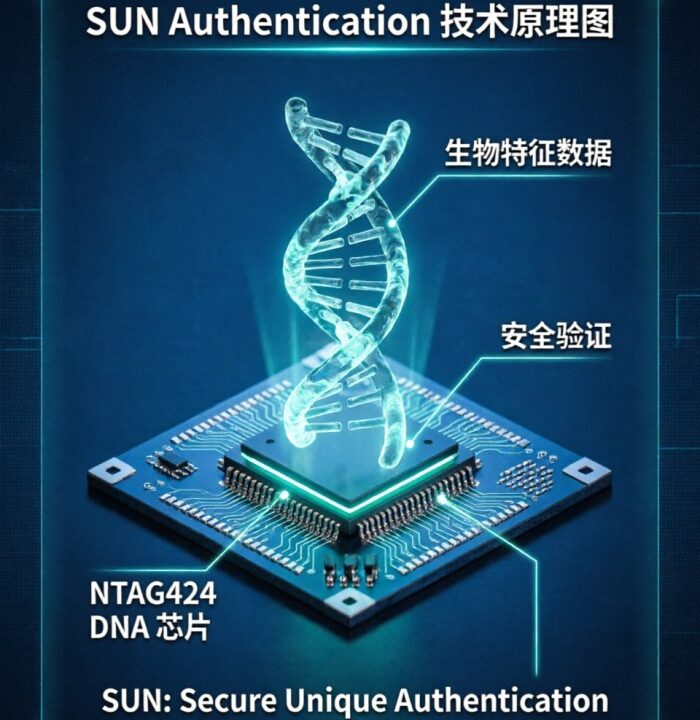
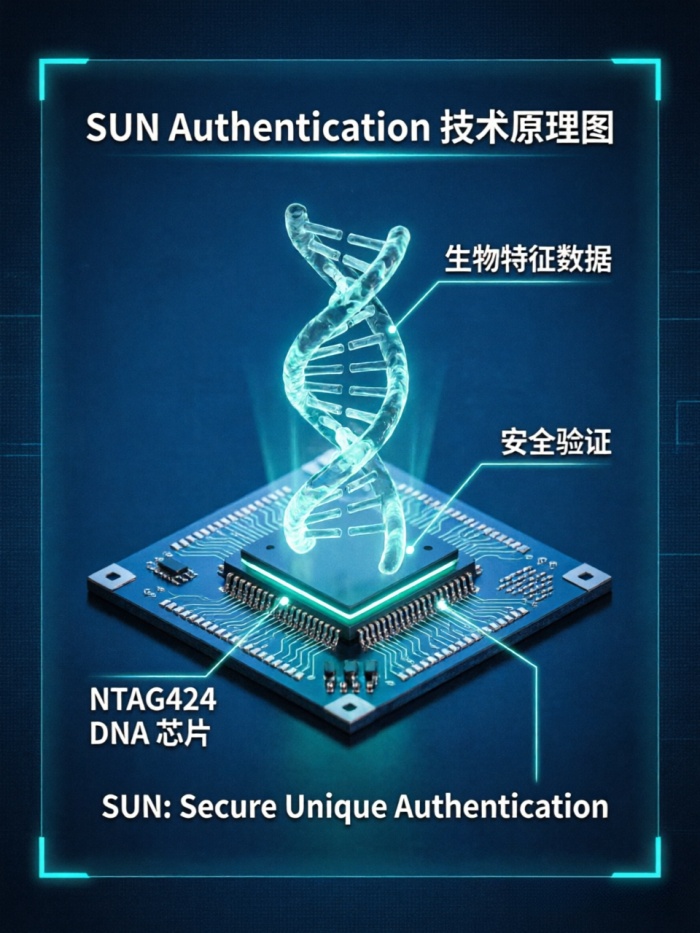
Premium Transparent NFC Inlay Featuring NXP NTAG213 Chip Technology
The Clear Transparent NXP NTAG213 NFC Inlay is a high-performance NFC component designed for smart labels, product authentication, digital packaging, and interactive marketing applications. Built with the original NXP NTAG213 NFC chip, this transparent NFC inlay provides reliable contactless communication while maintaining an almost invisible appearance when applied to products.
Unlike traditional NFC stickers with visible backgrounds, the transparent structure allows brands to integrate NFC technology into premium packaging, glass products, cosmetics, luxury goods, and high-end retail items without affecting the original product design.
This NFC inlay operates at 13.56 MHz and complies with ISO/IEC 14443 Type A and NFC Forum Type 2 Tag standards, making it compatible with most NFC-enabled smartphones, including Android devices and iPhones with NFC functionality.
With its compact design, excellent transparency, and stable performance, the NTAG213 transparent NFC inlay is an ideal solution for brands looking to combine physical products with digital experiences.
What Is a Transparent NFC Inlay?
An NFC inlay is the core component inside an NFC label or smart tag. It consists of an NFC chip and antenna mounted on a thin substrate material. After additional processing, the inlay can become a finished NFC sticker, embedded tag, or customized smart label.
The transparent NFC inlay is specially designed for applications where visual appearance is important. The antenna and chip structure are optimized to reduce visibility while maintaining NFC communication performance.
A typical NFC inlay structure includes:
| Layer | Description |
|---|---|
| Protective layer | Provides mechanical protection |
| NFC antenna | Enables wireless communication at 13.56 MHz |
| NFC chip | Stores data and manages communication |
| PET substrate | Provides flexibility and stability |
| Adhesive layer (optional) | Allows attachment to different surfaces |
This thin and lightweight structure makes it suitable for integration into various products and packaging materials.
Specification
Clear transparent NXP Ntag213 NFC inlay
1. Chip Model: All chips are available
2. Frequency: 13.56MHz
3. Memory: depend on the chips
4. Protocol: ISO14443A
5. Base material: PET
6. Antenna material: Aluminium foil
7. Antenna size: 26*12mm, 22mm Dia, Dia25mm ,32*32mm, 18*56mm, 45*45mm,76*45mm, or as request
8. Working temperature: -25°C ~ +60°C
9. Store Temperature: -40°Cto +70°C
10. Read/Write Endurance: >100,000 time
11. Reading Range: 3-10cm
12. Certificates: ISO9001:2000, SGS
Chip Option
| ISO14443A | MIFARE Classic® 1K, MIFARE Classic® 4K |
| MIFARE® Mini | |
| MIFARE Ultralight®, MIFARE Ultralight® EV1, MIFARE Ultralight® C | |
| NTAG213 / NTAG215 / NTAG216 | |
| MIFARE ® DESFire® EV1 (2K/4K/8K) | |
| MIFARE® DESFire® EV2 (2K/4K/8K) | |
| MIFARE Plus® (2K/4K) | |
| Topaz 512 | |
| ISO15693 | ICODE SLIX, ICODE SLI-S |
| EPC-G2 | Alien H3, Monza 4D, 4E, 4QT, Monza R6, etc |
Product picture of 13.56mhz Mifare Ultralight ev1 RFID NFC inlay
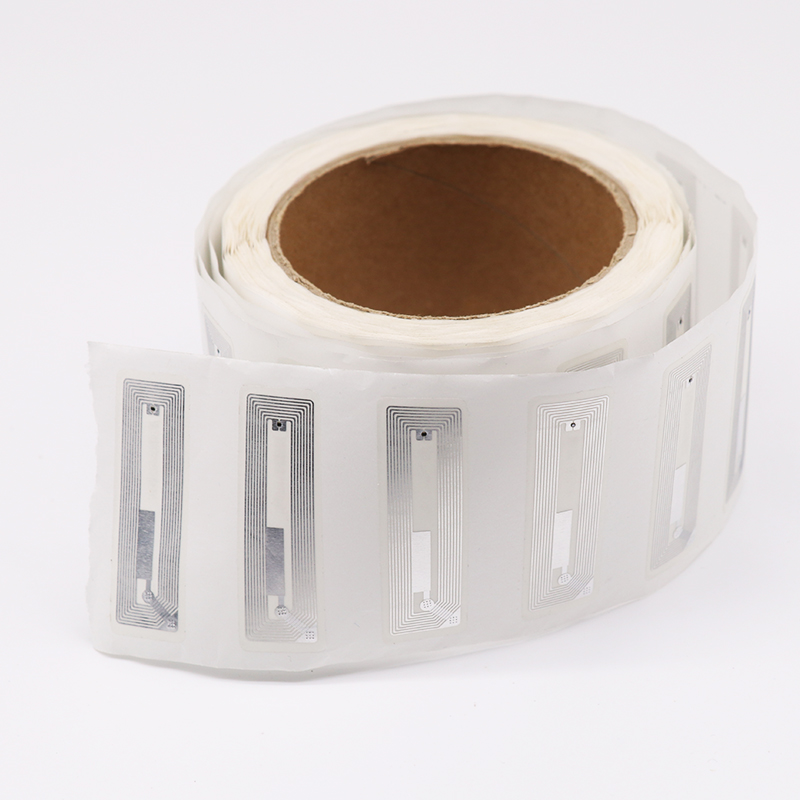
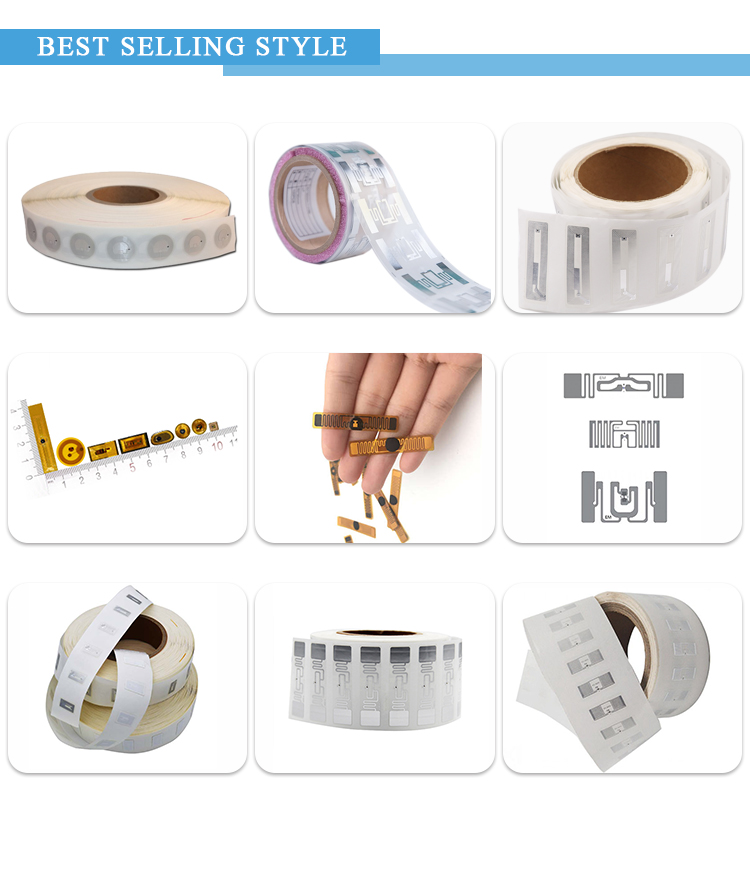
RFID Wet Inlays are described as “wet” due to their adhesive backing, so they are essentially industrial RFID stickers. Passive RFID Tags are comprised of two parts: an integrated circuit for storing and processing information and an antenna for receiving and transmitting the signal. They have no internal power supply. RFID Wet Inlays are best for applications where a low-cost “peel-and-stick” tag is needed. Any RFID Wet Inlay can also be converted into a paper or synthetic face label.

Key Features of NXP NTAG213 NFC Inlay
The NTAG213 NFC inlay combines trusted chip technology with a transparent design, providing manufacturers and brands with a reliable NFC solution.
Original NXP NTAG213 Chip
The inlay uses the NXP NTAG213 chip, one of the most widely adopted NFC chips in the market. It provides stable performance, excellent compatibility, and long-term reliability.
The chip supports:
- NFC Forum Type 2 Tag operation
- ISO/IEC 14443 Type A communication
- 7-byte unique identification number (UID)
- Password protection features
- Data storage for URLs, identification information, and digital content
Transparent and Low-Profile Design
The clear appearance is one of the main advantages of this NFC inlay.
Traditional NFC labels usually have visible white or colored backgrounds. The transparent design allows the tag to blend into the product surface, making it ideal for:
- Glass bottles
- Transparent packaging
- Luxury products
- Cosmetic containers
- Premium electronic products
Brands can add digital functions without compromising product aesthetics.
Smartphone Compatibility
The NTAG213 NFC inlay supports direct communication with NFC-enabled smartphones.
Users can simply tap their phone against the NFC tag to access:
- Product information
- Authentication pages
- Brand websites
- Digital manuals
- Marketing campaigns
- Customer engagement content
No dedicated reader equipment is required for most consumer applications.
NTAG213 vs NTAG215 vs NTAG216 NFC Chips
NXP provides several NTAG chip versions for different storage requirements. Choosing the correct chip depends mainly on the amount of data required for the application.
| Feature | NTAG213 | NTAG215 | NTAG216 |
|---|---|---|---|
| User Memory | 144 bytes | 504 bytes | 888 bytes |
| UID Length | 7 bytes | 7 bytes | 7 bytes |
| NFC Type | Type 2 Tag | Type 2 Tag | Type 2 Tag |
| Suitable For | URLs, ID codes, basic authentication | Digital content and moderate data storage | Larger data applications |
| Cost Level | Low | Medium | Higher |
| Common Applications | Smart labels, anti-counterfeit tags | Gaming cards, advanced marketing tags | Data-rich NFC applications |
For most product authentication and smart packaging applications, the NTAG213 transparent NFC inlay provides sufficient memory while keeping production costs competitive.
Advantages of Using Transparent NTAG213 NFC Inlay
1. Invisible NFC Integration
The transparent design allows manufacturers to add NFC functionality while preserving the original product appearance.
This is especially valuable for premium brands where packaging design and customer experience are important.
2. Reliable Product Authentication
Counterfeit products are a major challenge in many industries. By integrating an NFC tag into products, brands can provide customers with a simple verification method.
A typical authentication process:
| Step | Process |
|---|---|
| 1 | NFC tag is attached or embedded into the product |
| 2 | Unique NFC ID is linked with product information |
| 3 | Customer scans the tag using a smartphone |
| 4 | Verification page displays product details |
This solution helps improve consumer trust and brand protection.
3. Cost-Effective Smart Label Solution
Compared with more advanced RFID systems, NFC inlays provide an affordable option for consumer-facing applications.
Benefits include:
- No battery required
- Simple installation
- Smartphone compatibility
- Low maintenance
- Suitable for mass production
4. Flexible Application Possibilities
The thin structure allows the NFC inlay to be integrated into different product designs.
Common usage areas include:
- Smart packaging
- Product tracking
- Brand interaction
- Digital warranty systems
- Anti-counterfeiting solutions
- Customer engagement platforms
Applications of Transparent NTAG213 NFC Inlay
Product Authentication and Anti-Counterfeiting
One of the most popular applications is protecting products against unauthorized copies.
Industries using NFC authentication include:
- Wine and beverage brands
- Cosmetics manufacturers
- Luxury goods companies
- Pharmaceutical packaging
- Consumer electronics
The transparent NFC tag can be hidden inside packaging or attached directly to products while maintaining a premium appearance.
Smart Packaging Solutions
Smart packaging transforms traditional products into connected products.
By adding an NFC inlay, customers can instantly access digital information.
Examples:
| Industry | NFC Application |
|---|---|
| Cosmetics | Ingredient information, authenticity checking |
| Food & Beverage | Origin information and brand stories |
| Electronics | User manuals and warranty registration |
| Fashion | Product history and authenticity verification |
| Healthcare | Product information and instructions |
Luxury Goods and Premium Products
Luxury brands require technology that does not damage product appearance.
Transparent NFC inlays are suitable for:
- Designer products
- Premium accessories
- Collectible items
- High-value gifts
The invisible design helps maintain a clean and sophisticated product presentation.
Interactive Marketing and Customer Engagement
NFC technology can create direct communication between brands and customers.
Examples include:
- Tap-to-open promotional campaigns
- Digital membership programs
- Product tutorials
- Customer feedback systems
- Personalized marketing experiences
A simple NFC tap can turn a physical product into a digital interaction platform.
Customization Options for Transparent NFC Inlays
Flexible NFC Inlay Customization for Different Applications
Different industries have different requirements for NFC tags. The transparent NTAG213 NFC inlay can be customized according to product design, application environment, and production needs.
Manufacturers can adjust the antenna size, shape, adhesive type, and finishing method to create a suitable NFC solution.
Common customization options include:
| Customization Item | Available Options | Application Benefit |
|---|---|---|
| Antenna Size | Different dimensions and shapes | Optimizes reading distance and product integration |
| Substrate Material | Transparent PET, flexible materials | Suitable for various surfaces |
| Adhesive Type | Standard adhesive, strong adhesive, industrial adhesive | Improves attachment reliability |
| Printing | Logo printing, serial numbers, QR codes | Enhances brand recognition |
| Encoding Service | URL encoding, UID linking, data programming | Enables ready-to-use NFC products |
| Packaging | Roll format, sheet format, customized packaging | Supports different production processes |
These customization possibilities allow businesses to integrate NFC technology into existing products without major design changes.
NFC Encoding and Data Programming Services
A blank NFC inlay only contains the NFC chip. Before commercial use, many businesses require data programming to connect the physical tag with digital information.
The NTAG213 NFC inlay can be programmed with different types of NFC data.
Common NFC data formats include:
| Data Type | Example Usage |
|---|---|
| URL | Direct customers to a website or verification page |
| Text Information | Product descriptions or instructions |
| Contact Information | Digital business cards |
| Social Media Links | Customer engagement campaigns |
| Unique Product ID | Authentication and tracking systems |
For large-scale projects, NFC encoding services can help reduce production time and simplify the deployment process.
A typical workflow includes:
- NFC tag preparation
- Data programming
- Quality inspection
- Product integration
- Final packaging and delivery
Transparent NFC Inlay Manufacturing Process
High-quality NFC inlays require precise manufacturing processes to ensure stable performance and consistency.
The general production process includes:
1. Antenna Manufacturing
The NFC antenna is produced using precise manufacturing techniques to achieve stable 13.56 MHz communication performance.
The antenna design directly affects:
- Reading distance
- Signal stability
- Compatibility with different products
2. NFC Chip Bonding
The NXP NTAG213 chip is accurately mounted onto the antenna structure.
Professional bonding technology ensures:
- Strong connection
- Reliable electrical performance
- Long product lifespan
3. Material Lamination
The antenna and chip are protected with transparent materials to create a durable NFC inlay structure.
This process improves resistance against:
- Moisture
- Physical stress
- Environmental changes
4. Quality Testing
Each production batch should be tested for:
- NFC communication performance
- Chip functionality
- Data writing capability
- Visual quality
- Mechanical reliability
Quality control helps ensure that every NFC inlay performs consistently in real-world applications.
Transparent NFC Inlay vs Traditional NFC Labels
Transparent NFC inlays and traditional NFC labels serve similar purposes, but they are designed for different product requirements.
| Feature | Transparent NFC Inlay | Traditional NFC Label |
|---|---|---|
| Appearance | Nearly invisible | Visible label surface |
| Design Integration | Excellent for premium products | Suitable for general applications |
| Branding Impact | Minimal visual impact | More noticeable |
| Application Flexibility | High | Medium |
| Cost | Competitive | Usually lower |
| Best For | Luxury packaging, glass products, smart packaging | General identification and marketing |
For brands that prioritize product appearance, transparent NFC inlays provide a more professional solution.
Transparent NFC Inlay vs RFID Tags
Although NFC and RFID technologies are related, they are designed for different purposes.
| Feature | NFC Inlay | RFID Tag |
|---|---|---|
| Operating Frequency | 13.56 MHz | Usually 860-960 MHz for UHF RFID |
| Reading Method | Smartphone-friendly | Requires RFID reader |
| Reading Distance | Short range | Longer range |
| Consumer Interaction | Excellent | Limited |
| Typical Usage | Authentication, marketing, smart packaging | Inventory and logistics |
NFC is often the preferred choice when direct interaction with consumers is required.
How to Choose the Right NFC Inlay Solution
Selecting the correct NFC inlay depends on several factors.
Consider Memory Requirements
The required memory depends on the type of information stored.
| Application | Recommended Chip |
|---|---|
| Website link or basic authentication | NTAG213 |
| Digital content and additional information | NTAG215 |
| Large data storage requirements | NTAG216 |
For most product authentication systems, NTAG213 provides a practical balance between performance and cost.
Consider Installation Environment
The application surface can affect NFC performance.
Before selecting an NFC inlay, consider:
- Product material
- Available installation space
- Distance between tag and smartphone
- Environmental conditions
For example:
- Glass and plastic surfaces usually provide excellent performance.
- Metal surfaces may require specialized anti-metal NFC solutions.
Consider Product Appearance
For premium products, visual integration is important.
Transparent NFC inlays are recommended when:
- The label must remain discreet
- Packaging design is important
- The product has a transparent surface
- A premium appearance is required
Common Applications by Industry
Cosmetics Industry
Transparent NFC tags are widely used in cosmetic packaging.
Possible functions include:
- Authenticity verification
- Product information
- Usage instructions
- Brand storytelling
Wine and Beverage Industry
NFC technology helps beverage brands create smart bottles.
Applications include:
- Anti-counterfeit protection
- Product origin information
- Customer interaction
- Marketing campaigns
Electronics Industry
Electronic products can use NFC tags for:
- Warranty registration
- Product manuals
- Technical support
- Authentication
Fashion and Luxury Industry
Luxury brands use NFC solutions to provide:
- Digital product identity
- Ownership records
- Authenticity verification
- Customer experiences
Frequently Asked Questions About NTAG213 Transparent NFC Inlay
What is an NTAG213 NFC inlay?
An NTAG213 NFC inlay is a thin electronic component containing an NXP NTAG213 chip and NFC antenna. It enables wireless communication between products and NFC-enabled smartphones.
Can iPhone read NTAG213 NFC tags?
Yes. Modern iPhone models support NFC reading and can interact with NTAG213 NFC tags through compatible NFC applications or automatic NFC functions.
How much data can NTAG213 store?
The NTAG213 provides 144 bytes of user memory, which is suitable for storing URLs, identification codes, short text information, and basic authentication data.
For larger storage requirements, NTAG215 or NTAG216 may be more suitable.
Does the transparent NFC inlay require a battery?
No. The NTAG213 NFC inlay is a passive NFC device.
It receives power wirelessly from the NFC reader or smartphone, meaning no battery replacement is required.
Can the NFC inlay be customized?
Yes. Custom options may include:
- Size
- Antenna design
- Adhesive type
- Encoding service
- Packaging format
Customization allows the NFC tag to match different product requirements.
What is the reading distance of NTAG213 NFC inlay?
The reading distance depends on antenna size, smartphone model, and installation environment.
Typically, NFC communication works within a few centimeters.
Why Choose a Transparent NTAG213 NFC Inlay Solution?
The Clear Transparent NXP NTAG213 NFC Inlay combines reliable NFC technology, premium appearance, and flexible customization options.
Its key advantages include:
- Original NXP NTAG213 chip technology
- Transparent and discreet appearance
- Smartphone compatibility
- Low power passive operation
- Support for authentication and smart packaging
- Suitable for large-scale production
For companies looking to add digital functionality to physical products, transparent NFC inlays provide an effective bridge between products and connected experiences.
Whether used for anti-counterfeiting, smart packaging, luxury branding, or customer engagement, the NTAG213 transparent NFC inlay offers a practical and scalable NFC solution.
Upgrade your packaging and products with our clear transparent NXP NTAG213 NFC inlays. Contact us today for pricing, customization options, and bulk order solutions tailored to your application.