September 14, 2026
Custom Airlines Hard Plastic PVC Luggage Tag: The Complete 2026 Guide to Design, Manufacturing, Applications, and Buying Tips
In the aviation and travel industry, luggage identification is a small detail that plays a major role in passenger experience. Every day, millions of suitcases, backpacks, business bags, and travel cases move through airports, hotels, and transportation systems. Without clear identification, luggage can easily be delayed, misplaced, or mixed with similar-looking bags.
A custom airlines hard plastic PVC luggage tag provides airlines, travel companies, luggage brands, and promotional businesses with a durable, professional, and cost-effective identification solution. Unlike paper tags or temporary labels, hard PVC luggage tags are designed to survive repeated handling, airport conveyor systems, outdoor exposure, and frequent travel.
Beyond simple identification, custom luggage tags have become a powerful branding tool. Airlines can use them to display logos, loyalty program information, premium membership benefits, QR codes, and promotional messages. A well-designed luggage tag can turn every passenger’s journey into a mobile brand advertisement.
From my experience working with plastic card manufacturers and international buyers, many companies underestimate the importance of luggage tag quality. The cheapest tag may look acceptable at first, but poor materials, weak attachment straps, low-quality printing, or inaccurate sizing can result in customer complaints and replacement costs. For airline projects, durability and brand presentation are equally important.
This complete guide explains what custom airlines hard plastic PVC luggage tags are, how they work, their manufacturing process, application environments, advantages, competitor comparisons, practical purchasing experience, and frequently asked questions.
What Is a Custom Airlines Hard Plastic PVC Luggage Tag?
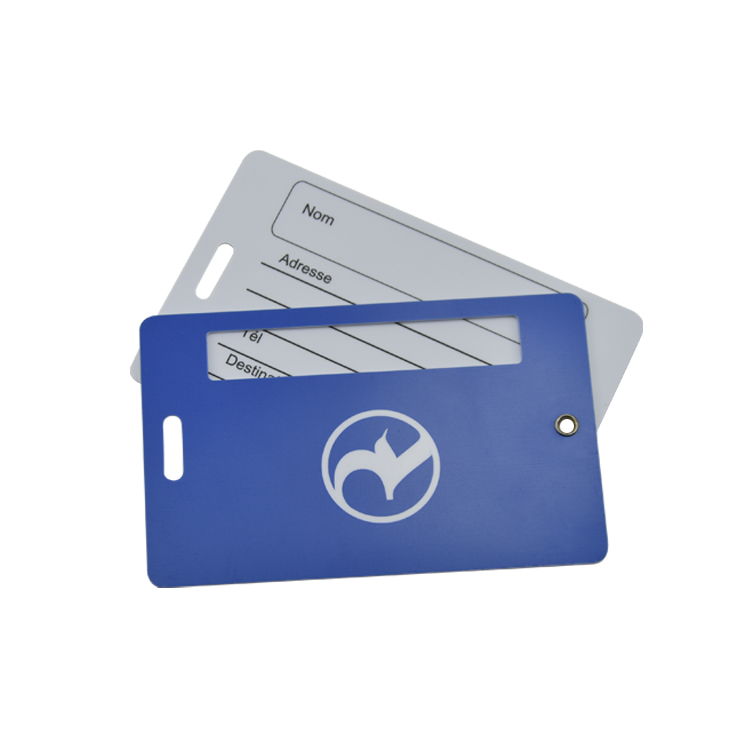
A custom airlines hard plastic PVC luggage tag is a durable identification tag manufactured from rigid PVC material and customized with airline branding, passenger information, barcodes, QR codes, loyalty program details, or promotional designs.
Unlike disposable paper luggage tags commonly used for short-term identification, hard PVC luggage tags are reusable and designed for long-term travel.
Typical components include:
- Hard PVC tag body
- Printed airline logo
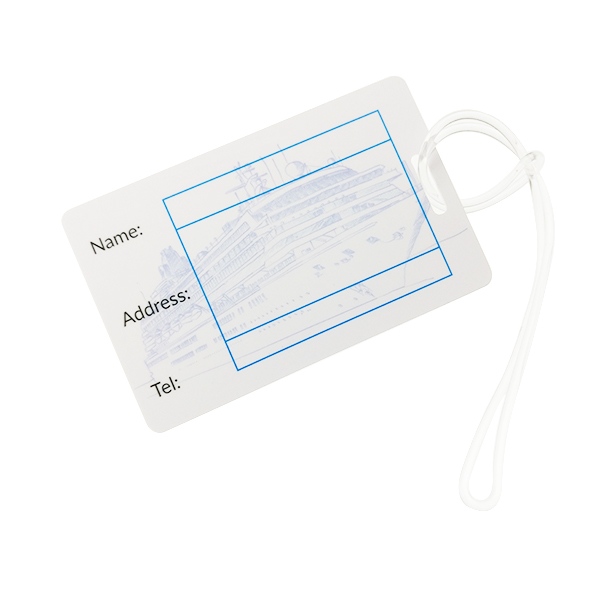
- Passenger identification area
- Barcode or QR code
- Transparent protective cover
- Adjustable strap or buckle
- Hole for attachment
Common specifications:
| Specification | Typical Range |
|---|---|
| Material | Hard PVC |
| Thickness | 0.5–1.5 mm |
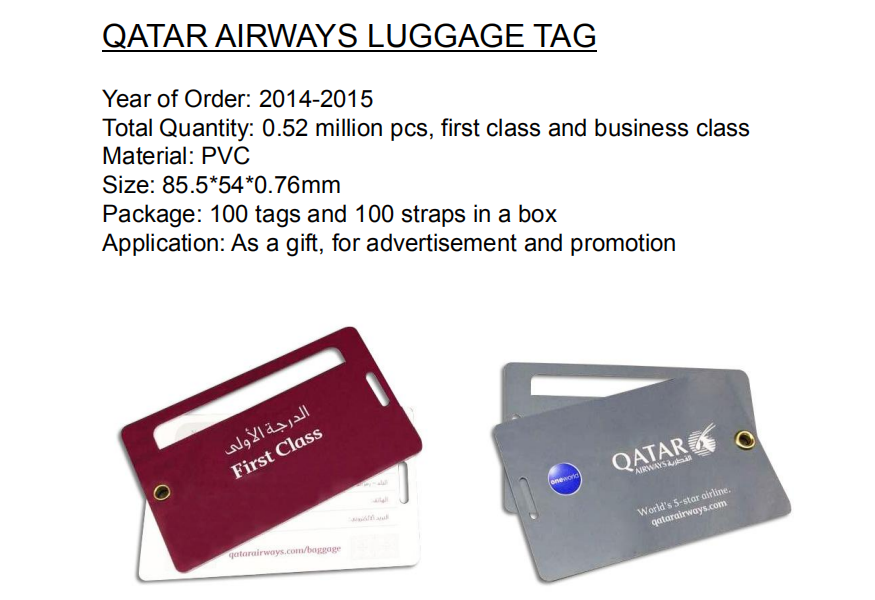
| Size | 70×100 mm, 85×54 mm, Custom |
| Printing | Offset, UV, Silk Screen |
| Finish | Matte, Gloss, Frosted |
| Attachment | PVC strap, buckle, loop |
| Lifespan | 3–5+ years |
Because PVC is waterproof, flexible, and resistant to daily wear, it is one of the most popular materials for airline luggage tags.
Plastic Luggage Tags are perfect for carry-on or checked bags. These suitcase tags can also be used for golf bag tags, wedding favors, softball bag tags, hockey bag tags, backpack tags and other personalized bag tags.
High-grade printing and manufacturing process provides you with full color customized plastic luggage tags made from hard-wearing PVC for durability and strength.
| Product | Customized Luggage Tag |
| Material | PVC , PET , PP , ABS etc |
| Size | CR80 85.5*54mm or customized |
| Thickness | 0.76mm or customized |
| Surface | Glossy / Matt / Frosted finished |
| Printing | CMYK offset printingSilk-screen printing(We prefer design of AI/PSD/PDF format) |



How Does a PVC Luggage Tag Work?
A hard plastic luggage tag works mainly through physical identification rather than electronic communication.
The basic working process includes:
Step 1: Passenger Identification
The airline or travel company prints important information on the tag, such as:
- Passenger name
- Contact information
- Membership number
- Booking reference
- QR code
Step 2: Tag Attachment
The luggage tag is attached securely to:
- Suitcases
- Travel bags
- Backpacks
- Business cases
using straps, buckles, or loops.
Step 3: Identification During Travel
Airport staff, hotel employees, or travelers can quickly identify luggage through visible information.
For advanced systems, QR codes or barcodes can connect the physical tag with digital databases.
Step 4: Tracking and Customer Service
If luggage is lost or misplaced, identification information helps staff contact the owner and improve recovery efficiency.
Advanced Smart Options
Some airlines combine PVC luggage tags with modern technologies, including:
- QR codes
- NFC chips
- RFID tags
- Bluetooth trackers
These options improve tracking capability and create a better passenger experience.
Why Airlines Choose Custom Hard PVC Luggage Tags
Strong Airline Branding
Every passenger carrying a branded luggage tag becomes a moving advertisement.
Custom printing allows airlines to showcase:
- Airline logo
- Corporate colors
- Slogan
- Loyalty program
- Premium services
Compared with ordinary paper tags, PVC tags remain visible throughout multiple trips.
Better Passenger Experience
A high-quality luggage tag creates a feeling of professionalism.
Premium passengers especially appreciate durable travel accessories because they represent the airline’s attention to detail.
Long-Term Reusability
Paper tags are often discarded after one trip.
Hard PVC luggage tags can be reused repeatedly, making them more environmentally friendly and cost-effective.
Improved Luggage Identification
Bright colors, unique designs, and customized graphics make bags easier to recognize on airport baggage belts.
This reduces passenger confusion and saves time.
Promotional Marketing Opportunities
Airlines can use luggage tags for:
- New route promotion
- Loyalty programs
- Corporate partnerships
- Event campaigns
- Tourism promotions
A luggage tag can continue promoting the brand long after the flight ends.
Custom PVC Luggage Tag Manufacturing Process
Professional manufacturers follow a structured production process.
Step 1: Design Development
Customers provide:
- Airline logo
- Brand guidelines
- Tag size
- Required information
- Artwork files
Manufacturers create digital proofs for approval.
Step 2: PVC Material Preparation
Hard PVC sheets are selected according to requirements.
Common options:
- Standard white PVC
- Transparent PVC
- Colored PVC
- Recycled PVC
Material quality directly affects durability and appearance.
Step 3: Printing
Common printing methods include:
Offset Printing
Best for:
- Large quantities
- Detailed graphics
- Accurate colors
UV Printing
Suitable for:
- Small orders
- Premium designs
- Fast production
Silk Screen Printing
Used for:
- Simple logos
- Special effects
Step 4: Lamination and Protection
Protective layers improve:
- Scratch resistance
- Water resistance
- Print durability
Step 5: Cutting and Shaping
Tags are cut into final shapes.
Options include:
- Rectangle
- Rounded rectangle
- Custom airline shapes
- Brand-specific designs
Step 6: Hole Punching and Strap Assembly
Manufacturers add:
- Attachment holes
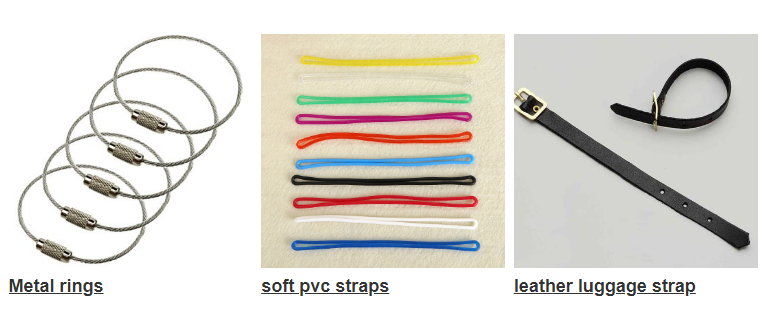
- Plastic straps
- Buckles
- Adjustable loops
The strap quality is important because it directly affects product reliability.
Step 7: Quality Inspection
Professional factories inspect:
- Printing quality
- Color accuracy
- Tag thickness
- Hole position
- Strap strength
- Surface defects
Large airline orders usually require strict quality standards.
Customization Options for Airline PVC Luggage Tags
Modern manufacturers offer extensive customization.
Printing Options
Available designs include:
- Full-color graphics
- Airline logos
- Destination themes
- Promotional messages
- Passenger information
Surface Finishes
Popular finishes include:
Gloss Finish
Creates bright colors and premium appearance.
Matte Finish
Provides a professional look and reduces fingerprints.
Frosted Finish
Creates a modern transparent effect.
Security Features
Additional options include:
- QR codes
- Barcodes
- Serial numbers
- Hidden information panels
- Scratch-off areas
Shape Customization
Brands can create unique shapes:
- Aircraft shape
- Wing shape
- Logo shape
- Destination icons
Creative designs improve brand recognition.
Application Environments
Airlines
The primary application.
Uses include:
- Passenger luggage identification
- VIP membership programs
- Frequent flyer gifts
- Promotional campaigns
Travel Agencies
Travel companies use custom luggage tags for:
- Group tours
- Corporate travel
- Holiday packages
Hotels and Resorts
Hotels provide luggage tags as:
- Welcome gifts
- VIP customer accessories
- Promotional products
Luggage Brands
Manufacturers attach branded tags to:
- Suitcases
- Travel bags
- Backpacks
to improve product presentation.
Corporate Events
Companies use luggage tags for:
- Business trips
- Conferences
- Employee gifts
- Promotional campaigns
Problems Solved by Hard PVC Luggage Tags
Lost Luggage Identification
Clear information improves the chance of recovering misplaced luggage.
Poor Brand Visibility
Generic luggage tags provide no marketing value.
Custom tags strengthen brand recognition.
Disposable Tag Waste
Paper tags are replaced frequently.
Reusable PVC tags reduce waste and replacement costs.
Similar-Looking Bags
Unique colors and designs help passengers quickly identify their luggage.
Low Customer Engagement
A useful travel accessory keeps the airline brand connected with passengers after travel.
PVC Luggage Tags vs Other Alternatives
PVC Tags vs Paper Luggage Tags
Paper tags:
Advantages:
- Low cost
- Easy printing
Disadvantages:
- Easily damaged
- Not reusable
- Poor premium feeling
PVC tags:
Advantages:
- Waterproof
- Durable
- Reusable
- Professional appearance
PVC Tags vs Leather Luggage Tags
Leather tags offer a luxury appearance but have disadvantages:
- Higher cost
- More difficult customization
- Sensitive to moisture
PVC tags provide better scalability for airline mass production.
PVC Tags vs Silicone Luggage Tags
Silicone tags are flexible and attractive but usually have higher production costs.
PVC tags offer:
- Better printing quality
- More detailed graphics
- Lower cost
PVC Tags vs RFID Smart Tags
RFID tags provide advanced tracking capabilities but require compatible infrastructure.
PVC tags remain popular because they are:
- Affordable
- Simple
- Universal
Many airlines combine both technologies.
Practical Experience from Airline Luggage Tag Projects
Based on years of working with plastic card and promotional product manufacturers, several lessons are important.
First, don’t focus only on the lowest unit price. Airline customers expect accessories to represent the brand quality. A cheap luggage tag with poor printing or weak straps can damage customer perception.
Second, strap quality is often overlooked. The tag body may be durable, but if the attachment strap breaks during baggage handling, the product fails.
Third, consider the printing method carefully. Airlines usually require accurate brand colors, especially for logos. Offset printing is often preferred for large-volume orders because of its consistency.
Fourth, always test samples before mass production. Check:
- Strap strength
- Print durability
- Tag flexibility
- Passenger usability
Finally, think about future digital upgrades. Adding QR codes or NFC options during production can make future smart travel programs easier to implement.
How to Choose a Reliable PVC Luggage Tag Manufacturer
Important factors include:
- Experience with airline projects
- High-quality PVC materials
- Professional printing equipment
- Custom design capability
- Strong quality control
- Strap and accessory testing
- OEM and ODM services
- Flexible production capacity
- International export experience
A reliable supplier should provide complete support from design development to final delivery.
Frequently Asked Questions
1. What material is used for airline luggage tags?
Most airline luggage tags use hard PVC because it is durable, waterproof, lightweight, and easy to customize.
2. What size is a standard luggage tag?
Common sizes include approximately 70×100 mm, although airlines can customize dimensions according to requirements.
3. Can airlines print their own logo on luggage tags?
Yes. Full customization is available, including logos, colors, slogans, and promotional graphics.
4. Are PVC luggage tags waterproof?
Yes. PVC materials provide excellent resistance against moisture and rain.
5. How long can a PVC luggage tag last?
High-quality PVC luggage tags can typically last 3–5 years or longer depending on usage conditions.
6. Can QR codes be added to luggage tags?
Yes. QR codes can link passengers to digital information, contact details, or tracking systems.
7. Can luggage tags include RFID or NFC chips?
Yes. Smart luggage tags can integrate RFID or NFC technology for advanced applications.
8. Are custom shapes available?
Yes. Manufacturers can produce custom shapes based on airline branding requirements.
9. What is the minimum order quantity?
MOQ depends on the manufacturer, design complexity, and customization requirements. Large-volume airline orders usually receive better pricing.
10. How do I choose a reliable luggage tag supplier?
Choose manufacturers with airline project experience, advanced printing technology, strong QC systems, and proven international production capability.
Conclusion
Custom Airlines Hard Plastic PVC Luggage Tags are more than simple travel accessories. They combine luggage identification, brand promotion, customer experience improvement, and long-term marketing value in one practical product.
For airlines, travel companies, hotels, and luggage brands, high-quality PVC luggage tags provide a durable alternative to disposable paper labels while creating valuable brand exposure throughout the passenger journey.
The success of a luggage tag project depends on choosing the right material, printing technology, attachment method, and manufacturing partner. By working with an experienced custom PVC luggage tag manufacturer, companies can create professional, durable, and memorable travel accessories that strengthen customer loyalty and enhance brand recognition worldwide.