August 13, 2026
As modern buildings increasingly adopt intelligent access control systems, Custom Door Access Control RFID Key Fobs have become one of the most reliable and convenient identification solutions. Compared with traditional metal keys, RFID key fobs provide contactless authentication, faster access, improved security, and simplified user management. They are widely used in residential communities, office buildings, hotels, schools, hospitals, factories, gyms, and parking facilities.
With customizable shapes, colors, logos, and RFID chip options, OEM RFID key fobs have become an essential product for security integrators, distributors, wholesalers, and access control system providers worldwide.
This guide explains what custom RFID key fobs are, how they work, the problems they solve, their applications, manufacturing process, available customization options, and why sourcing directly from an OEM manufacturer offers the greatest value.
What Are Custom Door Access Control RFID Key Fobs?
A Custom Door Access Control RFID Key Fob is a compact contactless identification device containing an RFID chip and antenna encapsulated inside a durable plastic, epoxy, silicone, ABS, PVC, leather, or metal housing. Instead of inserting a traditional key into a lock, users simply place the key fob near an RFID reader to gain authorized access.
Each RFID key fob contains a unique electronic identification number (UID) or encrypted data, allowing access control software to verify user permissions instantly.
Unlike conventional keys, RFID key fobs can be easily programmed, disabled, or reassigned without replacing physical locks, making them ideal for modern security systems.
How Does an RFID Door Access Key Fob Work?
RFID key fobs typically operate using passive RFID technology, meaning they require no internal battery.
The authentication process is straightforward:
- The RFID reader continuously generates an electromagnetic field.
- When the key fob enters the reading zone, its antenna receives energy from the reader.
- The embedded RFID chip becomes temporarily powered.
- The chip transmits its UID or encrypted authentication data.
- The access control software compares the information with its authorized database.
- If authentication succeeds, the system unlocks the door or activates the connected device.
The entire process usually takes less than one second, providing secure and convenient hands-free access.
Features & functions
Door Access Control RFID Key Fobs contains the MIFARE Classic 1K, which has a memory capacity of 1024 byte (NDEF: 716 byte) and can be encoded up to 100,000 times. According to the chipset manufacturer NXP data are stored at least for 10 years. This chip comes along with a 4 byte non-unique ID. Further information about this chip and other NFC chip types you can find here. We also provide you with a download of the technical documentation by NXP.
Door Access Control RFID Key Fobs of the Applications
These are a few examples for possible applications of the keyfob.
– Control access indoors and outdoors
– Record working times (e.g. on construction sites)
– Use this keyfob as a digital business card
| Material | ABS, PPS,Epoxy ect. |
| Frequency | 13.56Mhz |
| Printing Option | Logo printing, Serial numbers etc |
| Available Chip | Mifare 1k, Mifare 4k,NTAG213, Ntag215,Ntag216, etc |
| Color | Black, White, Green, Blue, etc. |
| Application | Access Control System |

Chip Option
ISO14443A | MIFARE Classic® 1K, MIFARE Classic® 4K |
| MIFARE® Mini | |
| MIFARE Ultralight®, MIFARE Ultralight® EV1, MIFARE Ultralight® C | |
| NTAG213 / NTAG215 / NTAG216 | |
| MIFARE ® DESFire® EV1 (2K/4K/8K) | |
| MIFARE® DESFire® EV2 (2K/4K/8K) | |
| MIFARE Plus® (2K/4K) | |
| Topaz 512 | |
ISO15693 | ICODE SLIX, ICODE SLI-S |
EPC-G2 | Alien H3, Monza 4D, 4E, 4QT, Monza R6, etc |
Door Access Control RFID Key Fobs are becoming increasingly popular for Access Control since these tags also provide the dual function of being a “Key Chain” for your own keys such vehicle, home, office, and other types.
RFID Mifare 1k Keyfob offer the convenience and safety of RFID technologies, they are the perfect solutions for organisations that require access control, attendance control, logistics and more. RFID Mifare 1k Door Access Control RFID Key Fobs are stylish and appealing, you can print a design of your choice on to these key fobs, creating a bespoke look for you and your organisation

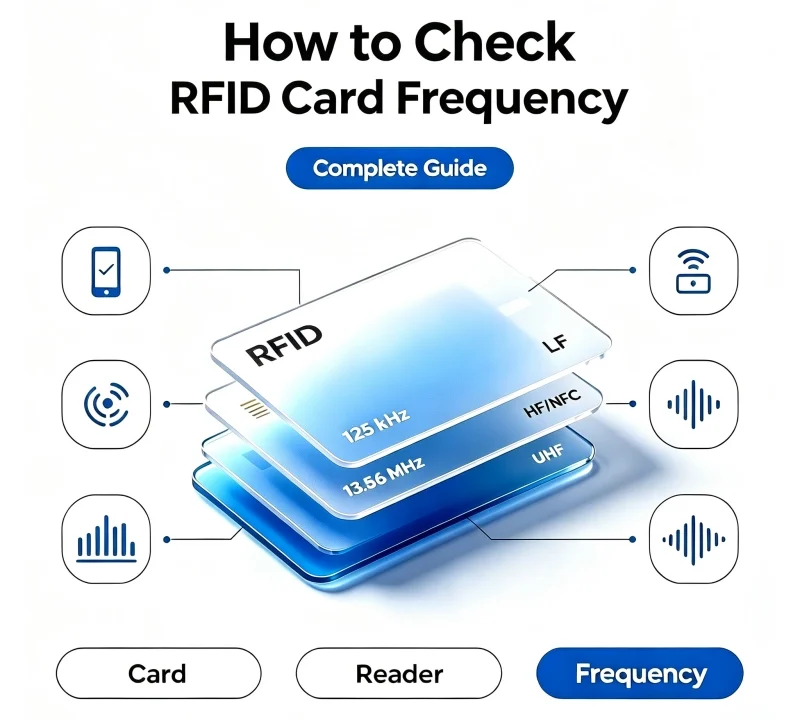
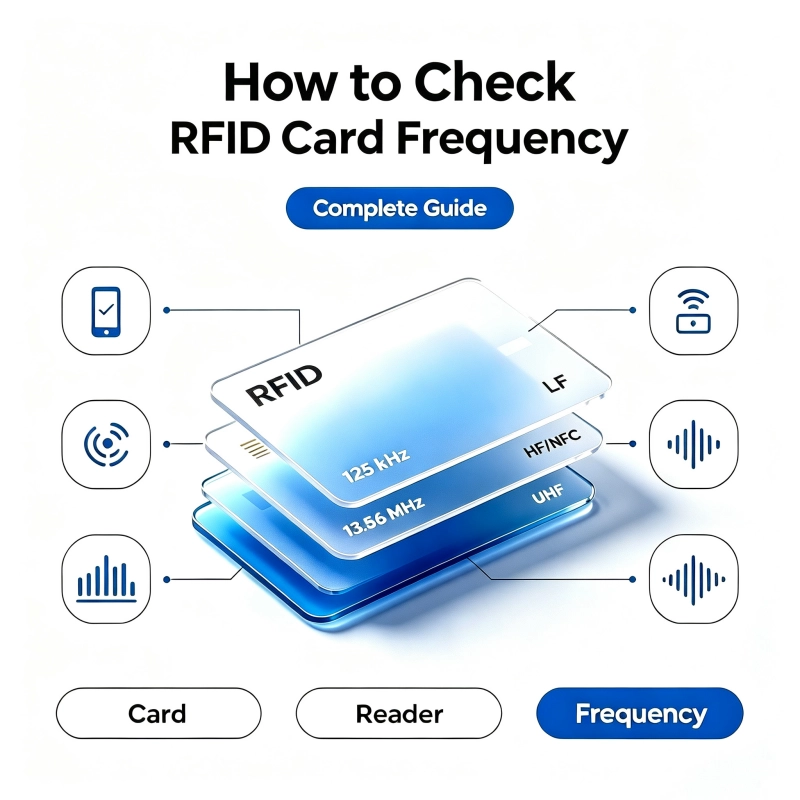
Common RFID Frequencies
Different access control systems require different RFID technologies.
Low Frequency (125 kHz)
Popular chip options include:
- EM4100
- TK4100
- EM4200
- T5577
- HID-compatible chips
Typical applications:
- Residential access
- Office attendance
- Parking systems
- Time recording
High Frequency (13.56 MHz)
Popular chips include:
- MIFARE Classic 1K
- MIFARE Ultralight EV1
- MIFARE DESFire EV3
- NTAG213
- NTAG215
- NTAG216
- ICODE SLIX
Typical applications:
- Smart buildings
- Campus cards
- Hotel systems
- Membership management
- NFC-enabled smartphone applications
The appropriate chip depends on compatibility, security requirements, storage capacity, and existing infrastructure.
Problems Solved by RFID Key Fobs
Eliminate Traditional Keys
Mechanical keys are easily lost, duplicated, or forgotten.
RFID key fobs simplify access with a quick tap and can be reissued electronically if needed.
Improve Security
Each RFID chip contains a unique identifier, and many advanced chips support encryption and authentication, making unauthorized duplication much more difficult than conventional keys.
Simplify User Management
Administrators can add, remove, or modify user permissions through software without changing locks or distributing new keys.
Faster Building Access
Employees, residents, and visitors can enter authorized areas instantly without searching for keys.
Lower Maintenance Costs
Electronic credential management reduces lock replacement expenses caused by lost keys.
Support Multi-Function Applications
One RFID key fob can serve multiple purposes, such as:
- Door access
- Elevator authorization
- Parking entry
- Employee attendance
- Cashless payment
- Membership identification
Common Applications
Residential Communities
Property managers use RFID key fobs for:
- Building entrances
- Apartment access
- Garage entry
- Community gates
Office Buildings
Employees use RFID credentials for:
- Main entrance
- Department access
- Meeting rooms
- Attendance recording
Hotels
Hotels issue RFID key fobs for:
- Guest room access
- Elevator authorization
- Swimming pool entry
- Fitness center access
Schools and Universities
Educational institutions use RFID key fobs for:
- Campus security
- Library borrowing
- Student attendance
- Laboratory access
- Dormitory management
Hospitals
Healthcare facilities deploy RFID key fobs for:
- Staff identification
- Restricted area access
- Equipment rooms
- Pharmaceutical storage
Factories
Industrial facilities use RFID systems to secure:
- Production workshops
- Warehouse entrances
- Office buildings
- Time attendance systems
Fitness Clubs
Members use RFID key fobs for:
- Gym entry
- Locker access
- Membership verification
- Beverage purchases
Parking Management
Vehicle owners use RFID key fobs for:
- Automatic gate opening
- Monthly parking authorization
- Visitor management
Manufacturing Process
Professional OEM manufacturers follow standardized production procedures to ensure quality, durability, and compatibility.
Step 1: Housing Material Preparation
Manufacturers select materials according to customer requirements, including:
- ABS plastic
- PVC
- Epoxy resin
- Silicone
- Leather
- Zinc alloy
- Stainless steel
- Eco-friendly recycled plastics
Each material offers different advantages in durability, appearance, and cost.
Step 2: RFID Inlay Production
The selected RFID chip is mounted onto a precision copper or aluminum antenna.
Every inlay undergoes electrical testing before assembly.
Step 3: Injection Molding
The RFID module is encapsulated inside the housing using precision injection molding equipment.
This process provides:
- Waterproof performance
- Dust resistance
- Impact resistance
- Long service life
Step 4: Surface Decoration
Customers may choose from various finishing techniques, including:
- Silk-screen printing
- UV printing
- Laser engraving
- Pad printing
- Epoxy coating
- Digital full-color printing
Step 5: Data Encoding
Each RFID key fob can be individually programmed with:
- UID registration
- Access permissions
- Employee numbers
- Member IDs
- Parking credentials
- Hotel room authorization
- Custom encryption keys
Bulk encoding ensures every key fob contains unique information.
Step 6: Quality Inspection
Every production batch is tested for:
- Reading distance
- Chip functionality
- Waterproof performance
- Housing strength
- Printing quality
- Data accuracy
- Serial number verification
Only products that pass all inspections proceed to packaging.
Customization Options
One of the greatest advantages of OEM manufacturing is complete product customization.
Shape
Manufacturers can produce numerous shapes, including:
- Round
- Oval
- Square
- Rectangle
- Teardrop
- Hexagon
- Cartoon characters
- Animal designs
- Custom die-cut shapes
Housing Material
Customers can choose:
- ABS
- PVC
- Silicone
- Leather
- Metal
- Epoxy-coated plastic
- Eco-friendly materials
Color
OEM factories support:
- Pantone color matching
- Solid colors
- Transparent finishes
- Metallic finishes
- Dual-color molding
Logo Personalization
Available branding methods include:
- Silk-screen printing
- Laser engraving
- UV printing
- Full-color digital printing
- Embossed logos
- Debossed logos
RFID Chip Selection
Popular chip options include:
- EM4100
- TK4100
- T5577
- HID-compatible chips
- MIFARE Classic 1K
- MIFARE DESFire EV3
- MIFARE Ultralight EV1
- NTAG213
- NTAG215
- NTAG216
- ICODE SLIX
The chip should be selected based on compatibility with the customer’s access control system.
Variable Data
Manufacturers can add:
- QR codes
- Serial numbers
- UID printing
- Barcodes
- Sequential numbering
- Asset identification
Packaging
OEM packaging options include:
- Individual polybags
- Retail blister packaging
- Printed backing cards
- Gift boxes
- Bulk export cartons
- Private-label packaging
Advantages of Purchasing from an OEM Manufacturer
Buying directly from an experienced RFID key fob manufacturer provides significant benefits:
- Competitive factory-direct pricing
- Wide selection of RFID chips
- Genuine integrated circuits from leading suppliers
- Strict quality control
- Fast prototype development
- Flexible minimum order quantities
- Complete OEM and ODM services
- Professional artwork assistance
- Stable production capacity
- Global export experience
Many manufacturers also provide chip encoding, UID management, and compatibility testing before shipment, helping customers deploy products quickly and reliably.
How to Choose the Right RFID Key Fob Supplier
Before placing a bulk order, buyers should evaluate:
- Chip authenticity
- Reader compatibility
- Housing durability
- Waterproof performance
- Printing quality
- Customization capability
- Encoding accuracy
- Production certifications
- Lead time
- Technical support and after-sales service
Requesting production samples is recommended to verify compatibility with your existing access control hardware and software.
Conclusion
Custom Door Access Control RFID Key Fobs offer a secure, durable, and user-friendly solution for modern access management. By replacing traditional mechanical keys with contactless RFID technology, organizations can improve security, simplify credential management, reduce maintenance costs, and enhance the overall user experience.
Working with a professional OEM manufacturer allows complete customization of the key fob’s shape, material, color, RFID chip, logo, encoding, and packaging. Whether you are supplying residential communities, commercial buildings, hotels, schools, hospitals, or industrial facilities, custom RFID key fobs provide a scalable and cost-effective solution for today’s intelligent access control systems.