September 14, 2026
Our customized plastic PVC NFC cards combine a durable card format with contactless NFC technology based on the MIFARE Ultralight EV1 platform. Designed for event ticketing, loyalty programs, access applications, promotions, identification, and other limited-use contactless applications, these cards can be customized with full-color printing, QR codes, serial numbers, logos, and encoded NFC data.
Available in PVC, PET, ABS, and PETG, the cards can be manufactured to standard card dimensions or customized according to your project requirements. We also support NFC data encoding, read-only locking, surface finishing, laser numbering, barcode printing, and gold or silver hot stamping.
1.PVC,ABS,PET,PETG etc
2. Available Chips:NXP NTAG213, NTAG215 and NTAG216, NXP MIFARE Ultralight® EV1,etc
3. SGS approved
Specification
| Item | Cashless Payment MIFARE Ultralight® NFC Card |
| Chip | MIFARE Ultralight® EV1 |
| Chip Memory | 64 bytes |
| Size | 85*54*0.84mm or customized |
| Printing | CMYK Digital/Offset printing |
| Silk-screen printing | |
| Available craft | Glossy/matt/frosted surface finish |
| Numbering: Laser engrave | |
| Barcode/QR Code printing | |
| Hot stamp: gold or silver | |
| URL,text,number,etc encoding/lock to read only | |
| Application | Event management, Festivel, concert ticket, Access control etc |

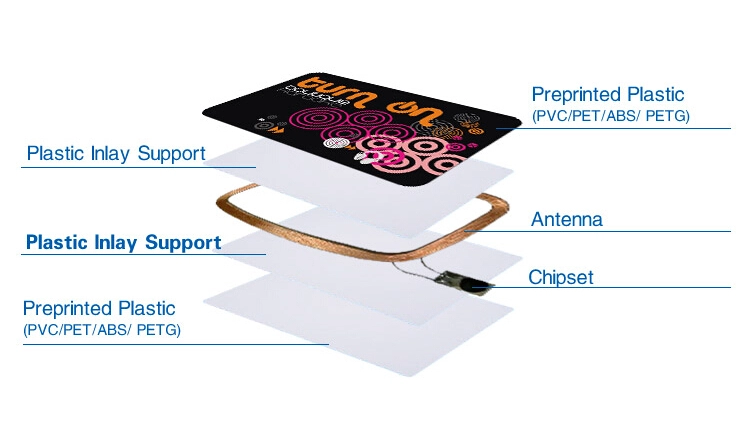
Standard size: 85.5*54*0.86 mm
Frequently used RFID chip for hotel key card: NXP MIFARE Classic® 1K (for guest) NXP MIFARE Classic® 4K (for staff) NXP MIFARE Ultralight® EV1,
Chip Options
| Chip Options | |
| ISO14443A | MIFARE Classic® 1K, MIFARE Classic ® 4K |
| MIFARE® Mini | |
| MIFARE Ultralight ®, MIFARE Ultralight ® EV1, MIFARE Ultralight® C | |
| Ntag213 / Ntag215 / Ntag216 | |
| MIFARE ® DESFire ® EV1 (2K/4K/8K) | |
| MIFARE ® DESFire® EV2 (2K/4K/8K) | |
| MIFARE Plus® (2K/4K) | |
| Topaz 512 | |
| ISO15693 | ICODE SLI-X, ICODE SLI-S |
| 125KHZ | TK4100, EM4200,EM4305, T5577 |
| 860~960Mhz | Alien H3, Impinj M4/M5 |
Remark:
MIFARE and MIFARE Classic are trademarks of NXP B.V.
MIFARE DESFire are registered trademarks of NXP B.V. and are used under license.
MIFARE and MIFARE Plus are registered trademarks of NXP B.V. and are used under license.
MIFARE and MIFARE Ultralight are registered trademarks of NXP B.V. and are used under license.
Why Choose MIFARE Ultralight EV1 for NFC Cards?
MIFARE Ultralight EV1 was developed for cost-effective, high-volume contactless applications. It is particularly suitable when a project requires a physical card with NFC functionality but does not require the large memory capacity or advanced cryptographic architecture of higher-end smart card platforms.
The chip supports fast contactless communication and includes features designed for limited-use ticketing and credential applications. NXP lists password protection, three independent 24-bit one-way counters, programmable locking functions, and an ECC-based originality signature among its security-related features.
This makes the technology suitable for applications where the card needs to identify a user, open a digital experience, validate a ticket, store a small amount of application data, or connect a physical card to an online service.

Customized PVC NFC Card Manufacturing
The NFC chip is only one part of a finished smart card. We manufacture the complete card according to your required appearance, material, dimensions, encoding, and personalization.
You can customize:
- Company or event logo
- Brand colors
- Product images
- QR codes
- Barcodes
- Serial numbers
- Customer IDs
- URLs
- NFC text or data
- Gold or silver hot stamping
- Glossy, matte, or frosted surfaces
- Custom packaging
For projects involving large quantities, we can also help coordinate card artwork, NFC encoding, numbering, and packaging so that the finished cards are ready for distribution.

PVC, PET, ABS and PETG Card Materials
Different applications may require different card materials. PVC is widely used for standard NFC cards because it provides a good balance between appearance, durability, print quality, and cost.
PET, ABS, and PETG can also be considered when a project has specific environmental, mechanical, or manufacturing requirements.
| Material | Typical Advantage | Suitable Applications |
|---|---|---|
| PVC | Cost-effective and easy to customize | Membership cards, event cards, promotional NFC cards |
| PET | Durable and flexible | Frequent-use cards and specialized applications |
| ABS | Good mechanical strength | More demanding card environments |
| PETG | Durable and recyclable option depending on specification | Sustainability-focused or specialty projects |
The final material should be selected according to the expected environment, card thickness, printing requirements, and production volume.
NFC Card Printing and Personalization
A customized NFC card can function as both a physical branding product and a digital communication tool.
We offer several personalization options, including CMYK digital printing, offset printing, and silk-screen printing. Surface treatments can be selected to achieve either a premium appearance or a practical everyday finish.
Laser engraving can be used for unique numbers or identification codes. QR codes and barcodes can be printed alongside the NFC function, giving users more than one way to access the same information.
For example, an event card can contain:
- A printed event logo.
- A unique serial number.
- A QR code for backup access.
- An NFC URL for smartphone interaction.
- A customized card design matching the event branding.
This combination can make one physical card useful across multiple touchpoints.
NFC Encoding Options
Before shipment, NFC cards can be encoded according to your application requirements.
Typical encoding options include:
- Website URLs
- Product information
- Contact information
- Identification numbers
- Short text
- Campaign links
- Registration pages
- Digital menus
- Landing pages
- Loyalty program identifiers
For simple marketing applications, an NFC card can open a URL when tapped with a compatible smartphone. For controlled applications, the NFC data structure can instead be integrated with a dedicated software platform.
Where appropriate, memory areas can also be locked to prevent further modification. The exact encoding and locking method should be confirmed with the required MIFARE Ultralight EV1 variant and your reader/application system.
NFC Card Security Features
MIFARE Ultralight EV1 provides several hardware features intended for limited-use contactless applications. NXP specifies a manufacturer-programmed 7-byte UID, a 32-bit OTP area, three independent one-way counters, programmable read-only locking, configurable password protection, and an ECC-based originality signature.
These features can be useful for applications where the card should not behave like a freely rewritable NFC tag.
However, security requirements vary considerably between applications. A basic promotional NFC card, an event ticket, a hotel credential, and a high-security access credential should not automatically use the same chip.
For applications requiring advanced cryptographic authentication, a different MIFARE product family may be more appropriate. NXP, for example, positions MIFARE Ultralight EV1 for limited-use applications, while other MIFARE families provide more advanced security architectures.
MIFARE Ultralight EV1 vs NTAG213, NTAG215 and NTAG216
NTAG213, NTAG215, NTAG216 and MIFARE Ultralight EV1 are all commonly used in 13.56 MHz NFC products, but they are not interchangeable in every application.
| Feature | MIFARE Ultralight EV1 | NTAG213 | NTAG215 | NTAG216 |
|---|---|---|---|---|
| Typical use | Ticketing, loyalty, limited-use credentials | NFC links, marketing | NFC applications with more data | NFC applications with larger data |
| Frequency | 13.56 MHz | 13.56 MHz | 13.56 MHz | 13.56 MHz |
| NFC ecosystem | ISO/IEC 14443 Type A | NFC Forum-oriented applications | NFC Forum-oriented applications | NFC Forum-oriented applications |
| Security features | Password protection, counters, originality features | Application-dependent | Application-dependent | Application-dependent |
| User memory | Variant dependent | Lower | Medium | Higher |
| Best fit | Controlled limited-use applications | Simple NFC tap experiences | Larger NFC content | Larger NFC content |
The best chip depends on the data structure, reader compatibility, security requirements, and software environment. For a simple “tap to open a website” application, an NTAG product may be sufficient. For limited-use ticketing or applications requiring counters and EV1-specific functions, MIFARE Ultralight EV1 may be a better technical fit.
MIFARE Ultralight EV1 vs MIFARE Classic
MIFARE Classic is widely used in access control and other RFID applications, while MIFARE Ultralight EV1 is positioned by NXP toward limited-use tickets, loyalty applications, and similar contactless credentials.
| Feature | MIFARE Ultralight EV1 | MIFARE Classic 1K / 4K |
|---|---|---|
| Main positioning | Limited-use contactless applications | Contactless applications with sector-based memory |
| Frequency | 13.56 MHz | 13.56 MHz |
| Memory architecture | Page-based | Sector/block-based |
| Typical applications | Tickets, loyalty, event access | Access control, membership and legacy systems |
| Security architecture | Password protection and originality features | Application-specific Classic security |
| Smartphone NFC | Depends on application and software | Compatibility depends on device/application |
The important point is compatibility. A card should not be selected only because it operates at 13.56 MHz. The chip type, memory organization, authentication method, reader, software, and existing infrastructure all need to match.
MIFARE Ultralight EV1 vs DESFire
For applications requiring more sophisticated multi-application functionality and stronger cryptographic security, MIFARE DESFire products may be considered instead.
| Requirement | Ultralight EV1 | DESFire Family |
|---|---|---|
| Limited-use ticketing | Suitable | Suitable |
| Simple loyalty applications | Suitable | Possible |
| Large data requirements | Limited | More suitable |
| Advanced cryptographic applications | Limited | More suitable |
| Multi-application architecture | Limited | Designed for multi-application use |
| Cost-sensitive high-volume cards | Strong fit | Depends on project |
| Simple NFC URL | Suitable | Usually unnecessary |
NXP describes MIFARE Ultralight EV1 as a solution for limited-use smart tickets and cards, while MIFARE DESFire is positioned as a multi-application platform.
Applications of Customized MIFARE Ultralight EV1 Cards
Event and Concert Tickets
Create branded NFC event cards that can be linked to ticket validation, registration, digital information, or event-related content.
The cards can include event artwork, serial numbers, QR codes, and NFC data in the same product.
Festival and Stadium Access
For festivals, exhibitions, and stadium events, NFC cards can provide a convenient contactless credential. The physical card can also become a souvenir or branded collectible after the event.
Loyalty Cards
A customized NFC loyalty card can connect customers with a loyalty platform, registration page, digital coupon, or membership portal.
The card design can be customized to match your brand and campaign.
Promotional NFC Cards
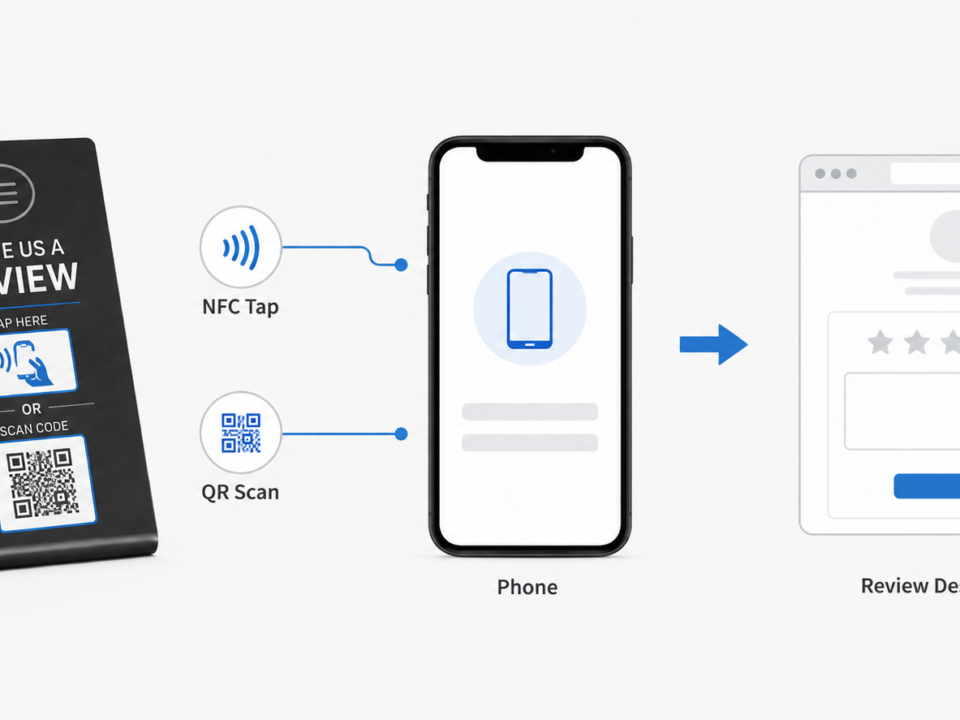
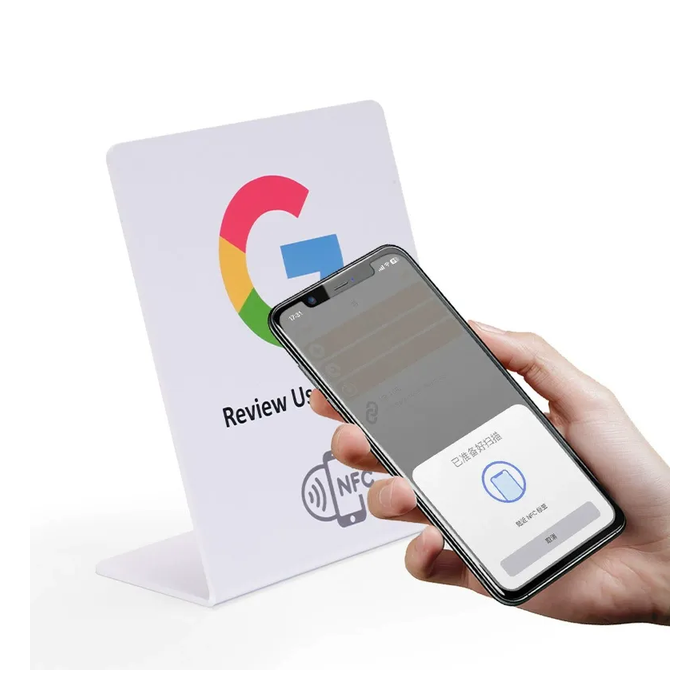
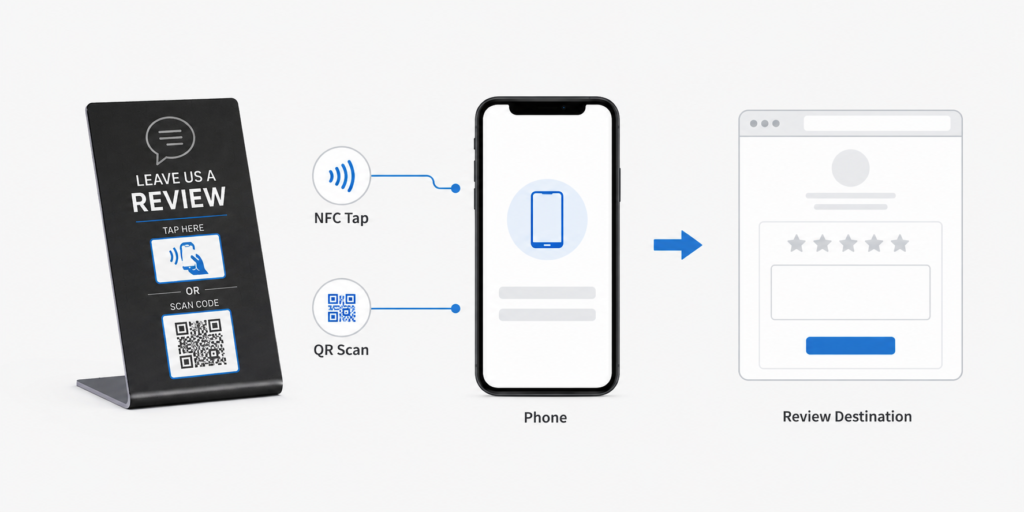
NFC cards can be used in marketing campaigns where customers tap the card to visit a product page, social media profile, campaign landing page, review page, or promotional website.
Access Applications
MIFARE Ultralight EV1 can be considered for certain access applications, provided that the card’s chip functions are compatible with the access-control system. Existing readers should always be tested before placing a large production order.
Standard and Custom Card Sizes
The standard card format is approximately 85.5 × 54 mm, similar to the familiar bank-card format. The product specification also supports a customized size of approximately 85 × 54 × 0.84 mm.
Custom dimensions can be discussed for applications where the card needs to fit a special holder, packaging, badge system, or product design.
Card thickness, antenna design, material, and printing requirements should be evaluated together because they can affect the final NFC performance.
Quality Control and NFC Testing
NFC card quality involves more than checking the printed surface. A finished card should also be checked for chip functionality, encoding accuracy, visual quality, and personalization consistency.
Typical quality-control items include:
- Card dimensions
- Surface and printing quality
- NFC chip response
- UID verification
- NFC data verification
- QR code readability
- Barcode readability
- Numbering accuracy
- Locking status where applicable
- Packaging quantity
For large projects, sample approval before mass production is recommended. This allows the customer to verify the card appearance and test compatibility with the actual NFC reader, smartphone, or software system.
Custom NFC Card Packaging
Standard packaging can be arranged according to production requirements. The current product specification lists 200 RFID cards per white box, with multiple boxes packed into an outer carton. Customized packaging is also available.
For branded campaigns, custom packaging can include printed boxes, labels, inserts, or other presentation materials.
Packaging quantities can be adjusted according to shipping requirements and project volume.

Normal package :200pcs rfid cards into white box .5 boxes /10boxes /15boxes into one carton.Customized Package based on your request.
How to Order Customized MIFARE Ultralight EV1 NFC Cards
To request a quotation, provide the following information:
- Required quantity
- Card material
- Card size and thickness
- Chip type and required memory configuration
- Artwork or logo
- Printing requirements
- NFC encoding requirements
- QR code or barcode requirements
- Numbering or personalization requirements
- Packaging requirements
- Delivery destination
If you are unsure which NFC chip is appropriate, provide your application details instead. We can compare the available chip options based on memory, compatibility, security requirements, and expected use.
Frequently Asked Questions
What is a MIFARE Ultralight EV1 card?
A MIFARE Ultralight EV1 card is a contactless card containing an NXP MIFARE Ultralight EV1 IC. It operates at 13.56 MHz and is designed for applications such as contactless tickets, loyalty cards, event credentials, and other limited-use applications.
Can MIFARE Ultralight EV1 cards be customized?
Yes. The physical card can be customized with logos, images, colors, QR codes, barcodes, serial numbers, surface finishes, and other printing or personalization options.
Can you encode NFC data before shipping?
Yes. Depending on the project, NFC cards can be encoded with URLs, text, numbers, or other supported data structures before shipment.
Can an NFC card be locked after encoding?
MIFARE Ultralight EV1 supports programmable read-only locking functions. The exact locking configuration should be confirmed during the order because locked memory cannot be freely modified afterward.
Can these cards work with smartphones?
MIFARE Ultralight EV1 operates using 13.56 MHz contactless technology, and compatible smartphones can interact with supported NFC applications. However, smartphone compatibility should be tested with the specific data format and application software before mass production.
Is MIFARE Ultralight EV1 suitable for hotel key cards?
It can be used in certain applications, but hotel locking systems have specific chip, reader, encryption, and software requirements. If the cards are intended to replace an existing hotel key card, provide the current lock or reader information before ordering.
What is the difference between NFC and RFID?
NFC is a short-range contactless technology based on high-frequency RFID standards and is commonly associated with smartphone interaction. RFID is a broader category that includes multiple frequencies, protocols, and applications.
What is the reading distance?
NXP specifies an operating distance of up to approximately 100 mm for MIFARE Ultralight EV1, depending on antenna geometry and reader configuration. Actual performance can vary according to the card construction and reader.
Can you print a QR code and use NFC on the same card?
Yes. Combining QR code and NFC functionality is common for marketing, ticketing, membership, and promotional applications. The QR code provides a visual scanning option while NFC provides contactless interaction.
Choose the Right NFC Card for Your Application
The right NFC card depends on more than the card’s appearance. Chip type, memory capacity, reader compatibility, security requirements, encoding method, material, thickness, and production quantity should all be considered before manufacturing.
MIFARE Ultralight EV1 is particularly relevant for limited-use contactless applications where fast communication, compact memory, personalization, and cost-effective production are important. NXP specifically identifies applications including public transportation, event ticketing, and loyalty.
If your application only requires a simple NFC URL, an NTAG chip may be sufficient. If you need larger memory, more advanced authentication, or a multi-application architecture, another MIFARE family may be more appropriate.
Send us your application, quantity, card design, and encoding requirements. We can help you confirm the appropriate NFC chip, card material, personalization method, and production specification before mass production.