October 21, 2026
Basic parameters | ||
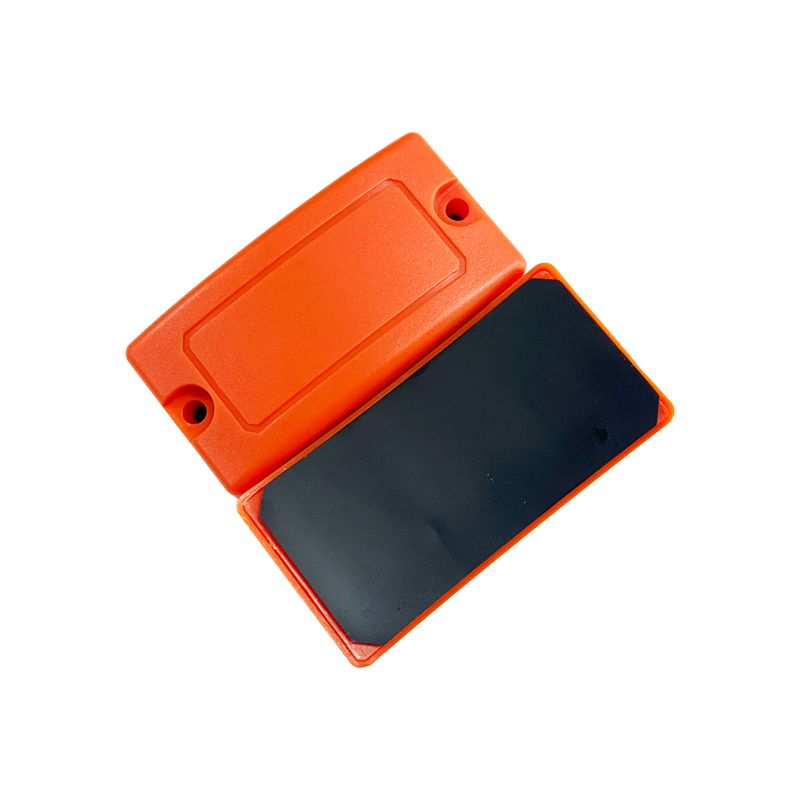
Model | DO-K15532 | |
Type | UHF RFID metal tag | |
Frequency | 860~960MHz | |
Standards/Protocols | EPC CLASS1 GEN2, ISO 18000-6C | |
Physical parameters | ||
Size | 155*32*3.5mm=6.10*1.26*0.14 inch | |
Outer Material | ABS | |
weight | 50G | |
Performance Parameters | ||
Memory Size | EPC 96 bits, User memory 512bits | |
Chip | Impinj M4QT/Alien Higgs3 | |
Fixture | R/W | |
Reading Distance | 20M(Related to reader performance and working environment) | |
Environmental parameters | ||
Operating Temp | -20℃~+50℃ | |
Storage Temp | -40℃~+100℃ | |
Specific applications | ||
Data storage | >10 years | |
Re-write: | 100,000 times | |
Customization | Company logo print | |
In modern industrial environments, tracking assets accurately and efficiently is essential for operational success. Manufacturers, logistics companies, energy providers, transportation operators, and construction firms manage thousands of metal assets every day. However, conventional RFID tags often perform poorly when attached directly to metal surfaces, resulting in reduced read range, unreliable data capture, and increased operational costs.
This challenge has led to the development of the Long Distance UHF RFID On-Metal Tag, a specialized RFID solution designed specifically for metal environments. These tags combine long-range reading capabilities with robust performance on metallic assets, enabling organizations to achieve real-time visibility, automation, and improved asset management.
This comprehensive guide explores what Long Distance UHF RFID On-Metal Tags are, how they work, their technical specifications, applications, advantages, limitations, and best practices for selecting the right tag for industrial projects.
What Is a Long Distance UHF RFID On-Metal Tag?
A Long Distance UHF RFID On-Metal Tag is a specialized Ultra High Frequency (UHF) RFID tag engineered to operate effectively when mounted directly on metal surfaces.
Unlike standard RFID tags, which often experience signal reflection and detuning when placed on metal, on-metal RFID tags are designed with insulating layers, specialized antennas, and optimized chip configurations that maintain reliable performance in metallic environments.
These tags typically operate within the EPC Gen2 / ISO 18000-6C standard frequency range:
- 860–960 MHz
- Passive UHF technology
- Long reading distance
- Designed for metal asset tracking
Commonly tracked assets include:
- Shipping containers
- Steel pallets
- Industrial machinery
- Oil and gas equipment
- Aircraft components
- Vehicles
- Metal tools
- Warehouse racks
Why Standard RFID Tags Fail on Metal
Understanding the problem helps explain why on-metal tags are so valuable.
Traditional RFID tags rely on electromagnetic coupling between the reader antenna and the tag antenna.
When attached to metal surfaces:
- Radio waves reflect unpredictably
- Antenna impedance changes
- Signal strength decreases
- Reading distance drops dramatically
- Data transmission becomes unreliable
In many cases, a standard RFID label that reads 10 meters in open air may become unreadable when attached to metal.
Long Distance UHF RFID On-Metal Tags solve this issue through specialized engineering.
How Long Distance UHF RFID On-Metal Tags Work
Reader Transmission
The UHF RFID reader transmits radio waves through an antenna.
Tag Activation
The RFID chip harvests energy from the reader signal.
Since most tags are passive, no battery is required.
Backscatter Communication
The tag reflects modulated radio signals back to the reader.
This process is known as backscatter communication.
Data Processing
The RFID reader decodes:
- EPC code
- Asset ID
- Serial number
- User memory data
The information is then transferred to asset management software.
Metal Isolation Technology
The key innovation lies in the tag structure.
Specialized components include:
- Ferrite layers
- Foam spacers
- Ceramic substrates
- Optimized antenna designs
- Shielding structures
These components isolate the antenna from metal interference.
Key Technical Specifications
| Parameter | Typical Value |
|---|---|
| Frequency | 860-960 MHz |
| Protocol | EPC Class 1 Gen2 |
| Standard | ISO 18000-6C |
| Read Range | 5-20 meters |
| Memory | EPC + User Memory |
| Mounting Surface | Metal |
| Operating Temperature | -40°C to +85°C |
| Protection Rating | IP67-IP68 |
| Material | ABS, PCB, Ceramic |
| Lifespan | 10+ years |
| Reading Speed | Hundreds of tags/second |
Components of an On-Metal RFID Tag
RFID Chip
The chip stores identification data and controls communication.
Popular chip options include:
- Impinj Monza Series
- NXP UCODE Series
- Alien Higgs Series
Specialized Antenna
The antenna is optimized to maintain performance near metal.
Protective Housing
Industrial-grade enclosures protect against:
- Water
- Dust
- Chemicals
- UV exposure
- Mechanical impact
Isolation Layer
A critical component that separates the antenna from the metal surface.
Main Types of Long Distance UHF RFID On-Metal Tags
ABS Encapsulated Tags
Features:
- Lightweight
- Waterproof
- Cost-effective
Applications:
- Warehouses
- Manufacturing plants
- Logistics operations
PCB On-Metal Tags
Features:
- High performance
- Compact size
- Excellent durability
Applications:
- IT asset tracking
- Tool management
- Electronic equipment
Ceramic RFID Tags
Features:
- Extreme temperature resistance
- Superior durability
Applications:
- Aerospace
- Oil and gas
- Heavy industry
Flexible On-Metal Tags
Features:
- Adaptable to curved surfaces
- Lightweight
Applications:
- Cylinders
- Pipes
- Industrial drums
Problems Solved by Long Distance UHF RFID On-Metal Tags
Asset Visibility Challenges
Many organizations struggle to locate assets quickly.
RFID provides:
- Real-time tracking
- Automated identification
- Instant asset visibility
Manual Inventory Errors
Traditional inventory processes often involve:
- Human errors
- Missing records
- Labor-intensive audits
RFID automates inventory collection.
Equipment Loss
High-value assets frequently disappear due to poor tracking systems.
RFID enables:
- Location monitoring
- Movement history
- Theft reduction
Maintenance Tracking Issues
Industrial equipment requires regular maintenance.
RFID helps manage:
- Inspection schedules
- Service history
- Compliance records
Warehouse Inefficiency
RFID improves:
- Receiving operations
- Picking accuracy
- Shipping verification
- Inventory audits
Major Applications
Manufacturing Industry
Manufacturers use on-metal RFID tags to track:
- Production equipment
- Tooling systems
- Metal workpieces
- Returnable transport items
Benefits include improved productivity and reduced asset loss.
Oil and Gas Industry
The oil and gas sector operates in harsh environments.
RFID tags monitor:
- Drilling tools
- Pipelines
- Pressure vessels
- Maintenance equipment
Logistics and Warehousing
Applications include:
- Container tracking
- Metal pallet management
- Warehouse automation
Aerospace Industry
Aircraft maintenance requires precise asset tracking.
RFID tags identify:
- Aircraft components
- Maintenance tools
- Safety equipment
Transportation and Railways
RFID enables monitoring of:
- Railcars
- Containers
- Maintenance equipment
Data Centers
IT asset tracking is increasingly important.
RFID tags help manage:
- Servers
- Network equipment
- Storage systems
Advantages of Long Distance UHF RFID On-Metal Tags
Long Reading Distance
One of the biggest advantages.
Typical ranges include:
- 5 meters
- 10 meters
- 15 meters
- Up to 20 meters under ideal conditions
No Line-of-Sight Required
Unlike barcode systems, RFID tags can be read without direct visual contact.
Simultaneous Tag Reading
Readers can identify hundreds of tags within seconds.
Reduced Labor Costs
Automated asset identification reduces manual work.
Enhanced Accuracy
RFID systems typically achieve inventory accuracy rates above 99%.
Durability
Industrial-grade tags withstand:
- Moisture
- Dust
- Vibration
- Extreme temperatures
Long Distance UHF RFID On-Metal Tag vs Barcode
| Feature | RFID On-Metal Tag | Barcode |
| Reading Distance | Up to 20m | Few centimeters |
| Line-of-Sight | Not Required | Required |
| Simultaneous Reading | Yes | No |
| Durability | Excellent | Moderate |
| Automation | High | Limited |
| Data Storage | Large | Small |
RFID clearly outperforms barcodes in industrial asset management.
Long Distance UHF RFID On-Metal Tag vs Standard RFID Tag
| Feature | On-Metal RFID | Standard RFID |
| Metal Compatibility | Excellent | Poor |
| Read Stability | High | Low on Metal |
| Industrial Usage | Ideal | Limited |
| Cost | Higher | Lower |
| Durability | Industrial Grade | Standard |
For metal assets, on-metal tags provide significantly better performance.
E-E-A-T Considerations for Industrial RFID Deployment
Google’s E-E-A-T framework emphasizes Experience, Expertise, Authoritativeness, and Trustworthiness. Organizations evaluating RFID technologies should prioritize suppliers that demonstrate these qualities.
Experience
Choose manufacturers with proven deployment experience in:
- Manufacturing
- Logistics
- Oil and gas
- Transportation
- Aerospace
Real-world implementation experience often determines project success.
Expertise
Look for suppliers that understand:
- RF engineering
- Antenna design
- Industrial automation
- RFID integration
Technical expertise helps ensure reliable performance.
Authoritativeness
Reliable RFID providers typically offer:
- ISO-certified manufacturing
- EPC Gen2 compliance
- Industry certifications
- Global customer references
Trustworthiness
A trustworthy supplier provides:
- Transparent specifications
- Performance testing data
- Quality assurance reports
- Long-term technical support
How to Select the Best Long Distance UHF RFID On-Metal Tag
Evaluate Read Range Requirements
Different applications require different reading distances.
Consider Environmental Conditions
Assess exposure to:
- Water
- Chemicals
- Heat
- UV radiation
- Mechanical impact
Determine Mounting Method
Common installation options include:
- Screws
- Rivets
- Adhesive backing
- Cable ties
Check Compatibility
Ensure compatibility with:
- Existing RFID readers
- Middleware platforms
- Asset management software
Review Total Cost of Ownership
Consider:
- Tag cost
- Installation cost
- Reader infrastructure
- Maintenance requirements
Future Trends
Several trends are shaping the future of industrial RFID.
Industry 4.0 Integration
RFID is becoming a key component of smart factories.
Digital Twin Technologies
RFID data feeds real-time digital asset models.
IoT Connectivity
RFID increasingly integrates with IoT platforms.
Predictive Maintenance
Asset data supports predictive maintenance strategies.
AI-Powered Analytics
Artificial intelligence uses RFID-generated data to optimize operations.
Conclusion
Long Distance UHF RFID On-Metal Tags have become essential tools for modern industrial asset management. By overcoming the traditional challenges associated with metal surfaces, these specialized RFID tags deliver reliable long-range identification, real-time visibility, and operational efficiency.
Whether deployed in manufacturing facilities, warehouses, transportation networks, oil and gas operations, or aerospace environments, on-metal RFID tags help organizations reduce labor costs, improve inventory accuracy, minimize asset loss, and support digital transformation initiatives.
As Industry 4.0, IoT, and smart asset management continue to expand, Long Distance UHF RFID On-Metal Tags will remain one of the most effective and trusted technologies for tracking valuable metal assets across complex industrial environments.

Do RFID is a leading China-based manufacturer with over 15 years of experience. We specialize in customized RFID readers, tags, and cards, delivering high-quality, tailored solutions that meet your unique business needs and drive seamless, efficient identification.