What Are RFID Pigeon Leg Rings?
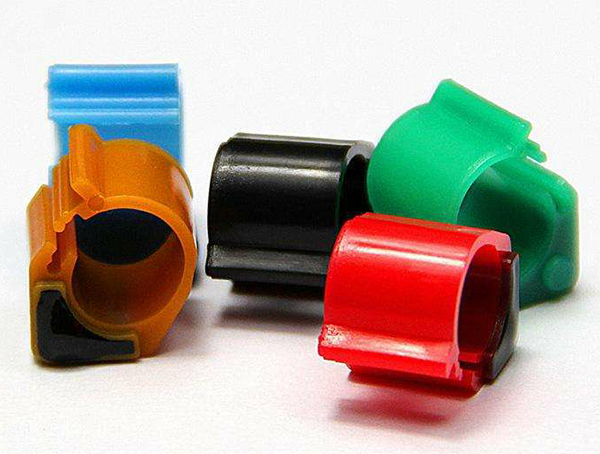
An RFID Pigeon Leg Ring is a reusable electronic leg band that contains an RFID chip and antenna encapsulated within a durable plastic ring. The ring is attached to a pigeon’s leg shortly after hatching and remains there throughout the bird’s life.
Each RFID ring stores a unique identification number that can be associated with detailed information, including:
- Bird identification
- Breed
- Hatch date
- Owner information
- Vaccination records
- Breeding history
- Racing performance
- Health records
- Movement history
Unlike visual leg bands, RFID rings can be read automatically by compatible RFID readers, eliminating the need to manually capture birds for identification.
How Do RFID Pigeon Leg Rings Work?
RFID pigeon rings operate using passive RFID technology, which requires no internal battery.
Step 1: RFID Reader Generates a Radio Signal
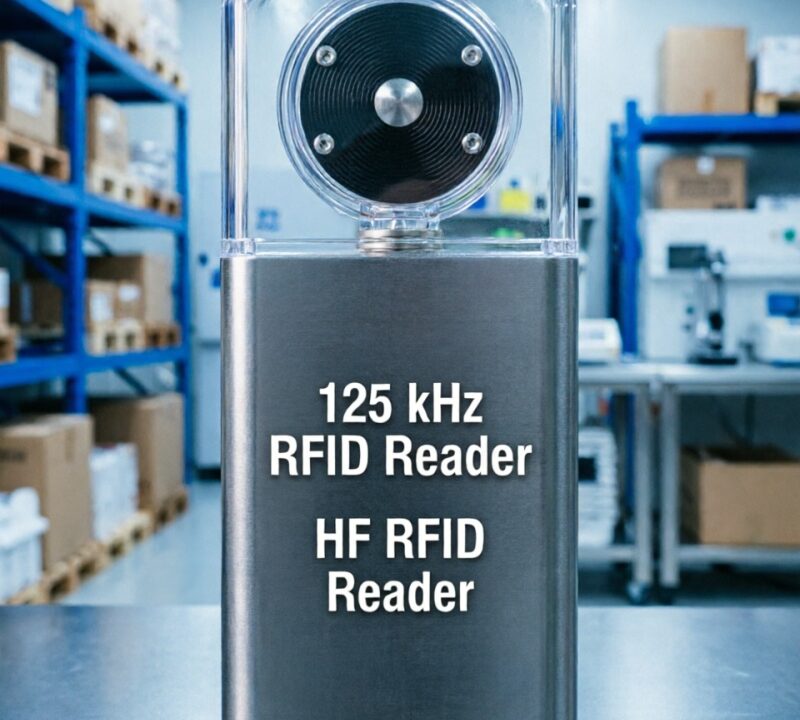
A handheld or fixed RFID reader emits electromagnetic waves at a specific frequency.
Depending on the application, the system may use:
- LF (125 kHz)
- LF ISO 11784/11785 (134.2 kHz)
- HF (13.56 MHz)
- UHF (860–960 MHz)
LF RFID is commonly used because it offers reliable performance around animals and in outdoor environments.
Step 2: RFID Chip Receives Energy
The passive RFID chip harvests energy from the reader’s electromagnetic field.
Step 3: Chip Activation
The integrated circuit becomes active and retrieves its stored identification number.
Step 4: Wireless Data Transmission
The antenna transmits the unique ID back to the RFID reader.
Step 5: Database Processing
The reader sends the identification number to management software, where the bird’s complete records can be displayed instantly.
The entire process usually takes less than one second.
Main Components
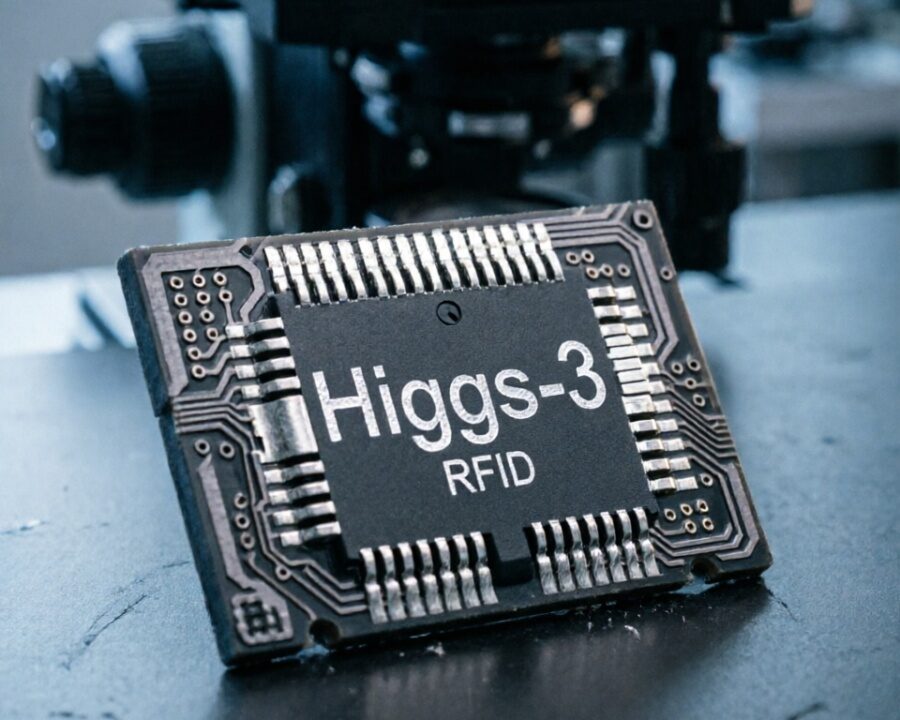
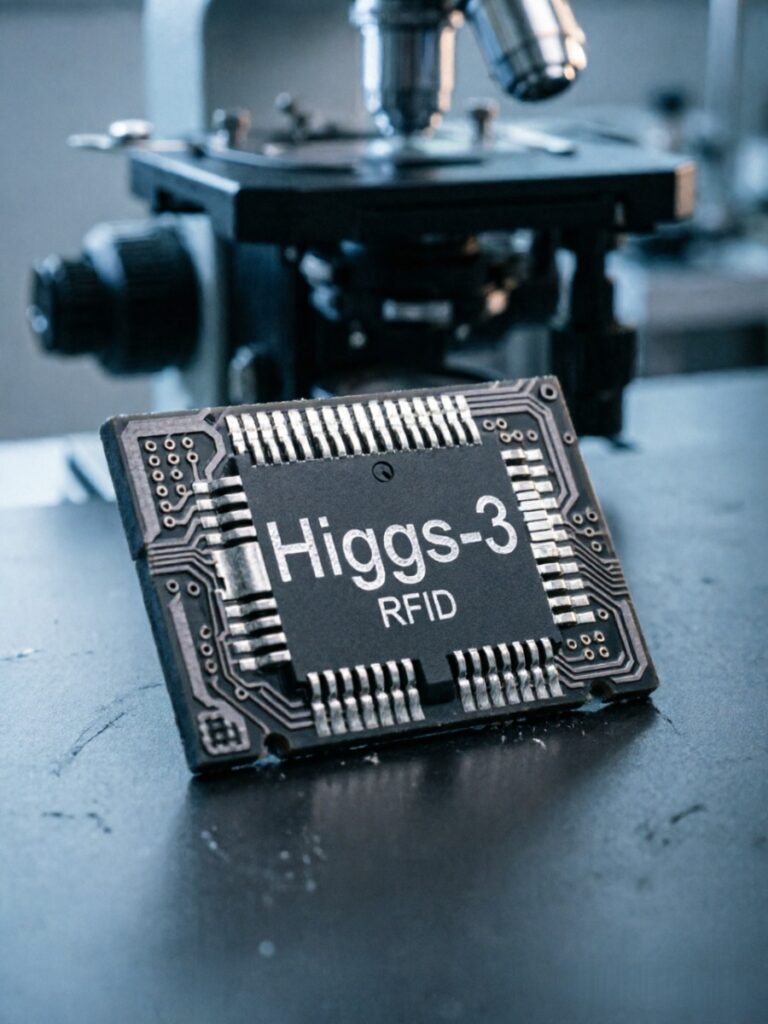
RFID Microchip
The RFID integrated circuit stores the bird’s permanent electronic identification number.
Depending on the model, memory may include:
- Read-only ID
- EPC memory
- User memory
- Password protection
Miniature Antenna
The antenna receives radio signals from the reader and transmits data back without requiring a battery.
Plastic Leg Ring
The outer housing is manufactured from durable engineering plastic that provides:
- Waterproof protection
- UV resistance
- Chemical resistance
- Impact resistance
- Long service life
Typical Specifications
| Parameter | Typical Specification |
|---|
| RFID Frequency | 125 kHz / 134.2 kHz / 13.56 MHz / 860–960 MHz |
| RFID Type | Passive RFID |
| Standards | ISO 11784/11785, ISO 15693, EPC Gen2 (depending on model) |
| Material | TPU, ABS, or Engineering Plastic |
| Ring Diameter | 8–12 mm |
| Waterproof Rating | IP67 / IP68 |
| Reading Distance | 5 cm–5 m (depends on frequency) |
| Operating Temperature | -30°C to +85°C |
| Expected Service Life | 10+ Years |
| Power Source | Battery-Free |
Actual specifications vary depending on the RFID chip and intended application.
Key Features
Modern RFID pigeon leg rings provide:
- Permanent electronic identification
- Lightweight construction
- Battery-free operation
- Waterproof design
- UV resistance
- Fast contactless scanning
- Unique digital ID
- Long service life
- Easy integration with management software
- High durability for outdoor use
Pain Points Solved by RFID Pigeon Leg Rings
Manual Identification Is Slow
Traditional numbered rings require handlers to catch each bird and read the printed number.
RFID enables automatic identification without manual inspection.
Record-Keeping Errors
Paper records and handwritten notes are prone to mistakes.
RFID automatically records bird identification and synchronizes data with digital management systems.
Difficult Race Timing
In pigeon racing, manually recording arrival times can be inaccurate.
RFID systems automatically detect birds as they pass through electronic timing stations, ensuring precise and objective race results.
Inefficient Breeding Management
Tracking parentage, hatch dates, and breeding performance becomes much easier when each bird has a unique electronic identity.
Disease Traceability
If disease outbreaks occur, RFID helps identify affected birds quickly and review movement and health records.
Inventory Management
Large breeding farms can rapidly verify bird numbers and improve flock management efficiency.
Applications
Pigeon Racing
RFID timing systems automatically record:
- Arrival times
- Race rankings
- Flight duration
- Competition results
This eliminates manual timing errors and improves fairness.
Breeding Farms
Breeders use RFID rings to monitor:
- Parentage
- Hatch dates
- Breeding performance
- Genetic records
- Production statistics
Poultry Farms
RFID technology can also support the management of:
- Quails
- Partridges
- Rare birds
- Specialty poultry
Veterinary Clinics
RFID simplifies patient identification and medical record management.
Wildlife Conservation
Researchers use RFID rings to monitor:
- Bird migration
- Population studies
- Habitat utilization
- Behavioral research
Universities and Research Institutions
Scientific studies benefit from accurate, long-term bird identification.
Advantages of RFID Pigeon Leg Rings
Permanent Identification
Each bird receives a lifelong electronic identity.
Contactless Reading
No physical handling is required for routine identification.
Improved Accuracy
Automatic scanning greatly reduces human error.
Labor Savings
Large numbers of birds can be identified quickly, reducing labor costs.
Better Data Management
RFID integrates seamlessly with farm management software, allowing centralized storage of breeding, health, and performance records.
Animal Welfare
Less handling reduces stress and lowers the risk of injury during identification.
RFID Leg Rings vs Traditional Numbered Leg Bands
| Feature | RFID Leg Ring | Traditional Ring |
|---|
| Automatic Identification | Yes | No |
| Contactless Reading | Yes | No |
| Digital Records | Yes | No |
| Manual Inspection | No | Yes |
| Data Accuracy | High | Moderate |
| Automation Support | Excellent | Limited |
RFID provides a more efficient and scalable solution, especially for farms or organizations managing hundreds or thousands of birds.
RFID Leg Rings vs QR Code Bird Bands
| Feature | RFID | QR Code |
|---|
| Line-of-Sight Required | No | Yes |
| Automatic Reading | Yes | No |
| Reading Speed | Very Fast | Manual |
| Outdoor Durability | Excellent | Moderate |
| Multi-Bird Identification | Yes | No |
QR code bands are economical but require each code to be scanned individually, making them less suitable for high-volume operations.
LF RFID vs UHF RFID Leg Rings
| Feature | LF RFID | UHF RFID |
|---|
| Frequency | 125/134.2 kHz | 860–960 MHz |
| Reading Distance | Short | Long |
| Reading Stability Near Animals | Excellent | Good |
| Multi-Tag Reading | Moderate | Excellent |
| Race Timing Applications | Excellent | Excellent |
| Cost | Lower | Higher |
LF RFID is widely used for pigeon identification due to its reliable performance around living animals, while UHF RFID is increasingly adopted in applications requiring longer reading distances and higher throughput.
Installation Process
Installing RFID pigeon leg rings is simple.
- Select the correct ring size according to the bird’s age and breed.
- Carefully place the ring over the bird’s foot before the leg becomes fully developed (typically within the first few weeks after hatching).
- Ensure the ring rotates freely without causing discomfort.
- Scan the RFID chip to verify readability.
- Register the identification number in the management system.
Correct installation ensures long-term comfort and reliable identification.
Best Practices for Smart Bird Management
To maximize the value of RFID technology:
- Use standardized RFID readers compatible with your tag type.
- Register each bird immediately after tagging.
- Back up management data regularly.
- Perform routine reader calibration.
- Inspect rings periodically for damage.
- Integrate RFID data with breeding, vaccination, and racing software.
Following these practices improves operational efficiency and long-term data integrity.
Future Trends in RFID Bird Identification
RFID technology continues to evolve with advances in precision livestock management. Emerging trends include:
- Smaller and lighter RFID rings for improved comfort.
- Higher-sensitivity RFID chips for faster reading.
- Cloud-based flock management platforms.
- AI-powered breeding and performance analysis.
- Mobile applications for on-site bird identification.
- Integration with IoT sensors for environmental monitoring.
- Enhanced traceability systems supporting animal health and regulatory compliance.
These innovations are helping breeders and animal husbandry professionals make better decisions while reducing labor and improving productivity.
Conclusion
RFID Pigeon Leg Rings are transforming bird identification and animal husbandry by providing a permanent, accurate, and contactless method of managing individual birds. Compared with traditional numbered bands, RFID technology enables automated identification, digital record management, improved breeding control, precise race timing, and enhanced disease traceability.
Whether used in pigeon racing, commercial breeding farms, veterinary clinics, wildlife conservation, or research institutions, RFID leg rings deliver significant advantages in efficiency, data accuracy, and animal welfare. Their battery-free design, durable construction, and compatibility with modern livestock management systems make them a cost-effective investment for organizations seeking smarter and more efficient bird management.
As digital agriculture and precision livestock farming continue to advance, RFID pigeon leg rings will remain a key technology for improving traceability, productivity, and operational performance across the global animal husbandry industry.