September 14, 2026
TM Key Card DS1990 iButton 1990A-F5 RW1990: Complete Guide to Secure Access Control Solutions, Working Principle, Applications, and Buying Tips
The TM Key Card DS1990 iButton 1990A-F5 RW1990 is one of the most reliable electronic identification solutions used in access control, electronic door locks, elevator systems, security patrol management, and industrial equipment authentication. Known for its rugged stainless-steel construction, battery-free operation, and dependable 1-Wire communication technology, it has been widely adopted in residential, commercial, and industrial security systems worldwide.
For access control equipment manufacturers, distributors, security system integrators, and OEM brands, understanding the differences between DS1990A, RW1990, and 1990A-F5 is essential when selecting compatible identification devices. This guide explains what TM key cards are, how they work, where they are used, the problems they solve, applicable industry standards, and how they compare with RFID, NFC, and other electronic credential technologies.
What Is a TM Key Card DS1990 iButton 1990A-F5 RW1990?
A TM Key Card, often referred to as a Dallas iButton, is a compact electronic identification device that communicates through the 1-Wire protocol using direct metal contact instead of radio frequency.
Unlike RFID cards or NFC tags, an iButton requires physical contact with a compatible reader to exchange data. This design provides stable communication, excellent resistance to electromagnetic interference, and exceptional durability.
The device typically consists of:
- RW1990A-F5 programmable chip
- Stainless steel iButton package
- Silicon integrated circuit
- Metal contact surface
- ABS or PVC key holder (optional)
The DS1990A is the original Dallas Semiconductor serial-number iButton, while the RW1990 and 1990A-F5 are widely used compatible programmable alternatives that can support many legacy access control systems.
Typical specifications include:
| Specification | Details |
|---|---|
| Chip | RW1990A-F5 |
| Compatible With | DS1990A |
| Communication Protocol | 1-Wire |
| Operating Mode | Contact Identification |
| Programming | Read/Write (Programmable) |
| Housing | Stainless Steel |
| Operating Temperature | -40°C to +85°C |
| Contact Life | More than 1,000,000 Touches |
| Waterproof | Excellent |
| Power Supply | No Battery Required |
Its robust metal enclosure allows reliable operation even in harsh industrial environments.
TM key card ds1990 ibutton 1990a-f5 ibutton rw1990
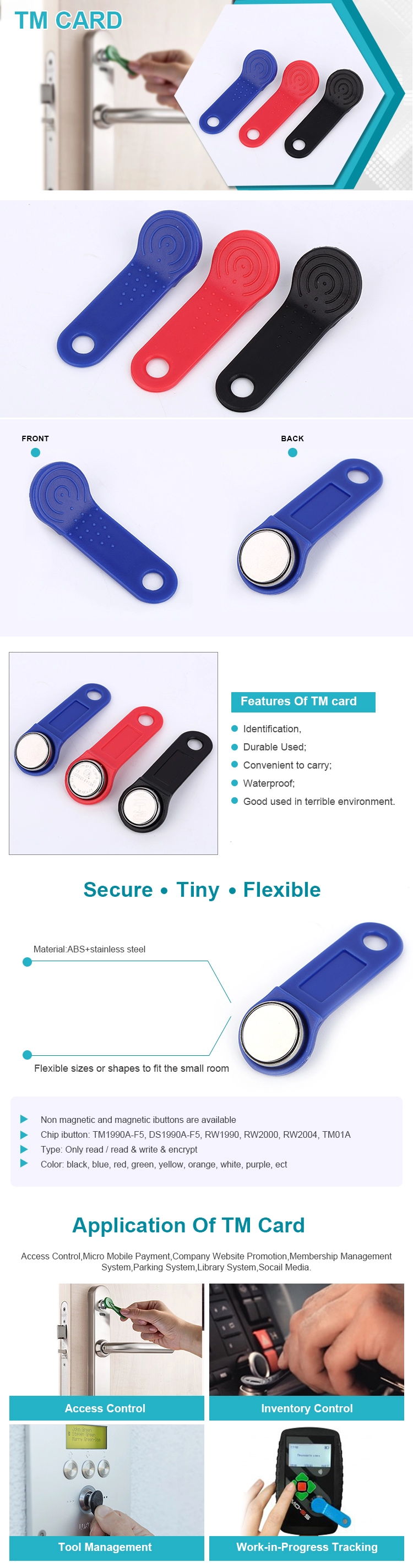
Product Parameter
| Item | TM key card ds1990 ibutton 1990a-f5 ibutton rw1990 |
| Material | ABS , Stainless Steel |
| Size | ibutton size: 17mm*6mm |
| Color | Red, green, blue, yellow, black, etc |
| Working Temperature | -40 ~ +85 degree |
| Read-Write Method | Contact |
| Memory | 64 bits |
| ID number | Engraved |
| Chip | RW1990A, RW1990B, DS1990A, TM1990-F5 |
| Application | Intelligent Community, Postal Service, Railway St, etc. |

What is TM key card ds1990 ibutton ?
—- An iButton is a computer chip which is enclosed in a 16mm thick durable weather resistant
stainless steel can. Because of their small size and extreme durability, iButtons can travel virtually anywhere.
How does an TM key card ds1990 ibutton communicate?
The iButton is a slave device and requires a master to initiate communication to it. A master can be a PC or a micro processor. With the master constantly polling the iButtons, communication to iButtons can be started by a simple touch to a 1-Wire interface called a Blue Dot Receptor. Every iButton has a unique 64-bit serial number, which gives it a unique 1-Wire network address.
What are TM key card ds1990 ibuttons being used for?
iButtons are frequently attached to key fobs, rings, watches, or other personal items for applications such as access control to buildings and computers. Additionally, iButtons are commonly mounted to storage crates, trucks, and other equipment for asset management. Furthermore, iButtons are mounted to refrigeration units, outdoor environments, and even to animals for various data logging tasks

How Does the TM Key Card Work?
The TM Key Card operates using the Dallas 1-Wire communication protocol.
The authentication process includes the following steps:
- The user touches the TM key to a compatible reader.
- Electrical contact is established between the reader and the stainless-steel housing.
- The reader supplies power through the communication interface.
- The RW1990 chip transmits its unique identification number or programmed data.
- The controller compares the credential with the authorized database.
- If the authentication is successful, the connected system grants access or performs the assigned function.
Because communication occurs through direct contact, transmission remains stable even in environments where radio-frequency interference may affect wireless technologies.
Main Applications
Building Access Control
TM Keys are widely used in residential and commercial access control systems.
Typical installations include:
- Apartment buildings
- Office entrances
- Factories
- Warehouses
- Schools
- Hospitals
- Hotels
Users simply touch the key to the reader to unlock authorized entrances.
Electronic Door Locks
Electronic lock manufacturers integrate DS1990-compatible readers into:
- Residential smart locks
- Industrial cabinet locks
- Equipment enclosures
- Utility cabinets
The stainless-steel construction ensures long service life under frequent use.
Elevator Access Management
Many residential communities use TM Keys to authorize elevator floor access, improving building security while restricting unauthorized entry.
Security Guard Patrol Systems
Security companies install iButton checkpoints throughout facilities.
During patrols, guards touch each checkpoint with a handheld reader to record:
- Inspection time
- Patrol route
- Checkpoint location
- Attendance records
This creates an accurate digital audit trail.
Employee Attendance
Businesses use TM Keys for attendance systems, automatically recording employee arrival and departure times.
Industrial Equipment Authorization
Factories often require operators to authenticate before activating production equipment, reducing unauthorized use and improving workplace safety.
Problems Solved by TM Key Cards
Replacing Mechanical Keys
Traditional keys can be copied, lost, or damaged. Electronic TM Keys simplify credential management and improve overall security.
Improving Authentication Accuracy
Each iButton contains a unique programmable identifier, reducing the risk of duplicate credentials and manual identification errors.
Reducing Maintenance Costs
With no internal battery and a durable stainless-steel enclosure, TM Keys require virtually no routine maintenance.
Reliable Performance in Harsh Environments
The metal housing provides excellent resistance to:
- Dust
- Water
- Oil
- Vibration
- Mechanical impact
- Temperature fluctuations
These characteristics make TM Keys well suited for industrial applications.
Simplifying Credential Management
Administrators can authorize, replace, or deactivate user credentials without replacing locks or modifying hardware.
International Standards and Compliance
Professional TM Key products are manufactured according to internationally recognized quality standards.
Dallas 1-Wire Communication Protocol
The 1-Wire interface enables both communication and power delivery through a single contact line, ensuring compatibility with supported readers.
ISO 9001
Manufacturing facilities often implement ISO 9001 quality management systems to maintain consistent product quality.
CE Compliance
Products supplied to European markets typically comply with relevant CE requirements.
RoHS Compliance
RoHS compliance limits hazardous substances in electronic components.
REACH Compliance
Many manufacturers also comply with REACH regulations governing chemical safety.
Quality inspections generally include:
- Contact resistance testing
- Read/write verification
- High-temperature testing
- Low-temperature testing
- Salt spray testing
- Mechanical durability testing
OEM Customization Options
Professional manufacturers provide flexible OEM and ODM services.
Chip Programming
Options include:
- Blank chips
- Customer-defined serial numbers
- Batch programming
- Read/write configuration
- Project-specific encoding
Key Holder Design
Available materials include:
- ABS
- PVC
- Silicone
- Leather
- Zinc alloy
Logo Customization
Manufacturers support:
- Laser engraving
- UV printing
- Silk screen printing
- Pad printing
Color Selection
Customers may choose:
- Standard colors
- Pantone matching
- Transparent housings
- Custom molded colors
Packaging
OEM packaging services include:
- Individual poly bags
- Retail blister packs
- Barcode labels
- Private-label packaging
Competitive Analysis
Different identification technologies offer distinct advantages depending on system requirements.
| Feature | TM Key DS1990/RW1990 | RFID Key Fob | NFC Tag | MIFARE Card |
| Communication | 1-Wire Contact | Contactless RFID | NFC | Contactless RFID |
| Battery Required | No | No | No | No |
| Industrial Durability | Excellent | Good | Moderate | Good |
| Waterproof | Excellent | Good | Good | Good |
| Smartphone Compatible | No | No | Yes | Limited |
| Access Control | Excellent | Excellent | Moderate | Excellent |
TM Key vs RFID Key Fob
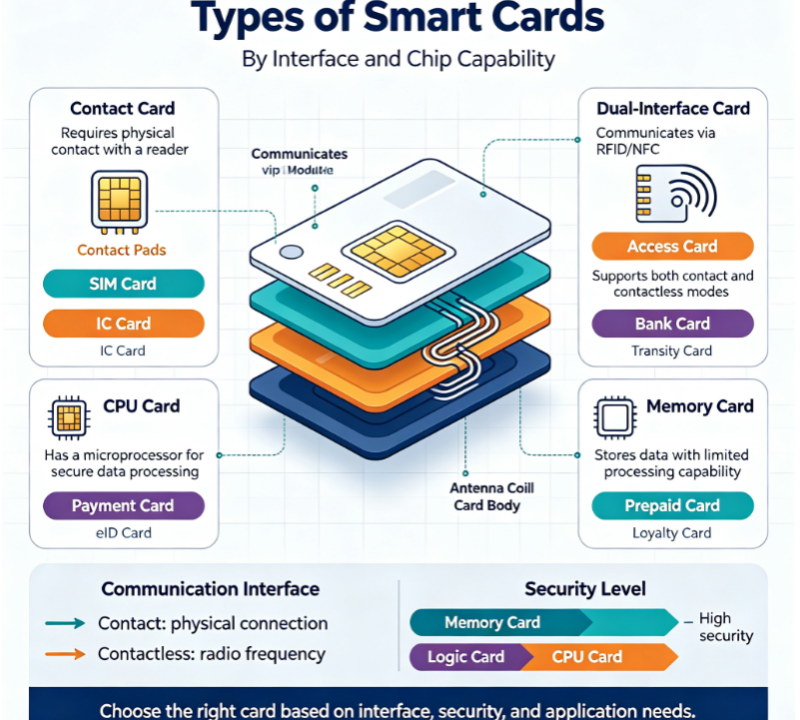
RFID key fobs provide contactless convenience and faster throughput for busy entrances. TM Keys, however, offer stable contact-based communication and exceptional durability, making them ideal for industrial facilities and legacy access control systems.
TM Key vs NFC Tags
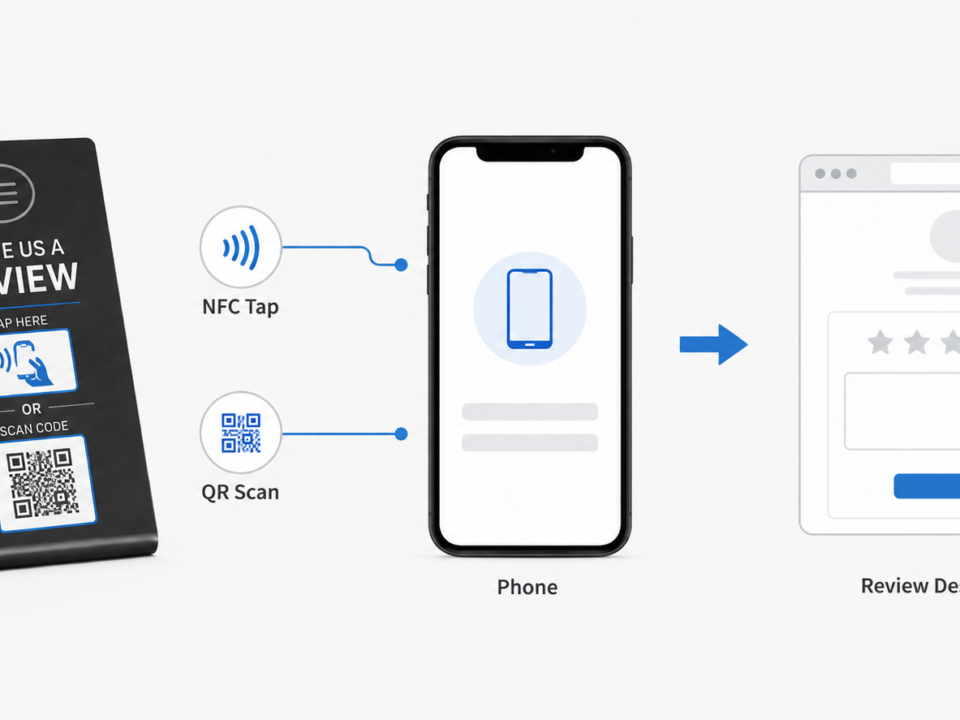
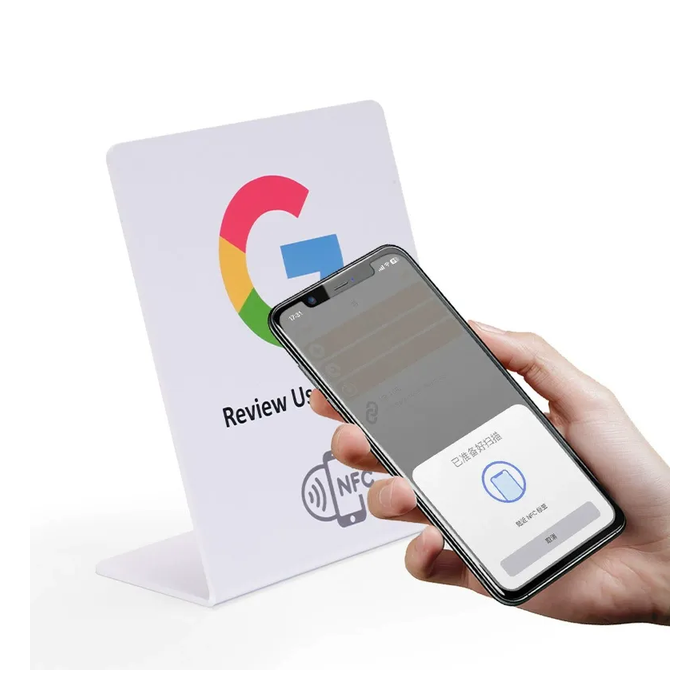
NFC tags are primarily designed for smartphone interaction, digital business cards, and marketing applications. TM Keys are purpose-built for secure access control, patrol management, and equipment authentication.
RW1990 vs DS1990A
The DS1990A is the original read-only serial-number iButton introduced by Dallas Semiconductor (now part of Analog Devices). The RW1990A-F5 is a programmable compatible device commonly used in compatible systems where authorized configuration or replacement of identification numbers is required, subject to system security policies and applicable laws.
Why Choose a Professional OEM Manufacturer?
Purchasing directly from an experienced manufacturer provides several benefits:
- Factory-direct pricing
- Stable chip sourcing
- Strict quality inspection
- OEM and ODM services
- Custom programming
- Private-label branding
- Fast sample production
- Global export experience
- Technical support before and after sales
Professional suppliers can also provide matching readers, software development support, and complete access control solutions.
Conclusion
The TM Key Card DS1990 iButton 1990A-F5 RW1990 continues to be a dependable electronic credential for access control, electronic locks, elevator management, patrol systems, attendance tracking, and industrial equipment authorization. Its rugged stainless-steel design, battery-free operation, reliable 1-Wire communication, and compatibility with many DS1990A-based systems make it an excellent choice for long-term commercial and industrial use.
Compared with traditional keys, RFID cards, and NFC credentials, TM Keys deliver superior durability, consistent communication, and low maintenance costs. By partnering with a professional OEM manufacturer, distributors and security system integrators can obtain high-quality, customizable TM Key products that meet international quality standards while supporting reliable and scalable access control solutions.