October 21, 2026
With RFID technology, an animal identification and traceability system has been developed, primarily for monitoring animal breeding, transportation, and slaughter. When the outbreak, can be back to animal breeding process. The health sector can use the system for possible infectious diseases with traces of animals, to determine their ownership and historical traces. At the same time, a system to slaughter animals from birth to provide instant, detailed, and reliable data.
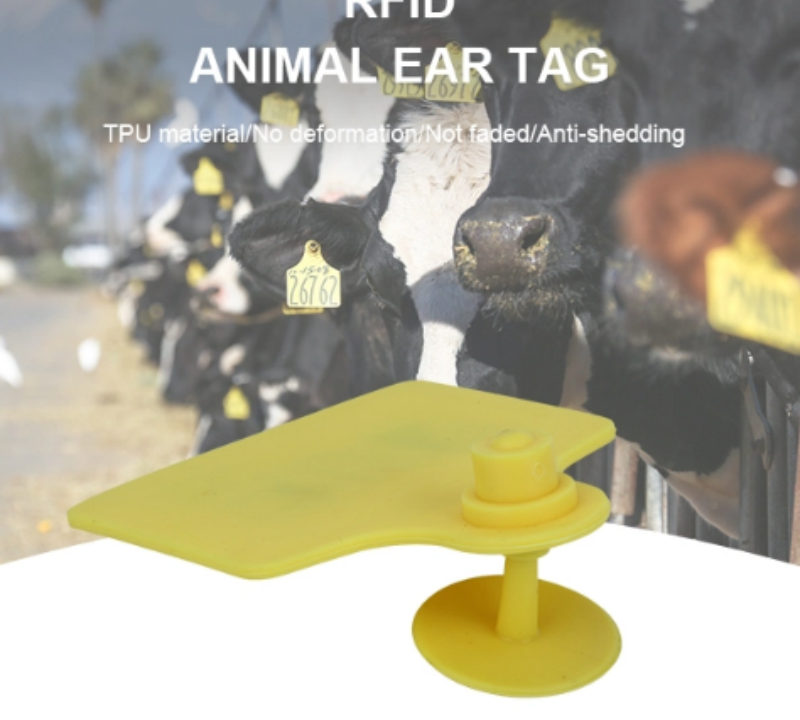
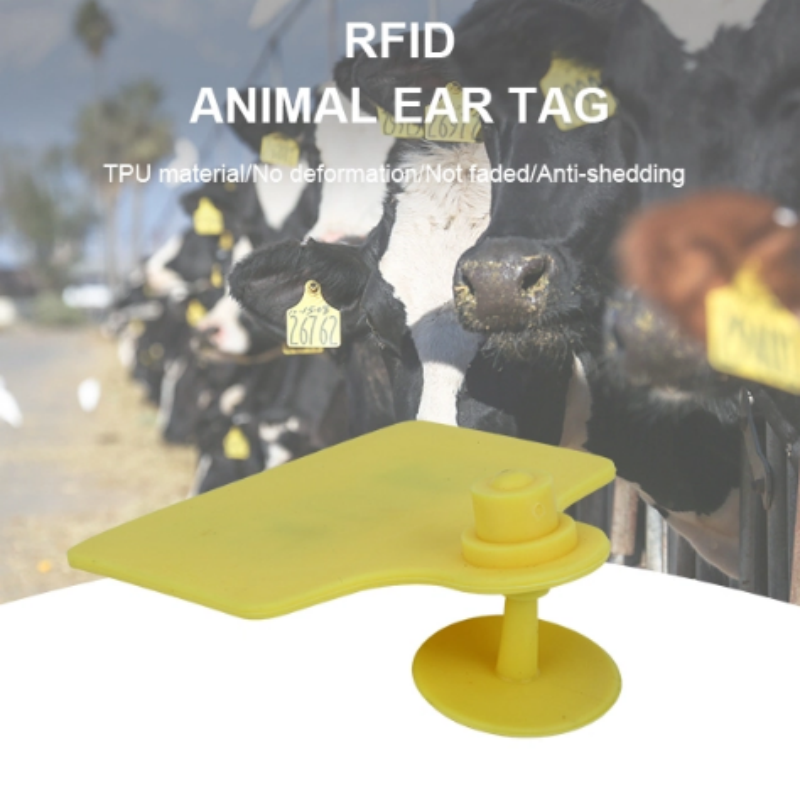
Specification of RFID Ear Tag | |
Item | RFID Animal Ear Tag |
Material | TPU |
Size | Dia20mm, Dia30mm, 70*80mm, 51*17mm,72*52mm, 70*90mm etc |
Printing | Laser printing ( ID number, logo etc) |
Chip | EM4305/213/216/F08, Alien H3 etc |
Protocol | ISO11784/5.,ISO14443A, ISO18000-6C |
Frequency | 13.56mhz |
Operating Temperature | -25 to 85 (Centigrade) |
Storage Temperature | 25 to 120 (Centigrade) |
Fit for animal species | Sheep, pig, cow, rabbit, etc |
Remark | reusable ear tag: with open hole Not reusable: with closing
|
Customization | 1. chip type 2. logo or number printing 3. ID encoding |

The global livestock industry is undergoing a major transformation. Rising labor costs, stricter food safety regulations, increasing herd sizes, and growing demand for traceability have pushed farms toward digital management systems. Traditional methods of livestock identification, such as visual ear tags, handwritten records, and manual tracking, are becoming inefficient for modern farming operations.
One technology leading this transformation is the UHF Sheep Cow Cattle Animal RFID Ear Tag. Designed for automated animal identification and data collection, RFID ear tags help farmers manage sheep, cattle, dairy cows, beef herds, goats, and other livestock more accurately and efficiently.
By integrating RFID technology with farm management software, cloud databases, handheld readers, and IoT platforms, livestock producers can monitor animals throughout their entire lifecycle—from birth and breeding to vaccination, transportation, and market sale.
This comprehensive guide explains what UHF animal RFID ear tags are, how they work, the problems they solve, their real-world applications, comparisons between old and new livestock management technologies, and how they compare with competing identification solutions.
What Is a UHF Sheep, Cow, Cattle Animal RFID Ear Tag?
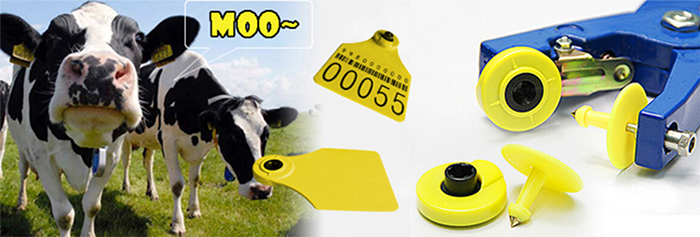
A UHF Animal RFID Ear Tag is an electronic identification device attached to an animal’s ear that contains a microchip and antenna capable of storing and transmitting unique identification data through radio frequency signals.
Each RFID ear tag functions as a digital identity card for an individual animal.
Unlike traditional visual tags, RFID tags can be read wirelessly without direct contact, enabling automated data collection and real-time livestock management.
The technology is widely used for:
- Sheep identification
- Cattle tracking
- Dairy farm management
- Beef cattle monitoring
- Goat farming
- Breeding programs
- Livestock traceability
- Disease control systems
- Export livestock certification
Every RFID tag contains a unique electronic code that cannot be duplicated, ensuring accurate animal identification throughout its life.
Components of a UHF RFID Ear Tag
A typical livestock RFID ear tag consists of several key components.
RFID Microchip
The chip stores identification data and communicates with RFID readers.
UHF Antenna
The antenna receives and transmits radio signals.
TPU Housing
Most premium animal ear tags use thermoplastic polyurethane (TPU), which offers:
- High flexibility
- UV resistance
- Weather resistance
- Animal safety
Locking Mechanism
Tamper-resistant locking systems help prevent tag loss and unauthorized removal.
Laser Marking
Tags often include visible identification numbers for backup visual verification.
Together, these components create a durable and reliable livestock identification solution.
Understanding UHF RFID Technology
UHF stands for Ultra High Frequency.
Most livestock RFID ear tags operate between:
- 860 MHz
- 960 MHz
depending on country-specific regulations.
Common standards include:
- EPC Gen2
- ISO 18000-6C
Compared with traditional identification methods, UHF RFID provides longer reading distances and faster data collection.
Typical Performance
| Feature | UHF RFID |
|---|---|
| Frequency | 860-960 MHz |
| Reading Distance | 1-10 Meters |
| Multi-Tag Reading | Yes |
| Contact Required | No |
| Data Storage | Digital |
| Reading Speed | Extremely Fast |
These advantages make UHF RFID highly suitable for large-scale livestock operations.
How Does a UHF Animal RFID Ear Tag Work?
The operating principle is simple but powerful.
Step 1: Tag Attachment
The RFID ear tag is attached to the animal’s ear using a tagging applicator.
Each tag receives a unique electronic identifier.
Step 2: RFID Reader Activation
A handheld or fixed RFID reader emits radio frequency signals.
Step 3: Tag Response
When the tag enters the reader’s field, the RFID chip activates and transmits stored information.
Step 4: Data Collection
The reader receives and processes the information.
Step 5: Software Integration
The collected data is automatically synchronized with livestock management software.
Information may include:
- Animal ID
- Breed
- Birth date
- Weight records
- Vaccination history
- Health records
- Pregnancy status
- Ownership information
This entire process typically takes less than one second.
Technical Specifications
Typical specifications for premium UHF livestock RFID ear tags include:
| Parameter | Specification |
|---|---|
| Protocol | EPC Gen2 / ISO18000-6C |
| Frequency | 860-960 MHz |
| Reading Distance | 1-10 Meters |
| Material | TPU |
| Waterproof Rating | IP67/IP68 |
| Operating Temperature | -40°C to +85°C |
| Data Retention | 10 Years+ |
| Read Cycles | 100,000+ |
| UV Resistance | Excellent |
| Color Options | Yellow, Orange, Green, Blue, White |
These specifications allow the tags to perform reliably in harsh farm environments.
Problems Solved by RFID Ear Tags
Modern livestock farms face numerous operational challenges.
RFID technology directly addresses many of these pain points.
Problem 1: Animal Misidentification
Traditional ear tags can:
- Fade
- Become dirty
- Be misread
RFID eliminates identification errors through digital verification.
Problem 2: Labor-Intensive Recordkeeping
Manual recording consumes significant labor resources.
RFID automates data collection and record management.
Problem 3: Disease Traceability Difficulties
Disease outbreaks require rapid identification of affected animals.
RFID systems provide complete traceability records.
Problem 4: Herd Management Complexity
Large farms may manage thousands of animals.
RFID simplifies tracking and monitoring at scale.
Problem 5: Regulatory Compliance
Governments increasingly require animal traceability.
RFID helps farms comply with:
- Food safety regulations
- Export requirements
- Disease control programs
Problem 6: Breeding Data Management
Breeding operations require accurate reproductive records.
RFID automates breeding data collection and analysis.
Real Application Scenarios
Dairy Farms
RFID tags enable dairy operators to monitor:
- Milk production
- Reproductive cycles
- Health conditions
- Feeding efficiency
Data-driven decisions improve profitability and productivity.
Beef Cattle Operations
Beef producers use RFID tags for:
- Growth monitoring
- Weight tracking
- Feedlot management
- Market preparation
Sheep Farms
Sheep producers benefit from:
- Lamb tracking
- Breeding records
- Vaccination management
- Wool production tracking
Goat Farms
RFID systems improve:
- Animal identification
- Health management
- Reproductive monitoring
Veterinary Services
Veterinarians can instantly access:
- Medical history
- Vaccination records
- Treatment schedules
This improves diagnosis and care quality.
Livestock Auctions
Auction operators use RFID systems for:
- Rapid identification
- Ownership verification
- Transaction recording
Government Traceability Programs
Many countries require livestock traceability systems to support food safety and disease control initiatives.
RFID tags serve as the foundation of these programs.
RFID Ear Tags and Smart Farm Management
Modern farms increasingly integrate RFID systems with digital management platforms.
Features may include:
- Cloud databases
- Mobile applications
- Automated reports
- Breeding analytics
- Health monitoring dashboards
- Inventory management
This transforms traditional farming into precision livestock management.
RFID Integration with IoT
The Internet of Things (IoT) is revolutionizing agriculture.
RFID tags can integrate with:
- Smart weighing stations
- Automated feeders
- Water monitoring systems
- Environmental sensors
- Livestock tracking platforms
This creates a connected farming ecosystem capable of generating actionable insights.
New RFID Ear Tags vs Traditional Visual Ear Tags
Livestock identification has evolved significantly.
Traditional Ear Tags
Characteristics:
- Printed numbers
- Manual reading
- Human recordkeeping
- Limited traceability
Problems:
- Reading errors
- Lost records
- Labor-intensive management
Modern RFID Ear Tags
Characteristics:
- Electronic identification
- Automated reading
- Real-time databases
- Cloud integration
Benefits:
- Improved accuracy
- Faster operations
- Better traceability
- Reduced labor costs
The difference is comparable to moving from paper records to digital enterprise software.
New Generation RFID Tags vs Older RFID Tags
RFID technology itself has evolved.
Older RFID Models
Limitations included:
- Short reading distances
- Smaller memory capacity
- Limited anti-collision capability
New Generation UHF RFID Tags
Advantages include:
- Longer read ranges
- Faster batch reading
- Better waterproofing
- Improved durability
- Enhanced software compatibility
These improvements make large-scale livestock automation practical and cost-effective.
UHF RFID vs Barcode Animal Identification
Barcodes have historically been used for asset tracking.
However, livestock environments create unique challenges.
Barcode Limitations
- Requires direct visibility
- Single-item scanning
- Easily damaged
- Slow operation
RFID Advantages
- Contactless reading
- Bulk animal identification
- Higher durability
- Greater efficiency
For livestock operations, RFID clearly outperforms barcode systems.
UHF RFID vs Low Frequency RFID
Both technologies are used in livestock management.
LF RFID
Frequency:
- 125 kHz
- 134.2 kHz
Advantages:
- Strong penetration
- Long-established standards
Disadvantages:
- Short reading distance
- Slower batch processing
UHF RFID
Advantages:
- Longer reading distance
- Faster data collection
- Better herd management automation
For large farms, UHF technology offers significant operational advantages.
UHF RFID vs GPS Livestock Tracking
GPS tracking is another popular livestock technology.
GPS Advantages
- Real-time location tracking
- Suitable for extensive grazing
GPS Disadvantages
- Higher cost
- Battery requirements
- Greater maintenance
RFID Advantages
- Lower cost
- No battery
- Longer service life
- Simpler deployment
Many advanced farms use both technologies together.
Benefits of RFID-Based Livestock Management
Improved Productivity
Automated identification reduces administrative workload.
Enhanced Animal Welfare
Better monitoring supports earlier intervention when problems arise.
Lower Labor Costs
Automation reduces dependence on manual data collection.
Better Traceability
Complete animal histories improve compliance and food safety.
Higher Profitability
Data-driven management leads to better decision-making and improved performance.
Reduced Human Error
Electronic identification improves data accuracy.
RFID and Disease Prevention
Disease outbreaks can devastate livestock operations.
RFID technology helps farms:
- Track vaccinations
- Identify infected animals
- Monitor animal movement
- Perform contact tracing
- Generate compliance reports
Rapid access to animal records improves outbreak response and containment.
Durability in Harsh Farm Environments
Livestock ear tags must withstand challenging conditions.
Premium RFID tags resist:
- Rain
- Mud
- Sunlight
- Snow
- Chemicals
- Physical impact
High-quality TPU materials maintain flexibility even in extreme temperatures.
Choosing the Right RFID Ear Tag Supplier
When evaluating suppliers, consider:
Chip Performance
Choose reputable chip manufacturers for stable performance.
Material Quality
Durable TPU construction improves lifespan.
Reading Distance
Verify compatibility with farm infrastructure.
Quality Control
Reliable suppliers perform extensive testing.
Customization Options
Available options may include:
- Laser numbering
- Color coding
- Logo printing
- Custom data encoding
Technical Support
Professional suppliers provide implementation assistance and software integration support.
Future Trends in Livestock RFID Technology
The livestock industry continues to evolve rapidly.
Key trends include:
Artificial Intelligence
AI systems analyze livestock performance and predict health issues.
Blockchain Traceability
Blockchain provides transparent farm-to-consumer tracking.
Smart Sensors
Future ear tags may include:
- Temperature monitoring
- Activity tracking
- Health indicators
Cloud-Based Analytics
Real-time farm management becomes increasingly data-driven.
Fully Connected Smart Farms
RFID will become a central component of integrated livestock management ecosystems.
Why UHF RFID Ear Tags Are Becoming Essential
Modern livestock production requires:
- Efficiency
- Traceability
- Compliance
- Automation
- Sustainability
UHF RFID technology addresses all of these requirements.
As farm sizes continue to increase and labor becomes more expensive, automated identification systems are transitioning from optional tools to essential infrastructure.
Conclusion
UHF Sheep Cow Cattle Animal RFID Ear Tags have become a cornerstone technology for modern livestock management. By combining long-range RFID identification, automated data collection, and seamless integration with smart farm management platforms, these tags enable producers to manage livestock more efficiently, accurately, and profitably.
Compared with traditional visual tags, barcode systems, and older livestock identification methods, modern UHF RFID ear tags offer superior reading distance, faster data collection, enhanced traceability, reduced labor requirements, and improved compliance with global livestock regulations. Whether used on sheep farms, dairy operations, beef cattle ranches, goat farms, breeding centers, or national traceability programs, RFID ear tags deliver measurable improvements in operational efficiency and animal management.
As smart farming technologies continue to advance, UHF RFID ear tags will remain a critical foundation for precision livestock management, helping farmers build more productive, sustainable, and future-ready agricultural operations.