October 21, 2026
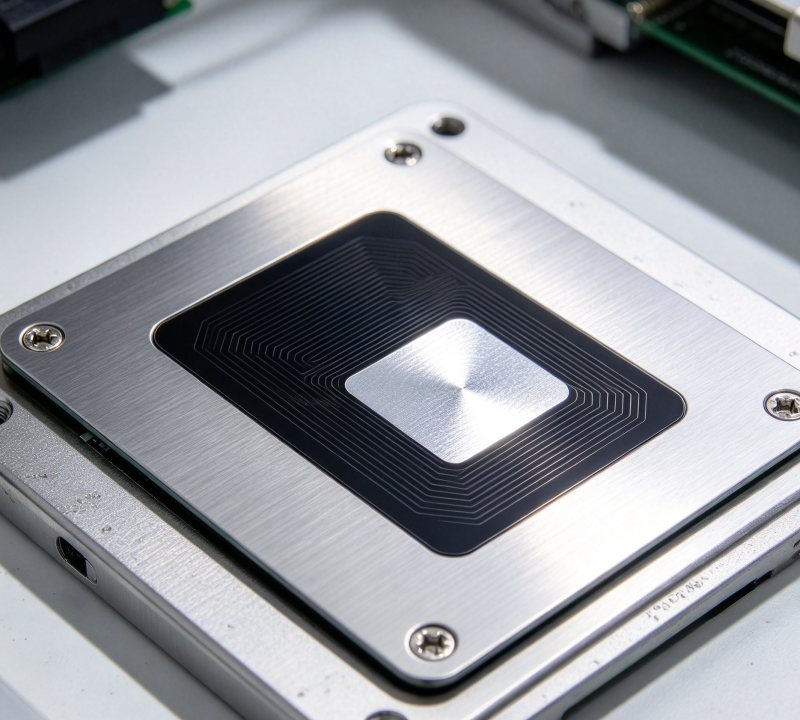
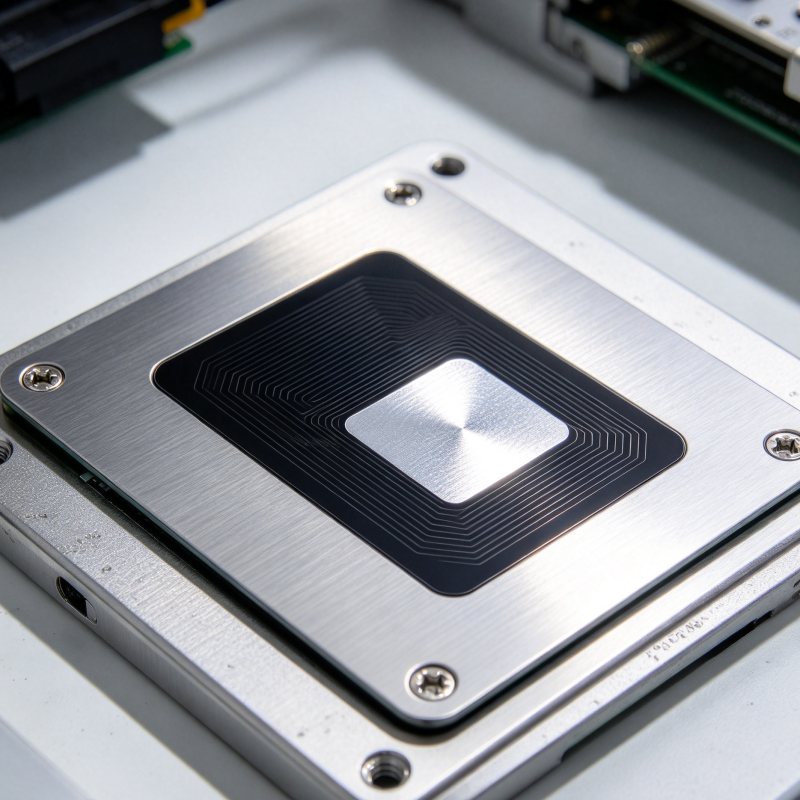
In the rapidly evolving world of RFID and wireless communication, antenna performance plays a decisive role in system efficiency, accuracy, and reliability. Among the many antenna types available, the 3dBi UHF ceramic antenna has gained widespread adoption due to its compact size, stable performance, and excellent integration capability.
Whether used in RFID readers, embedded systems, or industrial IoT devices, this antenna delivers consistent signal transmission and reception in demanding environments.
In this comprehensive SEO guide, we will explore everything you need to know about 3dBi UHF ceramic antennas, including their working principles, design advantages, specifications, applications, comparisons, and expert selection tips.
Feature:
◆Working frequency 902~928Mhz
◆RFID ceramic antenna
◆3dBi RHCP circular polarization
◆Size 40*40mm
◆It is widely embedded in PDA
Specification:
| PERFORMANCE PARAMETERS: | |
| Working Frequency | 920~925MHz |
| Dimension | 40x40x4mm |
| Reflecting plate size | 50x50x1mm |
| Net weight | 50g |
| Antenna gain | 3dBi |
| Polarization | RHCP Circular polarization |
| V.S.W.R | 1.5 |
| Impedance(Ω) | 50 |
| working temperature | -30℃~+ 70℃ |
| Connector | SMA internal male screws(accept customized) |
What Is a 3dBi UHF Ceramic Antenna?
A 3dBi UHF ceramic antenna is a compact antenna designed for Ultra High Frequency (UHF) applications, typically operating in the 860–960 MHz range. It uses ceramic materials as the dielectric substrate, allowing for a smaller size while maintaining stable electrical performance.
Key Definition
- 3dBi Gain: Indicates moderate signal strength and balanced radiation pattern
- UHF Band: 860–960 MHz, commonly used in RFID systems
- Ceramic Material: Provides high dielectric constant and miniaturization
👉 This combination makes it ideal for embedded RFID devices and compact readers.
Understanding Antenna Gain: What Does 3dBi Mean?
Antenna gain is a measure of how effectively an antenna directs radio energy.
Key Points About 3dBi Gain:
- Moderate signal strength
- Balanced omnidirectional coverage
- Suitable for short to medium range applications
Gain Comparison
| Gain | Coverage | Application |
|---|---|---|
| 0–2 dBi | Wide | Very short range |
| 3 dBi | Balanced | RFID, embedded systems |
| 6 dBi+ | Directional | Long-range systems |
👉 3dBi is the sweet spot for stability and coverage in compact devices.
How Does a UHF Ceramic Antenna Work?
The antenna converts electrical signals into electromagnetic waves and vice versa.
Working Process:
- RF signal is generated by the reader
- Signal is transmitted through the antenna
- RFID tags receive and respond
- Antenna captures the return signal
The ceramic material helps:
- Stabilize frequency
- Reduce signal loss
- Improve efficiency in small form factors
Key Features of 3dBi UHF Ceramic Antennas
1. Compact Size
Ceramic antennas are significantly smaller than traditional PCB or external antennas.
👉 Ideal for:
- Embedded devices
- Handheld readers
- Space-limited applications
2. Stable Performance
- High dielectric constant
- Low signal fluctuation
- Reliable in different environments
3. Wide Frequency Compatibility
Supports global UHF RFID frequencies:
- 860–960 MHz
- Compatible with EPC Gen2 systems
4. Omnidirectional Radiation Pattern
- Uniform signal distribution
- No need for precise alignment
5. Strong Anti-Interference Capability
- Performs well near metal or electronic components
- Reduced signal distortion
6. Easy Integration
- Surface mount or embedded design
- Compatible with various modules
Advantages of 3dBi UHF Ceramic Antennas
1. Miniaturization
Thanks to ceramic material, antennas can be much smaller without sacrificing performance.
2. Consistent Signal Quality
Stable gain ensures reliable communication.
3. Cost Efficiency
- Lower production cost
- Ideal for mass deployment
4. Versatility
Used across multiple industries and devices.
Limitations to Consider
- Shorter range compared to high-gain antennas
- Not ideal for long-distance RFID systems
- Performance depends on device design
Applications of 3dBi UHF Ceramic Antennas
1. RFID Readers
- Fixed readers
- Desktop readers
- Embedded modules
2. Asset Tracking Systems
- Equipment tracking
- Inventory systems
3. Smart Retail
- Anti-theft systems
- Inventory management
4. Industrial IoT Devices
- Smart sensors
- Automation systems
5. Logistics and Supply Chain
- Package tracking
- Warehouse automation
3dBi Ceramic Antenna vs PCB Antenna
| Feature | Ceramic Antenna | PCB Antenna |
|---|---|---|
| Size | Smaller | Larger |
| Stability | High | Moderate |
| Cost | Moderate | Low |
| Performance | Stable | Variable |
3dBi vs 6dBi UHF Antenna
| Feature | 3dBi | 6dBi |
|---|---|---|
| Range | Short–Medium | Long |
| Coverage | Wide | Directional |
| Application | Embedded | Fixed readers |
👉 Choose based on application needs.
Design Considerations
1. Placement
- Avoid metal interference
- Ensure proper spacing
2. Matching Network
- Optimize impedance
- Improve efficiency
3. Ground Plane Design
- Critical for performance
- Affects radiation pattern
4. Environmental Factors
- Temperature
- Humidity
- Electromagnetic interference
ROI Benefits for Businesses
Using a 3dBi UHF ceramic antenna can:
- Improve RFID accuracy
- Reduce system errors
- Lower hardware costs
- Enable compact product design
How to Choose the Right 3dBi UHF Ceramic Antenna
1. Frequency Compatibility
Ensure support for your region (860–960 MHz).
2. Polarization Type
- Circular → Better for RFID
- Linear → Specific applications
3. Size Constraints
Choose based on device dimensions.
4. Integration Requirements
Check compatibility with modules and connectors.
Installation Best Practices
- Test antenna performance in real environment
- Avoid signal obstruction
- Optimize positioning
- Use proper shielding
Common Mistakes to Avoid
- Ignoring impedance matching
- Poor placement near metal
- Choosing wrong gain
- Not testing performance
Future Trends in UHF Antenna Technology
- Ultra-miniaturization
- High-efficiency materials
- Integration with IoT devices
- Smart antenna systems
FAQ: 3dBi UHF Ceramic Antenna
1. What does 3dBi mean?
It refers to antenna gain and signal strength.
2. Is it suitable for long-range RFID?
No, it is best for short to medium range.
3. Can it be used in harsh environments?
Yes, ceramic material is durable and stable.
4. What is the advantage over PCB antennas?
Smaller size and more stable performance.
5. Is it customizable?
Yes, size and frequency can be customized.
Conclusion
The 3dBi UHF ceramic antenna is a compact, reliable, and efficient solution for modern RFID and wireless communication systems. Its balanced performance, small size, and strong integration capability make it an ideal choice for embedded applications and industrial devices.
By understanding its features, advantages, and limitations, businesses can make informed decisions and optimize their RFID system performance.
Call to Action
Looking for high-performance UHF ceramic antennas?
- Custom design support
- Stable and reliable performance
- Competitive factory pricing
👉 Contact us today to find the perfect 3dBi UHF ceramic antenna for your application.