October 21, 2026
| Model | DO-0128 |
| Performance parameters | |
| Working Frequency | 902~928 MHz or 865~868MHz |
| Antenna gain | 6dBi |
| Polarization | Circular polarization |
| VSWR | ≤1.3 |
| Beam Width H-Plane(°) | 70° |
| Beam Width E-Plane(°) | 70° |
| Impedance(Ω) | 50 |
| Connector | SMA Outer female connector |
| Physical parameters: | |
| size | 158x158x38mm |
| Package size | 180x180x50mm |
| Net weight | 2Kg |
| Material | Aluminum |
| Radome color | White |
| Radome material | ABS |
| Working temperature | -40℃~+85℃ |
| Storage temperature | -45℃~+95℃ |
| Protection class | IP67 |


What Is a 6dBi RFID Antenna?
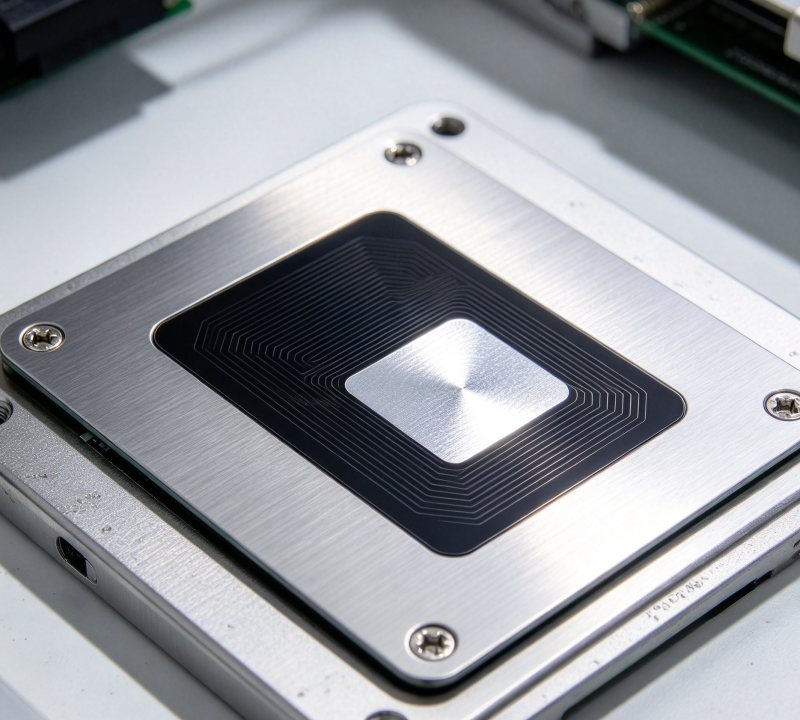
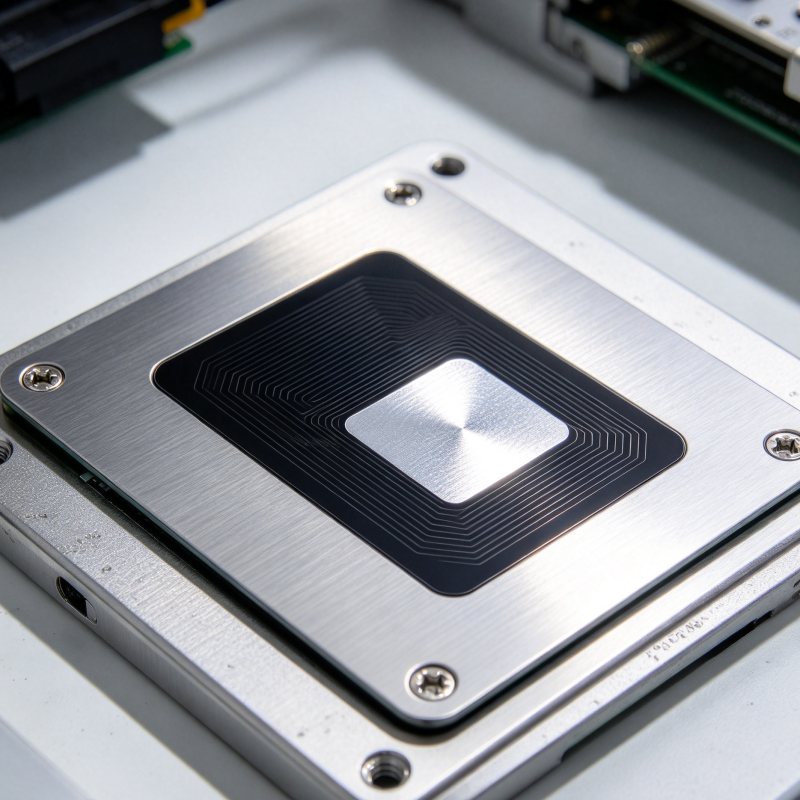
A 6dBi RFID antenna is a medium-gain radio frequency antenna used in RFID systems to transmit and receive electromagnetic signals between RFID readers and RFID tags.
The term “6dBi” refers to the antenna gain, which measures how effectively the antenna focuses RF energy in a specific direction compared with an isotropic reference antenna.
A 6dBi antenna is commonly used in:
- Asset management systems
- Warehouse inventory control
- Smart retail solutions
- Industrial automation
- Medical equipment tracking
- Logistics management
It is considered a balanced solution for medium-range RFID applications.
Understanding RFID Asset Management Systems
Before discussing the antenna itself, it is important to understand how RFID asset management works.
A standard RFID asset tracking system includes:
- RFID tags attached to assets
- RFID readers
- RFID antennas
- Management software
The RFID reader sends RF energy through the antenna. RFID tags within the antenna’s reading zone respond with stored information.
The system then:
- Identifies assets
- Tracks movement
- Updates inventory records
- Monitors asset location in real time
The antenna directly affects:
- Reading distance
- Reading accuracy
- Coverage area
- Detection reliability
Even advanced RFID readers cannot perform efficiently without the right antenna configuration.
What Does 6dBi Mean?
The “dBi” value measures antenna gain.
Higher dBi Means:
- More focused RF energy
- Longer reading distance
- Narrower beam coverage
Lower dBi Means:
- Wider coverage area
- Shorter reading distance
A 6dBi antenna sits in the middle range, providing:
- Moderate-to-long reading distance
- Controlled coverage area
- Balanced directional performance
This makes it highly suitable for asset management environments where both coverage and accuracy matter.
Working Principle of a 6dBi RFID Antenna
The antenna works by converting electrical RF signals into electromagnetic waves.
Step-by-Step Working Process
- RFID reader generates RF signal
- Signal travels through coaxial cable
- Antenna emits electromagnetic energy
- RFID tags absorb RF energy
- Tags respond with stored EPC data
- Antenna receives reflected signals
- Reader processes and transfers data to software
The 6dBi antenna focuses RF energy efficiently enough to provide stable reading without excessive signal spread.
This controlled RF field improves asset tracking accuracy while reducing unintended tag detection.
UHF RFID Frequency Range
Most 6dBi RFID antennas are designed for UHF RFID systems operating at:
- 860–960 MHz
- 865–868 MHz (Europe)
- 902–928 MHz (North America)
UHF RFID technology is preferred for asset management because it supports:
- Long reading distance
- Fast multi-tag reading
- High-speed inventory scanning
- Efficient warehouse automation
Main Specifications of 6dBi RFID Antennas
Specifications vary depending on manufacturer and design.
Typical Specifications Table
| Item | Specification |
|---|---|
| Frequency range | 860–960 MHz |
| Antenna gain | 6dBi |
| Polarization | Circular or linear |
| VSWR | ≤1.5 |
| Impedance | 50Ω |
| Connector type | SMA / N-type |
| Beam width | Medium directional |
| Reading range | 1–8 meters |
| Protection rating | IP65–IP67 optional |
| Material | ABS / Aluminum / FR4 |
These specifications support stable RFID communication in commercial and industrial environments.
Circular Polarization vs Linear Polarization
6dBi RFID antennas are commonly available in:
- Circular polarization
- Linear polarization
Circular Polarization Advantages
- Better tag orientation flexibility
- Stable reading performance
- Ideal for random tag positioning
Disadvantages:
- Slightly shorter reading distance
Linear Polarization Advantages
- Longer reading distance
- Better RF efficiency
- Strong directional control
Disadvantages:
- Tag orientation sensitivity
For asset management systems, circular polarization is often preferred because assets may not always face the same direction.
Main Advantages of 6dBi RFID Antennas
1. Balanced Reading Performance
One of the biggest strengths of a 6dBi antenna is balanced RF performance.
It provides:
- Good reading distance
- Controlled coverage
- Stable signal strength
This balance makes it suitable for:
- Asset tracking rooms
- Warehouse shelves
- Office inventory systems
- Medical equipment management
2. Reduced Cross-Reading
Very high-gain antennas may accidentally detect tags outside the intended zone.
A 6dBi antenna offers:
- Better zone control
- Improved reading precision
- Reduced RF interference
This is especially important in dense asset environments.
3. Flexible Installation
6dBi antennas are compact enough for:
- Wall mounting
- Ceiling installation
- Shelf integration
- Cabinet systems
Their moderate size simplifies deployment in commercial environments.
4. Cost-Effective RFID Solution
Compared with 9dBi or 12dBi industrial antennas, 6dBi models are generally more affordable.
Advantages include:
- Lower system cost
- Easier deployment
- Reduced infrastructure complexity
For medium-range asset management systems, they often provide the best value.
5. Stable Multi-Tag Reading
Modern UHF RFID systems often scan dozens or hundreds of tags simultaneously.
6dBi antennas support:
- Fast inventory counting
- Real-time asset visibility
- Efficient batch scanning
This dramatically improves operational efficiency compared with manual barcode systems.
6. Suitable for Indoor and Outdoor Use
Industrial-grade 6dBi antennas may include:
- Waterproof housing
- UV resistance
- Dust protection
Outdoor-capable models are widely used in:
- Logistics yards
- Vehicle asset management
- Smart campuses
Disadvantages of 6dBi RFID Antennas
No antenna solution is perfect.
1. Shorter Reading Range Than High-Gain Antennas
Compared with:
- 9dBi antennas
- 12dBi antennas
a 6dBi antenna provides shorter maximum reading distance.
For large gate systems or vehicle portals, higher-gain antennas may perform better.
2. Less Wide Coverage Than Low-Gain Antennas
Compared with 3dBi or 5dBi antennas:
- Coverage area is narrower
- Positioning becomes slightly more directional
Proper installation planning is important.
3. Potential Environmental Interference
RFID performance may be affected by:
- Metal objects
- Liquid materials
- Electrical interference
- Dense shelving
RF planning helps optimize reading stability.
RF signals can sometimes behave like invisible cats — they do not always go exactly where you expect them to.
Main Applications of 6dBi RFID Antennas
1. Warehouse Asset Management
Warehouses use RFID systems to:
- Track pallets
- Monitor inventory
- Improve stock visibility
6dBi antennas provide controlled reading zones for shelves and storage areas.
2. IT Asset Tracking
Companies use RFID to manage:
- Servers
- Laptops
- Network devices
- Office equipment
RFID reduces manual inventory workload dramatically.
3. Hospital Equipment Management
Hospitals track:
- Medical devices
- Surgical equipment
- Mobile healthcare assets
RFID improves equipment availability and reduces loss.
4. Smart Retail Inventory
Retail stores use RFID for:
- Real-time stock counting
- Smart shelves
- Theft prevention
- Inventory automation
6dBi antennas balance reading accuracy and coverage.
5. Manufacturing Asset Control
Factories use RFID systems for:
- Tool management
- Production tracking
- Maintenance scheduling
RFID improves industrial efficiency and traceability.
6. Library and Archive Management
Libraries use RFID to:
- Track books
- Automate check-in/check-out
- Improve inventory audits
Compact 6dBi antennas integrate easily into cabinets and self-service kiosks.
Competitor Analysis: 6dBi vs 3dBi RFID Antenna
Comparison Table
| Feature | 3dBi | 6dBi |
|---|---|---|
| Reading range | Short | Medium-long |
| Coverage width | Wide | Moderate |
| Directionality | Low | Medium |
| Reading precision | Lower | Better |
| Interference control | Lower | Better |
Competitor Analysis Summary
3dBi antennas are better for:
- Wide close-range scanning
- Compact areas
6dBi antennas are better for:
- Asset management
- Medium-range tracking
- Controlled reading zones
Competitor Analysis: 6dBi vs 9dBi RFID Antenna
Comparison Table
| Feature | 6dBi | 9dBi |
|---|---|---|
| Reading distance | Medium | Long |
| Beam width | Wider | Narrower |
| Installation flexibility | Better | More precise |
| Cost | Lower | Higher |
| Interference risk | Lower | Higher |
Competitor Analysis Summary
6dBi antennas are preferred for:
- Indoor asset management
- Medium coverage systems
- Flexible installations
9dBi antennas are preferred for:
- Warehouse gates
- Vehicle identification
- Long-range portals
RFID vs Barcode Asset Management
Barcode systems are one of the biggest competitors to RFID.
Comparison Table
| Feature | RFID | Barcode |
|---|---|---|
| Line-of-sight required | No | Yes |
| Multi-item scanning | Yes | No |
| Reading speed | Fast | Slower |
| Automation capability | High | Medium |
| Inventory efficiency | Excellent | Limited |
Competitor Analysis Summary
RFID provides:
- Real-time visibility
- Faster audits
- Improved automation
- Better operational efficiency
Barcodes remain cheaper initially but require significantly more manual labor.
Installation Best Practices
Proper installation improves RFID performance.
Recommended Practices
- Avoid mounting near strong metal interference
- Use proper antenna height
- Optimize antenna angle
- Use quality RF cables
- Minimize unnecessary RF overlap
Good installation dramatically improves system stability.
China vs European vs USA RFID Antenna Manufacturers
Manufacturing origin affects cost and engineering quality.
Chinese Manufacturers
Advantages:
- Competitive pricing
- OEM customization
- Large-scale production
Typical pricing:
USD 20–USD 100
European Manufacturers
Advantages:
- Advanced RF engineering
- Industrial-grade quality
Typical pricing:
USD 100–USD 400+
USA Manufacturers
Advantages:
- Strong technical support
- High industrial reliability
Typical pricing:
USD 80–USD 350
Many global companies choose Chinese OEM suppliers for large-scale RFID deployments.
Future Trends in RFID Asset Management
RFID technology continues evolving rapidly.
Future trends include:
- AI-driven asset analytics
- IoT integration
- Cloud-based RFID platforms
- Smart warehouse automation
- Real-time digital twins
6dBi RFID antennas will continue playing an important role in balanced medium-range RFID systems.
Final Thoughts
The 6dBi RFID antenna remains one of the most versatile and cost-effective solutions for modern asset management systems.
Its biggest strengths include:
- Balanced reading range
- Controlled RF coverage
- Stable multi-tag performance
- Flexible installation
- Excellent cost-performance ratio
Compared with low-gain and ultra-high-gain antennas, 6dBi models provide an ideal middle-ground solution for warehouses, hospitals, retail stores, offices, factories, and smart inventory systems.
For businesses seeking reliable RFID infrastructure without excessive complexity or cost, the 6dBi RFID antenna continues to be one of the smartest choices for efficient and scalable asset management.
As businesses continue moving toward digital transformation and Industry 4.0 automation, asset management has become increasingly dependent on RFID technology. Companies now require faster inventory visibility, real-time tracking, reduced human error, and more efficient management of valuable assets across warehouses, hospitals, factories, offices, retail stores, and logistics centers.
At the core of every efficient RFID asset management system is a high-performance RFID antenna. Among the most practical and widely used options is the 6dBi RFID antenna, which offers an ideal balance between reading range, directional coverage, installation flexibility, and cost-effectiveness.
Compared with low-gain antennas, a 6dBi RFID antenna provides stronger signal concentration and improved reading distance. Compared with ultra-high-gain antennas, it maintains wider coverage and easier deployment. This balanced performance makes it one of the most versatile RFID antennas for asset tracking applications.
This comprehensive guide explains everything about the 6dBi RFID antenna for asset management, including working principles, technical specifications, advantages, disadvantages, installation methods, application scenarios, and detailed competitor analysis to help buyers fully understand this important RFID infrastructure component.