October 21, 2026
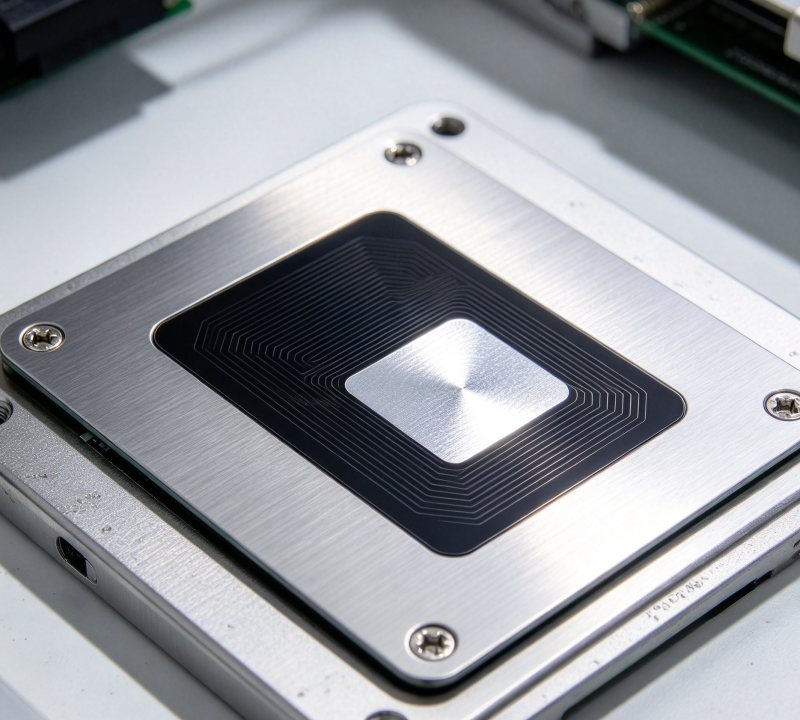
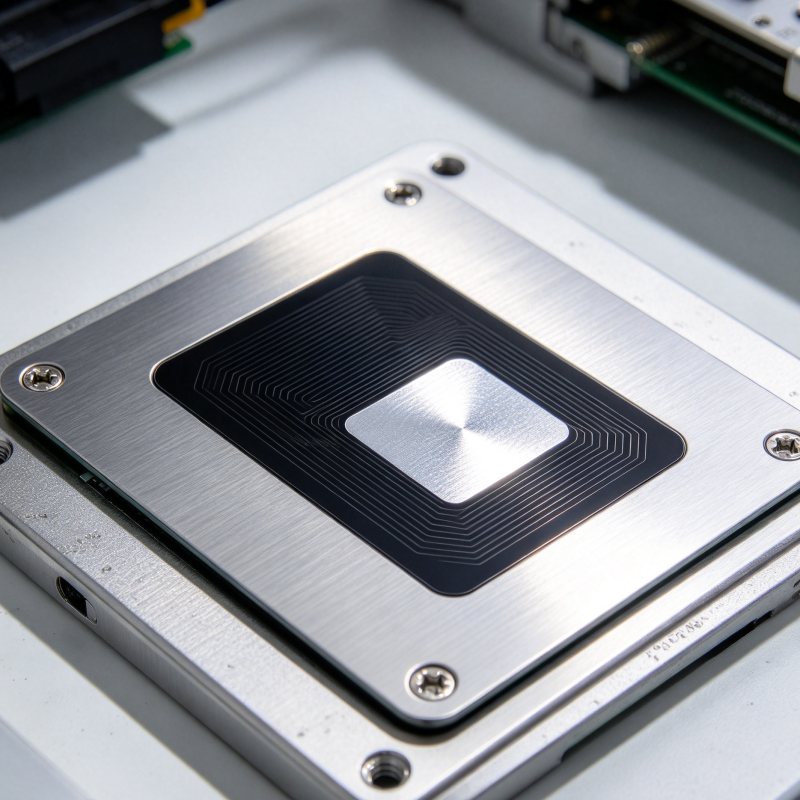
Ceramic UHF RFID WINDSHIED Tag
erformance Characteristics | |
Operating Frequency: | 860 – 960 MHz |
Reading distance | 10m with ImpinjR420 and BRA- 01CR |
Chip | Alien H3 |
Supported Protocol: | ISO 18000-6C, EPC global C1Gen2 |
Functionality: | Read/Write |
Chip Characteristics | |
EPC | 96bits |
User Memory | 512 User Bits |
TID: | 64bits |
Access password: | 32bits |
Kill password: | 32bits |
EEPROM data retention: | 10 years |
EEPROM write endurance: | 10,000 cycles |
Physical Characteristics | |
Dimensions (W x L x H): | 86mm x 54mm x 3.3mm |
Material | Ceremics and Silver , PC package |
Color | White |
Weight | 5g |
Mounting Way | 3M Adhensive |
User Environment | |
IP Classification | IP65 |
Operating temperature: | -20ºC to +85ºC |
Applications: | License Plate, Vehicle Parking, Vehicle Management, |
As intelligent transportation systems continue evolving worldwide, vehicle identification technology has become increasingly important for parking management, toll collection, fleet monitoring, logistics, smart city infrastructure, and secure access control. Traditional vehicle management methods such as manual registration, barcode stickers, and magnetic cards are gradually being replaced by more advanced RFID-based systems.
One of the most reliable and high-performance solutions in modern vehicle identification is the Ceramic UHF RFID Windshield Tag.
Designed for long-range wireless vehicle recognition, ceramic UHF RFID windshield tags provide stable signal performance, excellent environmental resistance, and fast automatic identification. These tags are widely used in highways, residential communities, logistics fleets, industrial parks, government facilities, ports, and commercial parking systems.
In this comprehensive guide, we will fully analyze what a Ceramic UHF RFID Windshield Tag is, how it works, its structure, technical specifications, applications, advantages, installation methods, and competitor comparisons. This article is designed to help distributors, RFID system integrators, parking operators, and industrial buyers better understand the growing importance of ceramic UHF RFID windshield technology.
What Is a Ceramic UHF RFID Windshield Tag?
A Ceramic UHF RFID Windshield Tag is a specialized RFID tag designed for vehicle identification and tracking applications. It is typically attached to the inside surface of a vehicle windshield and communicates wirelessly with UHF RFID readers.
The term “ceramic” refers to the ceramic-based antenna or substrate material used in the tag design. Ceramic materials provide several performance advantages, especially in environments requiring:
- High temperature resistance
- Stable RF performance
- Long service life
- Strong anti-interference capability
The tag operates within the UHF RFID frequency range, usually:
- 860–960 MHz
- EPC Gen2 standard
- ISO 18000-6C protocol
Unlike barcode systems or manual vehicle inspection, RFID windshield tags enable fully automated vehicle recognition without requiring drivers to stop or manually scan anything.
Why Vehicle RFID Tracking Is Growing Rapidly
Modern transportation systems face increasing challenges, including:
- Traffic congestion
- Parking management inefficiency
- Unauthorized vehicle access
- Fleet tracking complexity
- Toll collection delays
- Vehicle theft prevention
Traditional identification systems often suffer from:
- Slow processing
- Human error
- Limited automation
- Short service life
RFID windshield tags solve these problems through contactless automatic identification.
As smart city infrastructure expands globally, demand for RFID vehicle identification systems continues growing rapidly.
Working Principle of Ceramic UHF RFID Windshield Tags
The working principle of a ceramic UHF RFID windshield tag is based on radio frequency communication between the RFID reader and the RFID tag.
A complete system generally includes:
- RFID Windshield Tag
- UHF RFID Reader
- RFID Antenna
- Management Software Platform
Step 1: RFID Reader Emits Radio Signals
The UHF RFID reader continuously transmits radio frequency signals through antennas installed at:
- Parking entrances
- Toll gates
- Security checkpoints
- Warehouse gates
Step 2: Windshield Tag Receives RF Energy
Most ceramic UHF RFID windshield tags are passive RFID tags, meaning they do not contain batteries.
Instead, they harvest energy from the reader’s electromagnetic field.
Step 3: RFID Chip Activates
Once energized, the RFID chip inside the tag transmits its unique identification data back to the reader.
Step 4: Reader Processes Vehicle Information
The RFID reader captures the tag information and sends it to the software system.
The system can instantly:
- Open gates
- Record vehicle entry
- Verify permissions
- Update parking records
- Track fleet movement
The entire process typically occurs within milliseconds.
Internal Structure of Ceramic RFID Windshield Tags
Although compact and lightweight, ceramic UHF RFID windshield tags contain several advanced internal components.
RFID Chip
The RFID chip stores digital vehicle identification information.
Typical stored data includes:
- Vehicle ID
- Access authorization
- Fleet management data
- Parking credentials
Popular chip manufacturers include:
- Impinj
- NXP
- Alien
- Monza
Ceramic Antenna Structure
The ceramic antenna is one of the key differences between standard RFID tags and ceramic RFID tags.
Ceramic materials offer:
- Stable dielectric properties
- High heat resistance
- Improved RF consistency
- Better environmental durability
This improves long-term performance reliability.
Protective Encapsulation
The tag housing protects internal electronics from:
- UV exposure
- Moisture
- Temperature fluctuations
- Dust
- Mechanical stress
Adhesive Layer
Most windshield tags use strong automotive-grade adhesive for secure installation on vehicle glass.
Key Technical Specifications
Typical Ceramic UHF RFID Windshield Tag specifications include:
| Specification | Typical Value |
|---|---|
| Frequency Range | 860–960 MHz |
| RFID Standard | EPC Gen2 / ISO 18000-6C |
| Reading Distance | 3–15 meters |
| Tag Type | Passive UHF RFID |
| Material | Ceramic + PET |
| Installation | Windshield adhesive |
| Operating Temperature | -40°C to +85°C |
| Waterproof Rating | IP65–IP68 |
| Data Retention | 10+ years |
| Read Cycles | 100,000+ |
| Application | Vehicle identification |
Actual performance depends on reader power, antenna design, and installation conditions.
Advantages of Ceramic UHF RFID Windshield Tags
1. Long-Range Vehicle Identification
One major advantage is long reading distance.
Vehicles can often be identified automatically from several meters away without stopping.
This improves:
- Traffic flow
- Gate efficiency
- Toll collection speed
2. Fast Automatic Recognition
RFID systems process vehicle information almost instantly.
This eliminates manual verification delays.
3. Excellent Environmental Durability
Ceramic-based RFID tags perform reliably in:
- High temperatures
- Direct sunlight
- Rain
- Dusty environments
- Outdoor installations
This makes them ideal for long-term vehicle applications.
4. Stable RF Performance
Ceramic materials help maintain consistent RF behavior under changing environmental conditions.
This improves:
- Reading accuracy
- Signal stability
- Anti-interference capability
5. No Battery Maintenance
Passive RFID windshield tags do not require batteries.
Benefits include:
- Lower maintenance costs
- Longer lifespan
- Simplified installation
6. Improved Security
RFID vehicle systems reduce unauthorized access through:
- Unique encrypted IDs
- Real-time monitoring
- Access control integration
7. Cost-Effective Vehicle Management
Compared with manual systems, RFID reduces:
- Labor costs
- Traffic delays
- Operational errors
Applications of Ceramic UHF RFID Windshield Tags
Ceramic RFID windshield tags are widely used across many industries.
Smart Parking Systems
Parking operators use RFID windshield tags for:
- Automatic gate access
- Monthly parking management
- Vehicle identification
- Fast entry and exit
RFID reduces traffic congestion significantly.
Electronic Toll Collection
Highway toll systems use UHF RFID tags for:
- Non-stop toll payment
- Vehicle verification
- Traffic flow optimization
This reduces toll booth waiting times.
Residential Community Access Control
Residential complexes use RFID tags to manage:
- Resident vehicle access
- Visitor control
- Security monitoring
Automatic gates improve convenience and security.
Fleet Management
Logistics and transportation companies use RFID for:
- Vehicle tracking
- Route management
- Fleet monitoring
- Driver access control
RFID improves operational visibility.
Industrial Park Vehicle Management
Factories and industrial facilities use RFID to:
- Monitor vehicle entry
- Restrict unauthorized access
- Improve logistics management
Government and Military Facilities
High-security facilities use RFID systems for:
- Vehicle authorization
- Access logging
- Perimeter security
Port and Container Yard Management
Ports use RFID windshield tags to track:
- Trucks
- Cargo vehicles
- Container movement
RFID improves logistics efficiency.
Smart City Transportation Systems
Smart cities increasingly use RFID for:
- Urban traffic management
- Automated parking
- Public transportation integration
Ceramic UHF RFID Windshield Tag vs Barcode Systems
Traditional barcode systems have major limitations in vehicle management.
| Feature | Ceramic RFID Windshield Tag | Barcode System |
| Reading Distance | Long range | Very short |
| Line-of-Sight Required | No | Yes |
| Vehicle Speed Compatibility | High | Low |
| Automation Capability | Excellent | Limited |
| Environmental Durability | High | Moderate |
| Multi-Lane Operation | Supported | Difficult |
| Reading Speed | Very fast | Slower |
RFID offers dramatically higher efficiency.
Ceramic RFID Tags vs Standard Paper RFID Windshield Tags
Many users compare ceramic RFID tags with traditional paper windshield RFID labels.
| Feature | Ceramic RFID Tag | Paper RFID Tag |
| Durability | Excellent | Lower |
| Heat Resistance | High | Moderate |
| Outdoor Lifespan | Longer | Shorter |
| Signal Stability | Better | Moderate |
| Cost | Higher | Lower |
| Industrial Suitability | Excellent | Limited |
Ceramic RFID tags are preferred for demanding environments.
Ceramic RFID Tags vs Active RFID Vehicle Tags
Passive Ceramic RFID Tags
Advantages:
- Lower cost
- No battery
- Long service life
- Lower maintenance
Active RFID Tags
Advantages:
- Longer reading range
- Real-time tracking capability
Disadvantages:
- Higher cost
- Battery maintenance
- Larger size
For most parking and access control systems, passive ceramic RFID windshield tags provide the best cost-performance ratio.
Anti-Tamper RFID Windshield Tags
Many ceramic RFID windshield tags include anti-tamper functionality.
If someone attempts to remove the tag:
- The antenna breaks
- The RFID chip becomes unreadable
This prevents unauthorized tag transfer between vehicles.
Anti-tamper features are widely used in:
- Toll systems
- Secure parking
- Government facilities
Installation Process
Correct installation is critical for optimal RFID performance.
Step 1: Clean Windshield Surface
Remove dust and oil from the installation area.
Step 2: Select Proper Position
The recommended position is usually:
- Upper windshield corner
- Behind rear-view mirror
Avoid metal-coated areas.
Step 3: Apply the RFID Tag
Press firmly to ensure proper adhesion.
Step 4: Test Reading Performance
Use the RFID reader to verify reading distance and signal stability.
Common Challenges in RFID Vehicle Systems
Although RFID systems are highly efficient, some deployment challenges exist.
Metalized Windshields
Some vehicles use metallic windshield coatings that reduce RF signal transmission.
Specialized RFID tag designs may be required.
RF Interference
Nearby RF devices can affect performance.
Improper Installation
Incorrect positioning may reduce reading distance.
Environmental Exposure
Extreme weather conditions require industrial-grade tags.
How to Choose the Right Ceramic RFID Windshield Tag
Before purchasing, buyers should consider:
Reading Distance Requirements
Long-range systems require higher-performance antennas.
Environmental Conditions
Outdoor systems require UV-resistant and waterproof designs.
Anti-Tamper Requirements
Security-sensitive systems should use tamper-evident tags.
RFID Chip Selection
Different chips provide different memory and sensitivity levels.
Vehicle Type Compatibility
Large trucks may require different antenna configurations than passenger cars.
Competitive Analysis of RFID Vehicle Identification Technologies
| Technology | Advantages | Disadvantages |
| Ceramic UHF RFID Tag | Durable, long-range, stable | Moderate cost |
| Barcode Sticker | Low cost | Manual scanning |
| QR Code System | Smartphone compatible | Limited automation |
| Active RFID Tag | Ultra-long range | Higher cost |
| ANPR Camera System | No tag required | Lighting/weather sensitivity |
| Bluetooth Vehicle Access | Mobile integration | Shorter range |
Ceramic UHF RFID windshield tags provide one of the best balances between reliability, speed, automation, and cost.
Market Trends in RFID Vehicle Management
The RFID vehicle identification market continues growing due to:
- Smart parking demand
- Urban traffic automation
- Smart city development
- Logistics digitization
- Contactless access systems
Businesses increasingly prioritize:
- Faster vehicle processing
- Reduced congestion
- Improved security
- Automated operations
Future Development of Ceramic RFID Windshield Technology
Future innovations may include:
- Smaller RFID modules
- Enhanced anti-metal performance
- AI-integrated traffic analytics
- Cloud-based fleet monitoring
- Higher sensitivity RFID chips
- Eco-friendly materials
RFID systems will continue becoming smarter and more integrated with IoT infrastructure.
Final Thoughts
The Ceramic UHF RFID Windshield Tag has become one of the most important technologies in modern vehicle identification and access management systems. By combining long-range wireless communication, durable ceramic materials, and automated RFID functionality, these tags provide fast, secure, and reliable vehicle recognition across a wide range of industries.
Compared with traditional barcode systems and many other vehicle identification technologies, ceramic UHF RFID windshield tags offer superior automation, better durability, faster processing speed, and lower long-term maintenance costs.
From parking systems and toll collection to fleet management and smart city transportation, these RFID tags are helping businesses and governments improve efficiency, reduce congestion, and strengthen security.
As intelligent transportation systems continue expanding worldwide, Ceramic UHF RFID Windshield Tags will remain a critical component of future smart mobility infrastructure.