October 21, 2026

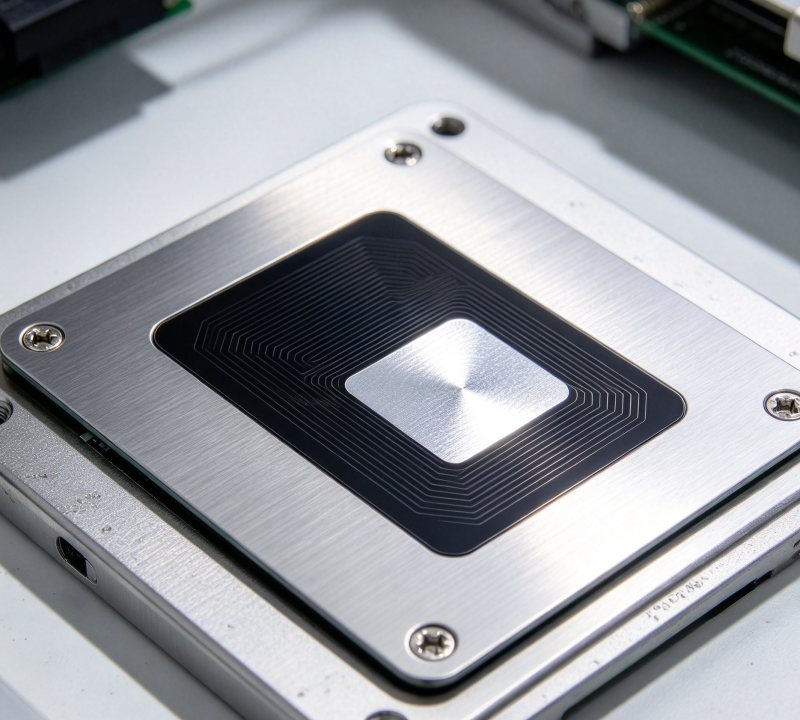
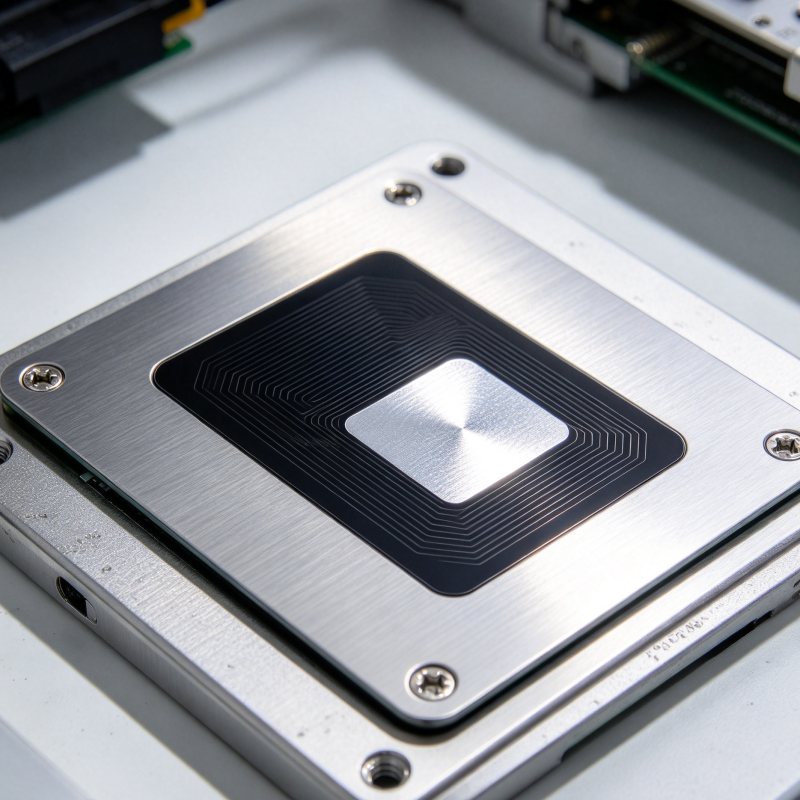
IP67 UHF RFID Antenna For RFID Reader is a high-performance, worldwide, circular-polarized antenna for use in demanding applications. It can be used with all fixed Gen2 readers on the market. Application environments include warehouses, distribution centers, airports and hospitals, transit terminals, and conveyor belts.
| Performance parameters | |
| Working Frequency | 902~928 MHz or 865~868MHz |
| Antenna gain | 9dBi |
| Polarization | Circular polarization |
| VSWR | ≤1.3 |
| Beam Width H-Plane(°) | 70° |
| Beam Width E-Plane(°) | 70° |
| Impedance(Ω) | 50 |
| Connector | N Outer female connector |
| Physical parameters: | |
| size | 258x258x56mm |
| Package size | 320x320x100mm |
| Net weight | 2Kg |
| Material | Aluminum |
| Radome color | White |
| Radome material | ABS |
| Working temperature | -40℃~+85℃ |
| Storage temperature | -45℃~+95℃ |
| Protection class | IP67 |
In modern RFID systems, the antenna is one of the most critical components that directly determines reading distance, accuracy, and system stability. With the rapid expansion of smart logistics, industrial automation, warehouse management, and IoT tracking systems, the IP67 UHF RFID antenna for RFID reader has become a standard choice for outdoor and harsh-environment RFID deployments.
Unlike indoor antennas, IP67-rated UHF RFID antennas are specially designed to withstand dust, rain, humidity, vibration, and extreme temperatures while maintaining stable ultra-high-frequency performance in the 860–960MHz range. These antennas are widely used in vehicle identification, smart parking, container tracking, warehouse automation, production lines, and smart city infrastructure.
This article provides a complete and SEO-optimized breakdown of IP67 UHF RFID antennas, including working principles, technical specifications, applications, advantages, installation guidelines, and competitor comparisons.
What Is an IP67 UHF RFID Antenna for RFID Reader?
An IP67 UHF RFID antenna is a rugged ultra-high-frequency antenna designed to work with fixed or integrated RFID readers operating in the 860–960MHz range (EPC Gen2 / ISO18000-6C standard).
The “IP67” rating means:
- Fully dust-tight protection (IP6X)
- Protection against temporary immersion in water (IPX7)
This makes it suitable for both indoor and outdoor industrial environments.
Typical structure includes:
- Radiating patch or panel antenna
- ABS or ASA radome housing
- Aluminum or PCB radiation layer
- N-type female connector
- Waterproof sealing design
Most IP67 UHF antennas are designed as circularly polarized panel antennas to ensure stable tag reading regardless of tag orientation.
How IP67 UHF RFID Antennas Work
UHF RFID antennas operate as the communication bridge between RFID readers and passive tags.
Step 1: Signal Transmission
The RFID reader sends RF energy (860–960MHz) through the antenna.
Step 2: Field Generation
The antenna converts electrical signals into electromagnetic waves, creating a read zone.
Step 3: Tag Activation
Passive RFID tags within range absorb energy and power up.
Step 4: Backscatter Communication
Tags reflect modulated signals back to the antenna.
Step 5: Data Processing
The reader decodes EPC data and sends it to backend systems for processing.
In short: the antenna defines how far, how wide, and how stable your RFID system performs.
Key Technical Specifications of IP67 UHF RFID Antennas
Typical industrial-grade IP67 UHF RFID antennas share the following specifications:
| Parameter | Typical Value |
|---|---|
| Frequency Range | 860–960 MHz |
| Gain | 8–9.5 dBi |
| Polarization | Circular or Linear |
| Beamwidth | ~60°–70° |
| Impedance | 50Ω |
| Connector Type | N-Female |
| IP Rating | IP67 |
| Operating Temperature | -40°C to +70°C |
| Input Power | Up to 50–100W |
| Installation | Wall / Pole mount |
High-gain models (around 9 dBi) are commonly used in logistics and vehicle identification systems due to their long reading range and stable coverage.
Core Features of IP67 UHF RFID Antennas
1. Waterproof and Dustproof Design (IP67 Protection)
IP67-rated antennas can operate reliably in:
- Outdoor parking systems
- Rainy environments
- Industrial dust zones
- Harsh logistics yards
This protection ensures long-term stability even in extreme environments.
2. Long-Range Reading Capability
High-gain antennas (8–9 dBi) can support:
- 5–15 meters reading range (depending on tags and environment)
- Stable multi-tag detection
- Wide-area coverage
Some optimized systems can even achieve higher ranges in open environments.
3. Circular Polarization for Stability
Circularly polarized antennas are widely used because they:
- Reduce tag orientation sensitivity
- Improve read consistency
- Support moving objects (vehicles, pallets)
4. Industrial Durability
IP67 antennas are built with:
- UV-resistant radomes
- Anti-corrosion materials
- Shock-resistant housing
- Industrial sealing structure
This makes them ideal for long-term outdoor deployment.
5. Low VSWR and High Efficiency
High-quality antennas maintain:
- VSWR ≤ 1.3–1.5
- Stable impedance matching
- Reduced signal loss
This ensures efficient energy transmission between reader and tags.
Main Application Scenarios
1. Smart Parking and Vehicle Access Systems
IP67 UHF RFID antennas are widely used in:
- Parking lot entry/exit systems
- Gated communities
- Toll collection stations
They enable fast, contactless vehicle identification without stopping traffic.
2. Warehouse and Logistics Management
In logistics centers, these antennas support:
- Pallet tracking
- Inventory scanning
- Dock door automation
High-gain antennas ensure fast multi-tag reading in dense environments.
3. Industrial Automation and Production Lines
Factories use IP67 RFID antennas for:
- Production tracking
- Work-in-progress (WIP) monitoring
- Asset identification
Their durability ensures stable operation in dusty and high-temperature environments.
4. Smart City Infrastructure
Applications include:
- Public transportation tracking
- Smart waste management
- City-wide asset monitoring
Outdoor durability makes IP67 antennas essential for urban systems.
5. Container and Yard Management
Ports and large logistics yards use RFID antennas for:
- Container tracking
- Yard inventory control
- Automated gate systems
The long reading range is especially useful in open outdoor environments.
6. Retail and Supply Chain Automation
Used in:
- Smart shelves
- Distribution centers
- Automated inventory systems
They help improve accuracy and reduce manual labor.
IP67 RFID Antenna vs IP65 RFID Antenna
| Feature | IP67 Antenna | IP65 Antenna |
|---|---|---|
| Waterproof Level | Temporary immersion | Water jets only |
| Outdoor Reliability | Higher | Medium |
| Cost | Slightly higher | Lower |
| Industrial Use | Heavy-duty environments | Light outdoor use |
| Lifespan | Longer | Moderate |
IP67 antennas are preferred for harsh or unpredictable environments.
IP67 RFID Antenna vs Integrated Reader Antenna
| Feature | External IP67 Antenna | Integrated Reader Antenna |
|---|---|---|
| Reading Range | Longer (up to 15m+) | Shorter (up to ~50cm–2m) |
| Flexibility | High | Limited |
| Installation | Modular | Fixed |
| Power Handling | High | Medium |
| Use Case | Industrial systems | Compact terminals |
Integrated antennas are convenient, but external IP67 antennas dominate industrial long-range systems.
IP67 RFID Antenna vs Indoor Panel Antenna
| Feature | IP67 Antenna | Indoor Antenna |
|---|---|---|
| Environment | Outdoor + Indoor | Indoor only |
| Waterproof | Yes | No |
| UV Resistance | Yes | No |
| Durability | High | Medium |
| Cost | Higher | Lower |
Installation Guidelines
Proper installation significantly affects performance.
1. Mounting Position
- Install at 2–5 meters height for vehicle systems
- Avoid metal obstruction in front of antenna
2. Angle Optimization
- Tilt angle affects coverage area
- Circular polarization reduces sensitivity issues
3. Cable Selection
- Use low-loss coaxial cables (e.g., LMR400)
- Keep cable length as short as possible
4. Environmental Considerations
- Avoid direct water pooling
- Ensure grounding protection against lightning
Common Performance Factors
Several factors influence antenna performance:
- Tag quality and sensitivity
- Reader output power
- Installation height and angle
- Environmental interference
- Metal structures nearby
RFID system performance is always a balance between antenna gain, tag sensitivity, and environmental conditions.
Competitive Landscape Analysis
1. High-Gain Panel Antennas (8–9 dBi Class)
- Most common in logistics and parking systems
- Balanced cost and performance
2. Ultra-High Gain Antennas (10–12 dBi)
- Longer range
- Narrower beamwidth
- Used in large yard tracking
3. Low-Profile Compact Antennas
- Easier installation
- Shorter range
- Used in retail and access control
4. Integrated RFID Readers
- Compact all-in-one design
- Limited range
- Best for desktop or gate-level systems
IP67 UHF antennas dominate industrial outdoor deployments because they offer the best balance of range, durability, and flexibility.
Advantages of IP67 UHF RFID Antennas
- Excellent outdoor durability
- Stable long-range performance
- Wide industrial compatibility
- Circular polarization for accuracy
- Strong interference resistance
- Long service life
These advantages make them essential in modern RFID infrastructure.
Challenges and Limitations
Despite strong performance, IP67 antennas face some limitations:
- Higher cost compared to indoor antennas
- Requires proper installation expertise
- Performance depends heavily on environment
- Cable losses can affect system efficiency
However, these trade-offs are acceptable for industrial-grade reliability.
Future Trends of UHF RFID Antennas
The RFID antenna industry is evolving toward:
- Higher gain compact antennas
- AI-optimized RF field control
- Multi-antenna smart arrays
- Integrated IoT sensor antennas
- Smarter beam shaping technology
As smart cities and industrial IoT expand, demand for rugged IP67 RFID antennas will continue growing rapidly.
Conclusion
The IP67 UHF RFID antenna for RFID reader is a critical component in modern RFID systems, especially for outdoor and industrial environments. With strong waterproof protection, long-range performance, high gain design, and stable circular polarization, it plays a key role in logistics automation, vehicle identification, smart parking, warehouse management, and smart city infrastructure.
Compared with indoor antennas or integrated reader solutions, IP67 UHF RFID antennas deliver superior durability and scalability for demanding real-world applications. As RFID technology continues to expand across global industries, these rugged antennas will remain a foundational element of reliable and high-performance RFID systems.

Do RFID is a leading China-based manufacturer with over 15 years of experience. We specialize in customized RFID readers, tags, and cards, delivering high-quality, tailored solutions that meet your unique business needs and drive seamless, efficient identification.