October 21, 2026
In today’s fast-moving logistics and supply chain environment, real-time tracking and accurate data visibility are essential. Whether managing containers, metal assets, livestock traceability, or industrial equipment, businesses need RFID solutions that can perform reliably—even on challenging surfaces like metal.
Traditional RFID tags often struggle in such environments due to signal interference. That’s where the Logistics UHF RFID Anti-Metal Tag stands out.
Designed specifically for metal surfaces and harsh conditions, this tag delivers stable performance, long lifespan, and high durability, making it a powerful tool for logistics, asset tracking, and traceability systems.
In this comprehensive article, we’ll explore:
- What the UHF anti-metal logistics tag is
- How it is manufactured
- Its working principle
- Core applications
- Pain points it solves
- Competitive analysis
- Bulk procurement strategies
What Is a Logistics UHF RFID Anti-Metal Tag?
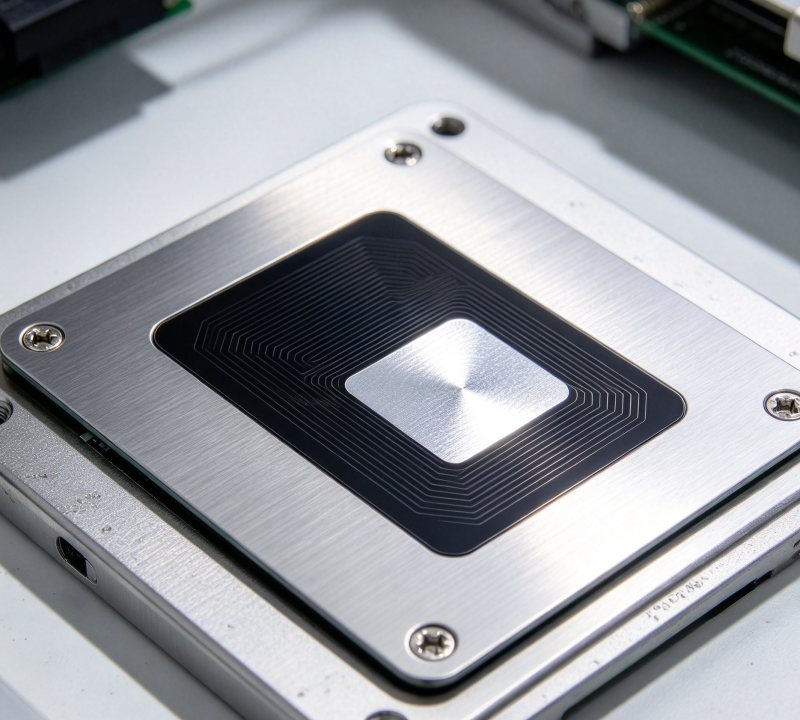
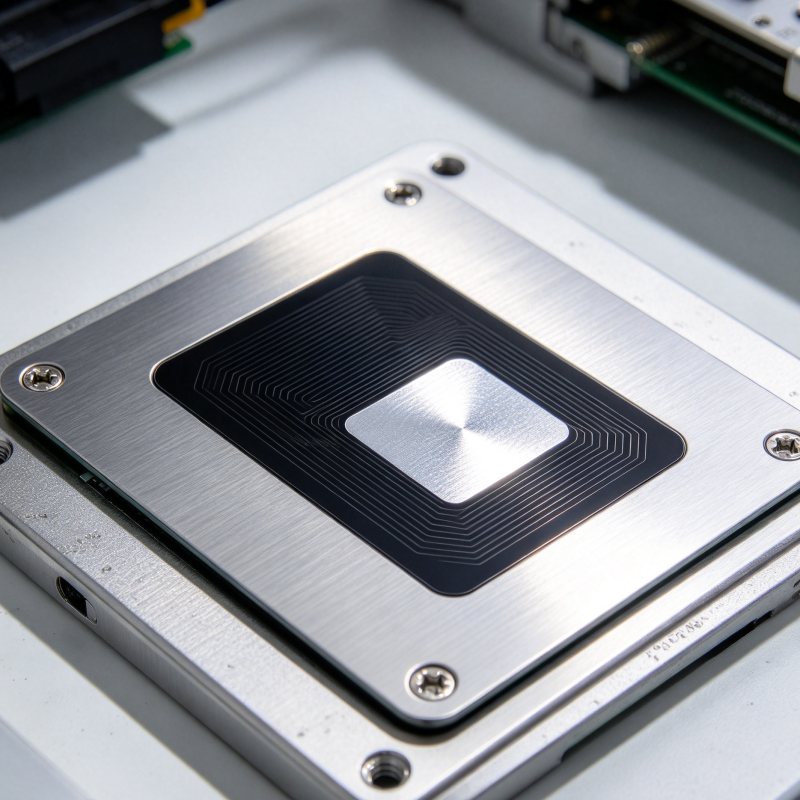
A UHF RFID anti-metal tag is a passive RFID device engineered to function efficiently on metallic surfaces, where standard RFID labels typically fail.
The tag uses a PCB (Printed Circuit Board) structure and specialized antenna design to overcome signal interference caused by metal, ensuring stable communication and reliable data transmission.
Key Features
- Frequency range: 860–960 MHz
- Optimized for metal surfaces
- IP68 waterproof and dustproof rating
- High temperature resistance (-25°C to 160°C)
- Long lifespan (10 years, 100,000 cycles)
- Customizable logo printing
Typical Applications
This tag is widely used in:
- Logistics and supply chain tracking
- Livestock management
- Origin traceability systems
- Industrial asset management
- Warehouse operations
Technical Specifications
| Parameter | Specification |
|---|---|
| Working Frequency | 860–960 MHz |
| Protocol | ISO 18000-6C (Gen2) |
| Chip Options | Impinj M4QT / Alien Higgs3 |
| Memory | EPC 96 bits + User 512 bits |
| Dimensions | 80 × 20 × 3 mm |
| Material | PCB |
| Operating Temperature | -25°C to 160°C |
| Protection Class | IP68 |
| Lifespan | 100,000 cycles / 10 years |
| Customization | Logo printing supported |
How Is the UHF Anti-Metal Tag Manufactured?
The performance of this tag relies on advanced RF engineering and precision manufacturing processes.
1. PCB Substrate Fabrication
The tag is built on a high-performance PCB base, which:
- Provides structural strength
- Reduces signal interference
- Ensures long-term durability
2. Antenna Design and Etching
A UHF antenna is designed and etched onto the PCB:
- Tuned for 860–960 MHz
- Optimized for metal compatibility
- Designed for consistent signal transmission
3. Chip Integration
The RFID chip—such as Impinj M4QT or Alien Higgs3—is mounted onto the PCB.
This step includes:
- Precision bonding
- Electrical calibration
- Data encoding capability
4. Encapsulation and Protection
The tag is sealed to achieve:
- Waterproof and dustproof protection (IP68)
- Resistance to chemicals and mechanical stress
- Long-term stability in harsh environments
5. Quality Control Testing
Each tag undergoes:
- Read/write testing
- Environmental stress testing
- Signal performance verification
Working Principle of UHF RFID Anti-Metal Tags
The tag operates using passive UHF RFID technology, meaning it requires no internal battery.
How It Works:
- An RFID reader emits radio frequency signals
- The tag antenna captures the signal
- The chip is powered by the signal
- The tag transmits stored data back
- The system processes and records the data
Why It Works on Metal
- PCB layer isolates antenna from metal
- Specialized antenna design reduces signal reflection
- Ensures stable communication
Key Advantages
- No battery required
- Reliable performance on metal surfaces
- Long read range
- Durable and waterproof design
- Suitable for harsh environments
Main Applications
1. Logistics and Supply Chain Management
Tracks:
- Containers
- Metal pallets
- Equipment
Benefits:
- Real-time tracking
- Improved efficiency
- Reduced loss
2. Livestock Management
Used for:
- Animal identification
- Movement tracking
- Health monitoring
3. Origin Traceability Systems
Tracks:
- Product origin
- Supply chain data
- Compliance records
4. Industrial Asset Management
Tracks:
- Machinery
- Tools
- Equipment
5. Warehouse Operations
Tracks:
- Inventory
- Storage assets
- Logistics equipment
What Pain Points Does It Solve?
1. RFID Failure on Metal
Problem: Standard RFID tags fail on metal.
Solution: Anti-metal design ensures stable performance.
2. Lack of Real-Time Visibility
Problem: Difficult to track assets in real time.
Solution: RFID enables instant tracking and monitoring.
3. Harsh Environment Damage
Problem: Heat, moisture, and dust damage tags.
Solution: IP68 protection and high temperature resistance.
4. Manual Tracking Inefficiency
Problem: Time-consuming and error-prone processes.
Solution: Automated RFID tracking improves efficiency.
5. High Replacement Costs
Problem: Low durability increases costs.
Solution: Long lifespan reduces total cost of ownership.
Competitive Analysis
1. Anti-Metal Tag vs Standard RFID Label
| Feature | Anti-Metal Tag | RFID Label |
|---|---|---|
| Metal Compatibility | Excellent | Poor |
| Durability | High | Low |
| Cost | Medium | Low |
2. PCB Tag vs Ceramic Tag
| Feature | PCB Tag | Ceramic Tag |
|---|---|---|
| Cost | Lower | Higher |
| Durability | High | Very High |
| Weight | Lighter | Heavier |
3. UHF vs HF RFID
| Feature | UHF RFID | HF RFID |
|---|---|---|
| Range | Long | Short |
| Speed | Fast | Moderate |
Advantages Over Competitors
- Strong anti-metal performance
- High durability and waterproof rating
- Long lifespan
- Cost-effective compared to ceramic tags
- Flexible for multiple applications
Bulk Procurement Guide
1. MOQ (Minimum Order Quantity)
Typical MOQ:
- 1,000 – 10,000 units
2. Customization Options
- Logo printing
- EPC pre-encoding
- Chip selection
3. Pricing Factors
- Chip type
- Order quantity
- Customization level
4. Supplier Evaluation Checklist
- Production capacity
- Quality certifications
- Experience in RFID manufacturing
- Export capability
5. Logistics Considerations
- Anti-static packaging
- Moisture protection
- Secure international shipping
Installation Guidelines
- Clean surface before installation
- Ensure proper adhesion
- Test tag readability after mounting
Maintenance Tips
- Inspect tags regularly
- Avoid excessive mechanical impact
- Replace damaged tags promptly
Future Trends in RFID Logistics Tags
- Integration with IoT platforms
- Real-time analytics and automation
- Smaller and more efficient designs
- Enhanced read range and accuracy
Final Thoughts
The Logistics UHF RFID Anti-Metal Tag is a powerful, durable, and versatile solution for tracking assets in metal-heavy environments.
With its:
- Reliable anti-metal performance
- IP68 protection
- Long lifespan
- Strong signal stability
…it provides businesses with a scalable way to improve efficiency, visibility, and operational control.
In logistics and asset management, the difference between delays and efficiency often comes down to visibility—and this tag delivers exactly that.
Because when your assets move fast, your tracking system needs to move even faster.