October 21, 2026
In modern asset-intensive industries—banking, data centers, IT infrastructure, and manufacturing—precision tracking and real-time visibility are no longer optional. Yet one challenge has consistently limited RFID adoption: metal interference.
Standard RFID tags often fail when applied to metal surfaces, causing weak signals, inconsistent reads, and unreliable tracking. That’s where the Passive Anti-Metal Tag 90×11mm becomes a game-changer.
Engineered with a PCB structure and optimized antenna design, this tag delivers stable performance, long lifespan, and high reliability, even in harsh environments and on metallic assets.
In this comprehensive guide, we’ll explore:
- What the passive anti-metal tag is
- How it’s manufactured
- Its working principle
- Core applications
- Pain points it solves
- Competitive analysis
- Bulk procurement strategies
What Is a Passive Anti-Metal Tag 90×11mm?
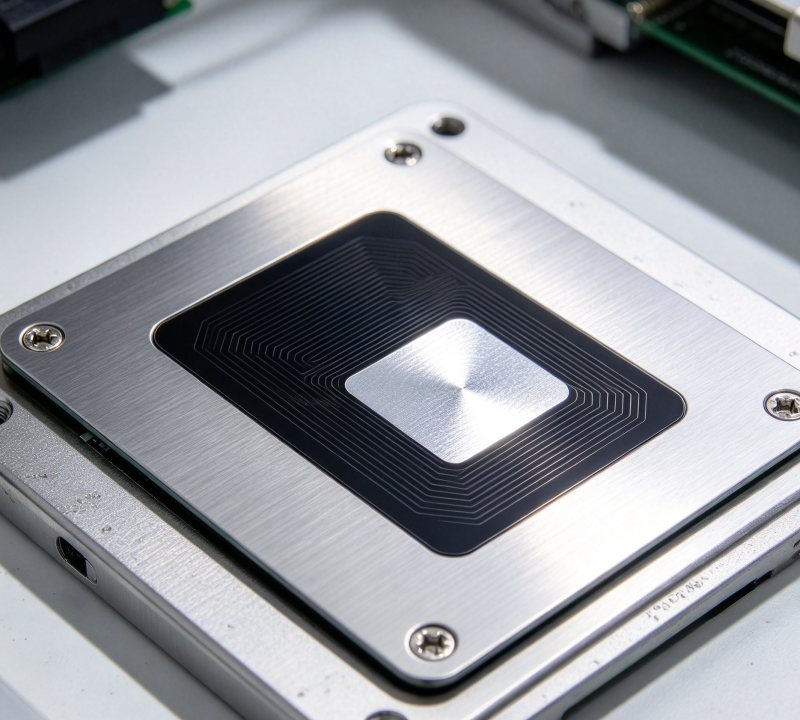
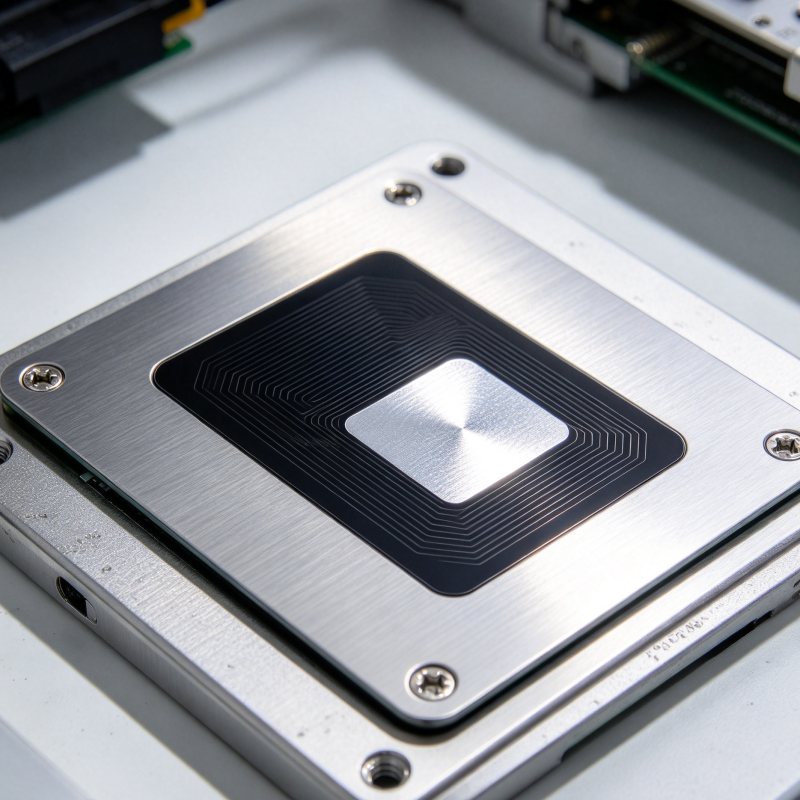
The Passive Anti-Metal Tag 90×11×3mm is a UHF RFID tag designed specifically for metal surfaces. It uses a PCB (Printed Circuit Board) substrate to isolate the antenna from the metal, ensuring stable signal transmission.
Key Characteristics:
- Passive RFID (no battery required)
- Optimized for metal environments
- Compact and slim design
- Long service life (up to 10 years)
- Strong durability in harsh conditions
Typical Applications
This tag is widely used in:
- Bank asset management (precious metals, vault assets)
- Data center equipment tracking
- IT asset management
- Industrial tools and machinery tracking
Technical Specifications
| Parameter | Specification |
|---|---|
| Working Frequency | 860–960 MHz |
| Protocol | ISO 18000-6C |
| Chip Options | Impinj M4QT / Alien Higgs3 |
| Memory | EPC 96 bits + User 512 bits |
| Dimensions | 90 × 11 × 3 mm |
| Reading Range | 3 m (fixed reader), 1–2 m (handheld) |
| Operating Temperature | -40°C to 140°C |
| Material | PCB |
| Installation | 3M adhesive |
| Lifespan | 100,000 cycles / 10 years |
| Weight | 10 g per piece |
How Is the Passive Anti-Metal Tag Manufactured?
The performance of this tag depends on precision engineering and high-quality materials.
1. PCB Substrate Fabrication
The tag is built on a high-performance PCB board, which:
- Provides mechanical strength
- Reduces signal interference
- Enhances durability
2. Antenna Design and Etching
A UHF antenna is carefully designed and etched onto the PCB:
- Tuned for 860–960 MHz frequency
- Optimized for metal compatibility
- Ensures consistent signal transmission
3. Chip Integration
The RFID chip—such as Impinj M4QT or Alien Higgs3—is mounted onto the PCB.
This step includes:
- Precision bonding
- Electrical calibration
- Data encoding capability
4. Encapsulation and Protection
The tag is sealed to protect against:
- Moisture
- Dust
- Mechanical stress
5. Quality Testing
Each tag undergoes:
- Read/write testing
- Temperature resistance checks
- Signal performance verification
Working Principle of Passive Anti-Metal Tags
The tag operates using passive UHF RFID technology, meaning it does not require a battery.
How It Works:
- An RFID reader emits radio waves
- The tag antenna receives the signal
- The chip is powered by the signal
- The chip transmits stored data back
- The system processes the information
Why It Works on Metal
- PCB structure isolates antenna from metal
- Specialized antenna design compensates for interference
Key Advantages
- No battery required
- Reliable performance on metal
- Long lifespan
- Fast multi-tag reading
- Durable in extreme environments
Main Applications
1. Precious Metals Management
Used by banks and financial institutions to track:
- Gold bars
- Silver assets
- Vault inventory
Benefits:
- Improved security
- Accurate inventory
- Reduced loss
2. Data Center Asset Tracking
Tracks:
- Servers
- Storage systems
- Network devices
Benefits:
- Real-time visibility
- Faster audits
- Reduced downtime
3. IT Asset Management
Tracks:
- Laptops
- Hardware components
- Enterprise equipment
4. Industrial Equipment Tracking
Used in:
- Manufacturing plants
- Maintenance workshops
- Heavy industries
What Pain Points Does It Solve?
1. RFID Failure on Metal
Problem: Standard tags lose signal on metal.
Solution: Anti-metal design ensures stable performance.
2. Manual Tracking Inefficiency
Problem: Time-consuming and error-prone.
Solution: Automated RFID tracking improves efficiency.
3. Harsh Environment Challenges
Problem: Extreme conditions damage tags.
Solution: Operates from -40°C to 140°C.
4. Asset Loss and Mismanagement
Problem: Lack of visibility.
Solution: Real-time tracking improves control.
5. High Replacement Costs
Problem: Low durability increases cost.
Solution: 10-year lifespan reduces long-term expenses.
Competitive Analysis
1. Anti-Metal Tag vs Standard RFID Label
| Feature | Anti-Metal Tag | RFID Label |
|---|---|---|
| Metal Compatibility | Excellent | Poor |
| Durability | High | Low |
| Cost | Medium | Low |
2. PCB Tag vs Ceramic Tag
| Feature | PCB Tag | Ceramic Tag |
|---|---|---|
| Cost | Lower | Higher |
| Durability | High | Very High |
| Flexibility | Better | Rigid |
3. UHF vs HF RFID
| Feature | UHF RFID | HF RFID |
|---|---|---|
| Range | Long | Short |
| Speed | Fast | Moderate |
Why Choose the 90×11mm Size?
This form factor offers:
- Balanced read range and compactness
- Easy installation on narrow surfaces
- Strong signal performance
Bulk Procurement Guide
1. MOQ (Minimum Order Quantity)
Typical MOQ:
- 1,000 – 10,000 units
2. Customization Options
- EPC pre-encoding
- Logo printing
- Chip selection
3. Pricing Factors
- Chip type
- Order quantity
- Customization requirements
4. Supplier Evaluation Checklist
- Production capacity
- Certifications
- Quality control processes
- Export experience
5. Logistics Considerations
- Anti-static packaging
- Moisture protection
- Secure international shipping
Installation Guidelines
- Clean the surface before applying
- Ensure proper adhesion with 3M backing
- Test readability after installation
Maintenance Tips
- Inspect tags periodically
- Avoid excessive mechanical stress
- Replace damaged tags promptly
Future Trends in Anti-Metal RFID Tags
- Smaller and thinner designs
- Improved read range
- Integration with IoT systems
- Smart asset analytics
Final Thoughts
The Passive Anti-Metal Tag 90×11mm is a reliable, durable, and cost-effective RFID solution for tracking assets in metal-heavy environments.
With its:
- Strong anti-metal performance
- Long lifespan
- Compact design
- Stable signal transmission
…it provides businesses with a powerful tool to improve efficiency, accuracy, and asset visibility.
In industries where precision matters, this tag transforms asset tracking from a manual burden into an automated advantage.
Because when every asset counts, having the right tag makes all the difference.