October 21, 2026
As RFID and wireless communication technologies continue to expand across industries, the demand for compact, efficient, and reliable antenna solutions is growing rapidly. Among the most widely used components in embedded RFID systems is the UHF 1.5 dBi ceramic antenna, known for its ultra-compact size, stable performance, and excellent integration capability.
This comprehensive guide will help you fully understand the UHF 1.5 dBi ceramic antenna, including its working principles, technical specifications, advantages, limitations, applications, and how to select the right antenna for your system.
What Is a UHF 1.5 dBi Ceramic Antenna?
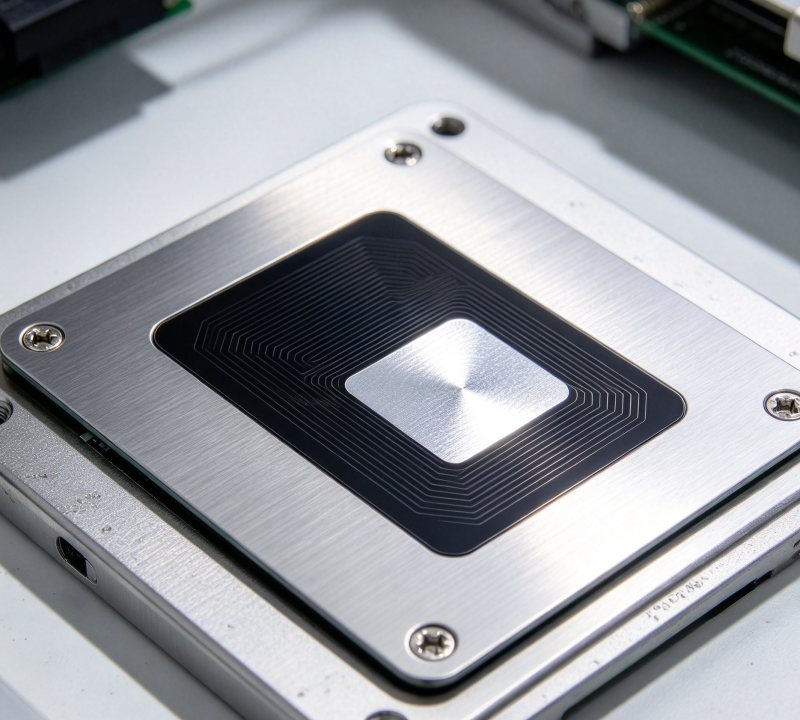
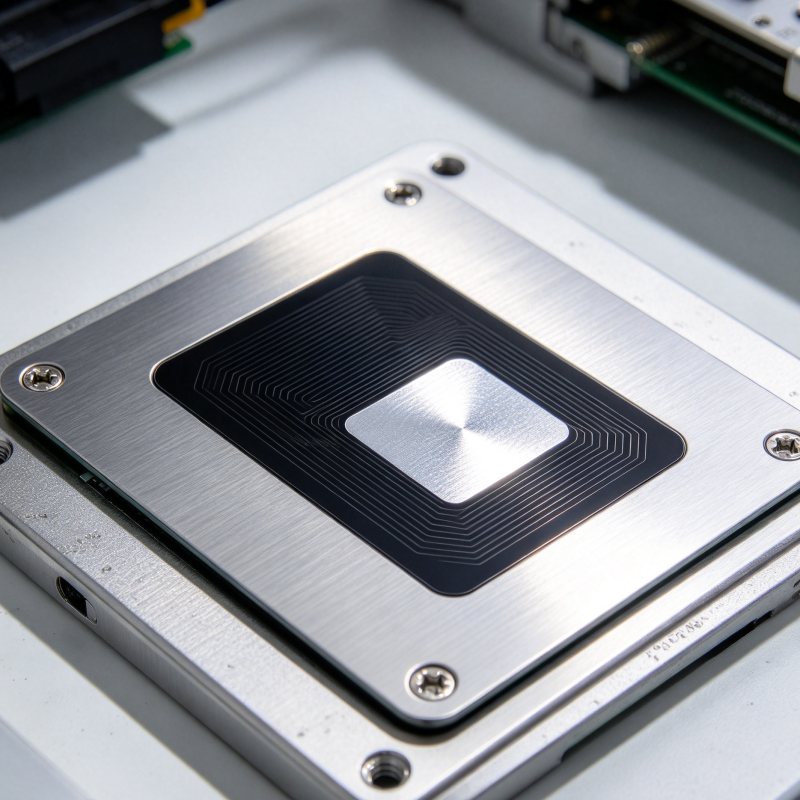
A UHF 1.5 dBi ceramic antenna is a small, high-efficiency antenna designed for Ultra High Frequency (UHF) applications, typically operating in the 860–960 MHz band. It uses ceramic material as the dielectric medium, allowing the antenna to maintain good performance while minimizing physical size.
Key Characteristics
- Gain: 1.5 dBi (low to moderate gain)
- Frequency: 860–960 MHz
- Material: High-dielectric ceramic
- Application: Short-range RFID and embedded systems
👉 It is particularly suitable for devices requiring compact size and controlled read range.
Antenna | ||
1 | Size | 25mm*25mm*4mm |
2 | Frequency Range | 915MHz±2MHz |
3 | V.S.W.R | 1.5 MAX |
4 | Band | 3 MHz MIN |
5 | Gain | 1dB typ @50mm*50mm groundplane |
6 | Impendence | 50Ω |
7 | Polarization | RHCP |
Material
No | Part Name | SPEC |
1 | Antenna | Dielectric Ceramics |
2 | PCB | FR4 |
3 | RF Cable | RG316 |
L=50mm | ||
4 | RF Connector | SMA or customzied |
Environment Condition
1 | Working Temp | –40℃~+85℃, 10%~95% RH |
2 | Storage Temp | –55℃~+100℃, 10%~95% RH |
3 | Vibration | Sine sweep @1.5mmAM 10~55Hz each Axis |
Testing Curve
1.Patch Simth& VSWR


Understanding 1.5 dBi Gain: What Does It Mean?
Antenna gain determines how efficiently an antenna radiates or receives signals.
Features of 1.5 dBi Gain
- Wide radiation pattern
- Short reading distance
- Low signal concentration
- High stability in close-range environments
Gain Comparison
| Gain Level | Coverage | Typical Use |
|---|---|---|
| 1–2 dBi | Very wide | Short-range RFID |
| 3 dBi | Balanced | General RFID systems |
| 6 dBi+ | Narrow | Long-range applications |
👉 1.5 dBi is ideal for precision-focused, short-range systems.
How Does a UHF Ceramic Antenna Work?
The antenna acts as a transceiver for electromagnetic waves.
Working Process
- The RFID reader generates RF signals
- The antenna transmits signals into space
- RFID tags receive the signal and respond
- The antenna captures the return signal
- Data is processed by the reader
The ceramic material enhances:
- Signal stability
- Frequency accuracy
- Miniaturization
Key Features of UHF 1.5 dBi Ceramic Antennas
1. Ultra-Compact Design
- Smaller than PCB antennas
- Ideal for embedded applications
2. Wide Radiation Coverage
- Omnidirectional pattern
- Suitable for close-range scanning
3. Stable Performance
- Consistent signal output
- Less affected by environmental changes
4. Low Interference Risk
- Reduced signal overlap
- Ideal for controlled reading zones
5. Easy Integration
- Surface mount compatibility
- Flexible installation options
Advantages of UHF 1.5 dBi Ceramic Antennas
1. Precise Short-Range Performance
- Controlled read distance
- Prevents cross-reading
2. Space-Saving Design
- Ideal for compact devices
- Supports miniaturization
3. High Stability
- Reliable signal transmission
- Consistent performance
4. Cost-Effective
- Lower production cost
- Suitable for large-scale deployment
Limitations to Consider
- Limited reading range
- Not suitable for long-distance applications
- Requires proper design integration
Applications of UHF 1.5 dBi Ceramic Antennas
1. Short-Range RFID Readers
- Desktop readers
- Embedded RFID modules
2. Production Line Management
- Item-level tracking
- Process control
3. Smart Devices
- IoT sensors
- Smart terminals
4. Access Control Systems
- ID verification
- Secure entry systems
5. Retail and Inventory Systems
- Shelf-level tracking
- Anti-theft systems
1.5 dBi vs 3 dBi Ceramic Antenna
| Feature | 1.5 dBi | 3 dBi |
|---|---|---|
| Range | Short | Medium |
| Coverage | Wider | Balanced |
| Accuracy | Higher | Moderate |
| Use Case | Precision | General |
👉 Choose 1.5 dBi for accuracy, 3 dBi for range.
Ceramic Antenna vs External Antenna
| Feature | Ceramic Antenna | External Antenna |
|---|---|---|
| Size | Small | Large |
| Range | Short | Long |
| Integration | Easy | Complex |
| Cost | Lower | Higher |
Design Considerations
1. Placement Optimization
- Avoid metal interference
- Ensure clear signal path
2. Impedance Matching
- Essential for performance
- Reduces signal loss
3. Ground Plane Design
- Impacts radiation pattern
- Must be carefully designed
4. Environmental Factors
- Temperature
- Humidity
- EMI interference
ROI Benefits for Businesses
Using UHF 1.5 dBi ceramic antennas can:
- Improve system accuracy
- Reduce operational errors
- Lower hardware costs
- Enable compact product design
How to Choose the Right UHF 1.5 dBi Ceramic Antenna
1. Application Requirements
- Short-range → 1.5 dBi
- Medium-range → 3 dBi
2. Device Size Constraints
Choose based on available space.
3. Frequency Compatibility
Ensure support for regional standards.
4. Integration Needs
Check compatibility with RFID modules.
Installation Best Practices
- Test in real-world conditions
- Avoid signal blockage
- Optimize positioning
- Ensure proper shielding
Common Mistakes to Avoid
- Ignoring antenna placement
- Choosing incorrect gain
- Poor impedance matching
- Lack of testing
Future Trends in Ceramic Antenna Technology
- Ultra-miniaturization
- Improved efficiency
- Integration with IoT devices
- Smart antenna systems
FAQ: UHF 1.5 dBi Ceramic Antenna
1. What is 1.5 dBi used for?
Short-range, high-precision RFID applications.
2. Is it suitable for long-range reading?
No, it is designed for short distances.
3. What is the main advantage?
Compact size and high accuracy.
4. Can it be customized?
Yes, size and specifications can be tailored.
5. Is it durable?
Yes, ceramic material is stable and reliable.
Conclusion
The UHF 1.5 dBi ceramic antenna is an excellent solution for applications requiring compact size, precise short-range performance, and reliable signal stability. Its wide radiation pattern and low interference make it ideal for controlled RFID environments such as production lines, embedded systems, and smart devices.
By selecting the right antenna and optimizing system design, businesses can significantly improve RFID performance and operational efficiency.
Call to Action
Looking for high-quality UHF ceramic antennas?
- Custom design solutions
- Reliable performance
- Competitive pricing
👉 Contact us today to find the best UHF 1.5 dBi ceramic antenna for your application.