October 21, 2026
RFID Tag There are many other applications for jewelry is a global frequency compliance with EPC Global Class 1 Gen 2 and ISO-18000 6C. The tag shows unprecedented performance over the entire band width of 860-960MHz and it is reliable in dense RF environments, thereby increasing the read rates in densely packed cases. It features 96 to 128bit EPC number, and 32-bit TID with a tamper proof design. Anti-collision allows multiple amounts of jewelry tags to be read in the field at the same time. However, the reader can be set to find a single tag as well.
What Are UHF RFID Jewelry Sticker Labels?
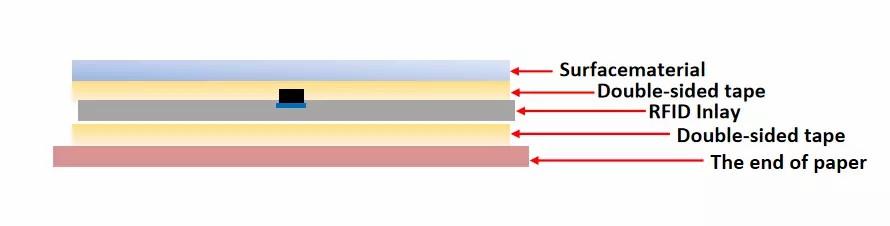
A UHF RFID jewelry sticker label tag is a specially designed RFID tag that operates in the Ultra High Frequency (UHF) range, typically between 860 MHz and 960 MHz. It consists of an RFID chip, antenna, adhesive layer, and printable surface, allowing it to be attached directly to jewelry packaging, price tags, or jewelry holders.
Unlike traditional barcode labels, RFID tags do not need to be scanned individually. Multiple RFID tags can be read simultaneously by an RFID reader, making them ideal for fast inventory counting and automated management.
Each RFID jewelry tag contains a unique identification number, usually stored in the EPC (Electronic Product Code) memory of the RFID chip. This unique ID can be linked with detailed product information, including:
- Jewelry model number
- Product category
- Material information
- Gemstone details
- Weight
- Price
- Production information
- Supplier information
- Sales status
Through integration with jewelry management software, companies can create a complete digital record for every jewelry item throughout its lifecycle.
Specification
| Product | Hot Custom Logo UHF RFID Tag Jewelry Label For Jewellery |
| Material | PVC , PET, PETG, Paper |
| Size | 30*15, 35*35, 37*19mm, 38*25, 40*25, 50*50, 56*18, 73*23, 80*50, 86*54, 100*15, etc, or customized |
| Frequency | 13.56MHz, 860-960 MHz |
| Protocal | ISO14443A,ISO15693,ISO18000-6C, ISO18000-6B |
| Chip | NFC213/215/216,H3, MZ4/5/6, U7, U8 etc |
| Memory | 512 bits, 128 bits, etc |
| Reading/Writing distance | 0~10cm for HF, 0-10m uhf, depends on the reader and environment |
| Personalization | OEM,ODM |
| Package | Pack in roll, or punch to seperate single pcs |
| Shipment | By Express, by air, by sea |
| Application | Jewelry, Sunglasses tracking and identification |
Product Shows



Why Does the Jewelry Industry Need RFID Technology?
1. Faster and More Accurate Inventory Management
Inventory counting is one of the biggest challenges for jewelry businesses. Traditional methods require employees to manually check each item or scan each barcode individually. For stores with thousands of jewelry pieces, this process can take many hours or even several days.
Manual inventory counting also creates risks such as:
- Incorrect quantity records
- Missing products
- Human counting mistakes
- Difficulty identifying misplaced items
UHF RFID technology dramatically improves this process. Employees can use handheld RFID readers to scan hundreds of jewelry tags within seconds, even when the products are inside display cases or storage boxes.
This allows jewelry stores and warehouses to complete inventory checks much faster while improving accuracy.
2. Improved Security and Loss Prevention
Because jewelry products have high economic value, security is a major concern for retailers and manufacturers.
Traditional security methods mainly rely on cameras and manual supervision. However, these methods cannot always identify when a specific product has been moved or removed.
RFID-based jewelry management systems provide better visibility by tracking product movement in real time.
For example:
- When a jewelry item leaves a storage area, the system can record the movement.
- When an item is moved without authorization, an alarm can be triggered.
- Staff can quickly identify missing products through RFID inventory comparison.
This helps reduce inventory losses and improves overall security management.
3. Real-Time Jewelry Tracking
Modern jewelry businesses require accurate information about product locations and availability.
With RFID technology, companies can monitor:
- Which products are currently in stock
- Which items are displayed in stores
- Which products are transferred between branches
- Which items have been sold
- Which products require restocking
This real-time visibility allows managers to make better business decisions.
For multi-store jewelry brands, RFID technology is especially valuable because inventory information from different locations can be synchronized through a centralized management platform.
How Does a UHF RFID Jewelry Management System Work?
A complete RFID jewelry management solution usually includes three main components:
1. RFID Jewelry Tags
Each jewelry product receives a unique RFID sticker label.
The tag stores identification data and communicates wirelessly with RFID readers.
Jewelry RFID tags are designed with special features:
- Small size
- Lightweight structure
- Strong adhesive backing
- High reading reliability
- Printable surface for product information
- Compatibility with jewelry management software
Because jewelry items are often very small, RFID labels must be carefully designed to maintain performance while keeping the tag size minimal.
2. RFID Readers
RFID readers communicate with tags using radio waves.
Common RFID reader types used in jewelry applications include:
Handheld RFID Readers
Portable RFID scanners allow employees to quickly perform inventory checks in stores and warehouses.
Advantages:
- Easy to carry
- Fast scanning speed
- Suitable for stocktaking
- Flexible operation
Desktop RFID Readers
Desktop readers are often used at:
- Sales counters
- Receiving areas
- Packing stations
They help verify products during transactions and shipment processes.
Smart Display Cabinets
Some advanced jewelry stores install RFID-enabled display cabinets.
These systems can automatically detect:
- Which jewelry items are inside the cabinet
- When products are removed
- When products are returned
This creates a smarter and safer retail environment.
3. Jewelry Management Software
RFID hardware works together with software platforms to provide complete inventory management.
The software can manage:
- Product registration
- Inventory information
- Sales records
- Warehouse transfers
- Employee operations
- Loss prevention reports
By connecting RFID data with ERP, POS, or inventory management systems, businesses can achieve fully digital jewelry management.
Special Design Requirements for Jewelry RFID Tags
Jewelry products create special challenges for RFID applications.
Many jewelry items contain metal components, such as:
- Gold
- Silver
- Platinum
- Metal accessories
Metal can interfere with RFID signals and reduce reading performance. Therefore, jewelry RFID tags require optimized antenna designs and specialized manufacturing processes.
A high-quality UHF RFID jewelry label should provide:
Small Form Factor
Jewelry products are usually small, so RFID tags must be compact enough to avoid affecting appearance.
Reliable Reading Performance
The tag should maintain stable communication with RFID readers at practical distances.
Strong Adhesion
The adhesive layer should securely attach the label to jewelry packaging or holders.
Printable Surface
Retailers often need to print:
- Barcodes
- Product numbers
- Brand information
- Pricing information
on the RFID label surface.
Durability
The label should withstand normal storage and handling conditions without damage.
Applications of UHF RFID Jewelry Labels
Jewelry Retail Stores
Retail stores use RFID tags to improve daily operations.
Common applications include:
- Daily inventory checks
- Product searching
- Stock monitoring
- Sales management
- Customer service improvement
Employees can quickly locate products without manually checking every drawer or display case.
Jewelry Manufacturing
Manufacturers use RFID technology throughout production processes.
RFID can help track:
- Raw materials
- Semi-finished products
- Finished jewelry
- Quality inspection records
This improves production transparency and reduces management difficulties.
Jewelry Warehouses and Distribution Centers
Large jewelry distributors often manage thousands of valuable products.
RFID enables:
- Faster receiving processes
- Automated shipment verification
- Accurate warehouse inventory
- Better logistics management
Before shipment, workers can verify hundreds of products automatically instead of checking each item manually.
Luxury Brands and High-End Retail
Luxury jewelry brands require advanced technologies to maintain product authenticity and provide premium customer experiences.
RFID technology can support:
- Product authentication
- Digital product history
- After-sales services
- Customer engagement
By connecting RFID data with digital platforms, brands can create a more transparent and trustworthy relationship with customers.
Benefits of Using UHF RFID Jewelry Tags
Increased Operational Efficiency
RFID reduces the time required for inventory management and product tracking.
Employees spend less time counting products and more time serving customers.
Reduced Human Errors
Automated identification reduces mistakes caused by manual recording and barcode scanning.
Better Inventory Visibility
Businesses gain real-time information about product quantity, location, and movement.
Enhanced Product Security
RFID helps detect unauthorized movement and reduces inventory losses.
Improved Customer Experience
Faster product searches and accurate inventory information allow sales staff to provide better service.
Conclusion
UHF RFID sticker jewelry label tags provide an innovative solution for modern jewelry management. By combining small-size RFID labels, advanced readers, and intelligent software platforms, jewelry businesses can achieve faster inventory management, improved security, and complete product visibility.
Compared with traditional barcode and manual management methods, RFID technology offers significant advantages in efficiency, accuracy, and automation.
For jewelry retailers, manufacturers, and distributors looking to improve operational performance and reduce management costs, UHF RFID jewelry tags represent an important step toward smarter and more efficient jewelry management.
As the jewelry industry continues to embrace digital transformation, RFID technology will play an increasingly important role in creating secure, transparent, and intelligent jewelry supply chains.
Get in touch with our RFID experts for customized tag solutions and competitive pricing.