November 8, 2026
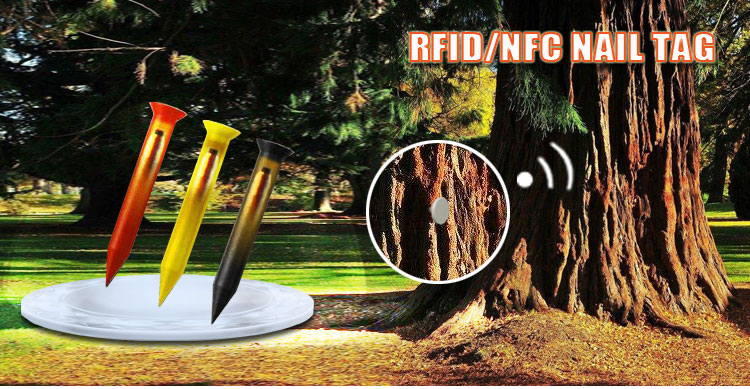
The Waterproof NFC Nail RFID Tree Tag is a compact, insertable RFID and NFC tag designed for identifying trees, wooden assets, outdoor equipment, and other items where a discreet and durable identification method is required. Its nail-style cylindrical design allows the tag to be installed inside wood, helping protect the RFID inlay from direct exposure and reducing the risk of accidental removal.
Available in LF, HF/NFC, and UHF RFID configurations, this tree tag can be supplied with different chip options to match your reader, application, and identification requirements. The HF/NFC version is particularly suitable for applications where users need to read a tag with a compatible NFC-enabled smartphone or reader.
With a small 36 × 6 mm form factor, multiple frequency options, customizable colors, and an operating temperature range of approximately -40°C to +85°C, this RFID tree tag is suitable for forestry, parks, gardens, nurseries, wood products, furniture, and other asset identification applications.
Features
1)Fast, secure installation – Waterproof NFC Nail RFID Tree Tags are easily driven into place, and are nearly impossible to remove.
2)Reliability – high resistance to moisture, thermal fluctuation, vibration, and shock.
3)Recording–Waterproof NFC Nail RFID Tree Tags can Record all information from sapling to towering trees.
4)Tracking– Furniture factory can know the wood from which place is the best choice.

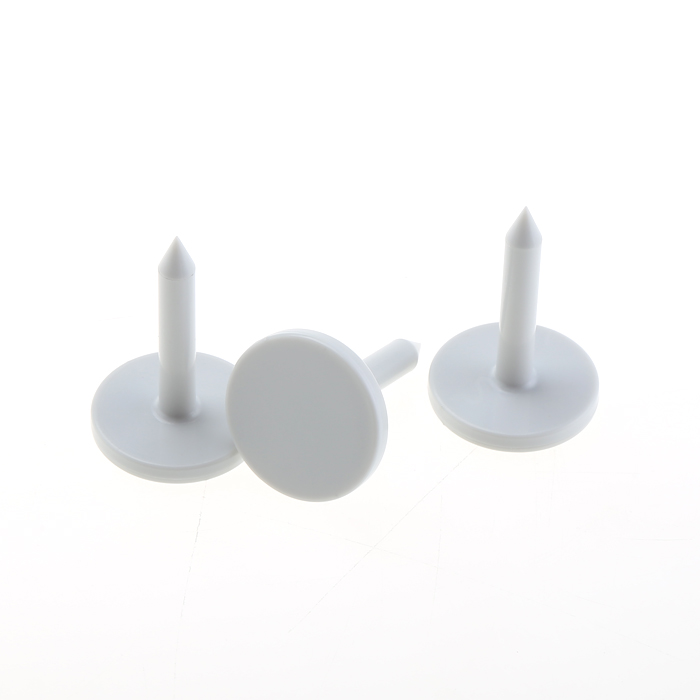

Waterproof NFC Nail RFID Tree Tags of Technical Specification
| Material | ABS Plastic | |
| Color type | Blue,red ,black, white,yellow,gray, customised | |
| Chip Available | LF chip | TK4100,EM4102,EM4200,T5577,etc |
| HF chip | F08,classic S50,classic S70, nfc 213 215 216 etc | |
| UHF chip | GEN2 ALIEN H3 IMPINJ M4, etc | |
| Frequency | 125KHz(LH),13.56MHz(HF),860-960MHz(UHF) | |
| Protocol | ISO 14443A, ISO15693, ISO 18000-6C, | |
| Dimensions(DxL) | 36*6mm | |
| Reading Distance | 1-10cm(depend on reader) | |
| Packing | 100pcs/OPP bag, 20opp bag/ carton | |
| Working temperature | -40℃ to +85℃ | |
| Application range | Nail into all kinds of wooden items, and waterproof and anti chemical etching – Item identificaty(Tree,garbage can,furniture wood,etc) – Security – Logistic & inventory -People can use it to manage non-metal articles packages, parks,forests, wooden furnitures etc. | |
| Installation | 1. Make a hole in the wood or tree(diameter 36*6mm) 2. Insert Nex-211 nail tag with a rubber plastic hammer 3.Avoid drilling nail tag in the wood or tree directly, which will damage nail tag | |
Product shows



NFC vs. RFID: Which Version Should You Choose?
NFC is based on high-frequency RFID technology, but not every RFID tag can be read directly by a smartphone. The choice should therefore be based on the reader you plan to use.
| Requirement | LF RFID | HF / NFC | UHF RFID |
|---|---|---|---|
| Frequency | 125 kHz | 13.56 MHz | 860–960 MHz |
| Smartphone NFC reading | No | Yes, with compatible NFC tag | No |
| Typical reading method | LF reader | NFC phone or HF reader | UHF reader |
| Short-range identification | Suitable | Excellent | Suitable |
| Longer-range inventory | Limited | Limited | Better suited |
| Individual tree records | Suitable | Excellent | Suitable |
| Mobile field operation | Requires reader | Very convenient | Requires UHF reader |
For a tree-management system based on smartphones, the 13.56 MHz NFC version is generally the relevant configuration. For large-scale inventory where many tags need to be identified from a greater distance, a UHF configuration may be more appropriate.
Available NFC and RFID Chip Options
Different projects may require different RFID chips. The available configurations listed for this product include common LF, HF/NFC, and UHF chip families.
| Technology | Example Chip Options | Suitable Applications |
|---|---|---|
| LF 125 kHz | TK4100, EM4102, EM4200, T5577 | Basic RFID identification |
| HF 13.56 MHz | F08, MIFARE Classic S50/S70 | HF RFID systems |
| NFC | NTAG213, NTAG215, NTAG216 | Smartphone-readable NFC applications |
| UHF | GEN2, Alien H3, Impinj M4 | Inventory and longer-range RFID |
Chip availability may vary according to project requirements and current production arrangements. If you are developing a custom system, provide your reader model or required RFID protocol so the appropriate chip can be selected.
How Does an NFC Tree Tag Work?
An NFC tree tag provides a physical link between an individual tree and its digital record.
For example, an NFC tag can be associated with a unique tree ID such as:
Tree ID: TREE-000123
The NFC tag itself can be programmed according to the requirements of the project. In a digital tree-management system, the NFC tag may point to a web page containing information such as:
- Tree species
- Tree identification number
- Planting date
- Location
- Tree photographs
- Maintenance history
- Inspection records
- Health observations
- Pruning records
- Treatment information
When a compatible smartphone is brought close to the NFC tag, the phone can identify the tag or access its programmed NFC information, depending on the selected NFC chip and system configuration.
NFC Tree Tag Installation Guide
The nail-style tag is designed to be installed into a prepared hole rather than being drilled directly into the tag.
A typical installation process is:
- Select the appropriate installation position.
- Prepare a hole suitable for the 36 × 6 mm tag.
- Clean the hole if necessary.
- Position the RFID nail tag correctly.
- Carefully insert the tag into the prepared hole.
- Use a suitable rubber or plastic hammer to seat the tag.
Avoid drilling directly into the RFID tag or applying excessive force during installation. Improper installation can damage the enclosure or RFID inlay.
For live trees, installation procedures should also follow the requirements of the relevant forestry, arboricultural, or property-management authority.
NFC Tree Tags vs. Traditional Tree Labels
Different identification methods can be used for tree management. Each has its own advantages.
| Identification Method | Hidden Installation | Smartphone NFC | Visual Information | RFID Reading | Typical Use |
|---|---|---|---|---|---|
| NFC Nail Tag | Yes | Yes | Limited | Yes | Digital tree records |
| QR Code Label | No | Camera required | Yes | No | Public information |
| Metal Tree Tag | Usually no | No | Yes | No | Simple identification |
| Adhesive RFID Label | No | Depends on chip | Limited | Yes | Indoor/general assets |
| UHF RFID Tag | Possible | No | Limited | Yes | Large-scale inventory |
NFC nail tags are particularly useful when the goal is to combine a physical tree identifier with a digital information system while keeping the physical tag relatively discreet.
Applications
Tree Identification
Assign a unique digital identity to individual trees in parks, campuses, botanical gardens, residential developments, and managed landscapes.
Each tag can correspond to a database record, allowing staff to connect the physical tree with digital maintenance information.
Forestry Management
RFID tree tags can support identification and tracking workflows in forestry and nursery operations. UHF versions may be considered when larger reading distances or batch inventory are required.
Botanical Gardens and Arboretums
NFC tags can connect plants and trees with digital information. Visitors or staff can use NFC-enabled devices to access information associated with an individual specimen.
Tree Nurseries
Use RFID tags to associate plants or trees with internal inventory records, species information, cultivation history, or sales data.
Parks and Municipal Tree Management
A digital identification system can help organize inspection and maintenance records for trees located throughout public areas.
Wooden Products and Assets
The nail-style RFID format is not limited to trees. It can also be used for wooden furniture, timber products, pallets, equipment, and other wood-based assets where a compact embedded identification tag is preferred.
Application Comparison
| Application | Recommended Version | Main Benefit |
|---|---|---|
| Individual tree identification | HF / NFC | Easy mobile identification |
| Public tree information | HF / NFC | Smartphone interaction |
| Municipal tree database | HF / NFC | Digital record access |
| Nursery inventory | HF / NFC or UHF | Identification and tracking |
| Large-scale timber inventory | UHF | Longer-range RFID reading |
| Basic RFID identification | LF | Simple compatible RFID systems |
| Wooden asset management | HF/NFC or UHF | Embedded identification |
The final selection should be based on the reader infrastructure, required reading distance, data requirements, installation environment, and project scale.
Why Use an Embedded RFID Tree Tag?
External labels can be affected by handling, weather, cleaning, landscaping work, or accidental removal. An embedded tag places the RFID component inside the wooden material instead of leaving it completely exposed.
The nail-style design also avoids the need for a large visible sign. This can be useful when the physical identification system needs to be discreet while the digital information remains accessible to authorized users.
For NFC applications, the tag can become a simple connection between the physical tree and an online information system.
Customization Options
The RFID tree tag can be customized for different project requirements.
Possible customization areas include:
- RFID frequency
- RFID chip
- Tag color
- Data programming
- Identification number
- Packaging
- Application-specific configuration
If you require pre-programmed NFC tags, provide the desired URL structure, serial-number format, or data requirements before production.
For example, a project could use sequential IDs such as:
TREE-000001
TREE-000002
TREE-000003
These IDs can then be linked to records in an external tree-management database.
RFID Protocol Compatibility
Protocol compatibility should be checked before selecting the chip.
The available product configurations may support standards including:
| Protocol | Related Technology | Typical Application |
|---|---|---|
| ISO 14443A | HF / NFC | NFC and short-range identification |
| ISO 15693 | HF RFID | HF identification systems |
| ISO 18000-6C | UHF RFID | UHF inventory and tracking |
The RFID tag and reader must use compatible frequency and protocol standards. A UHF reader, for example, cannot directly replace an NFC smartphone for reading a 13.56 MHz NFC tag.
Read Range and Performance
RFID reading distance is not determined by the tag alone. Actual performance depends on several factors:
- RFID frequency
- Chip type
- Reader power
- Antenna design
- Tag orientation
- Installation depth
- Wood characteristics
- Surrounding materials
- Environmental conditions
The product information indicates a typical reading range of approximately 1–10 cm depending on the reader and configuration. This should be treated as an application reference rather than a universal guaranteed distance.
For projects requiring a specific reading distance, testing with the final reader and installed tag is recommended before mass production.
Packaging and Bulk Orders
The standard packaging information is approximately 100 pieces per OPP bag and 20 bags per carton.
For commercial forestry, municipal, nursery, and asset-management projects, bulk quantities and customized programming can be discussed according to project requirements.
When requesting a quotation, it is useful to provide:
- Required quantity
- RFID frequency
- Preferred chip
- Reader model
- Required color
- Whether programming is required
- Intended installation material
- Target application
Providing these details helps reduce compatibility issues during product selection.
Frequently Asked Questions
Can an NFC tree tag be read with a smartphone?
Yes, the 13.56 MHz NFC version can be designed for use with compatible NFC-enabled smartphones. The exact user experience depends on the selected NFC chip and how the tag is programmed.
Can the tag be installed inside a tree?
The nail-style design is intended for installation into wood after a suitable hole has been prepared. For living trees, installation should be performed according to appropriate arboricultural practices to minimize unnecessary damage.
Is this product only for trees?
No. The tag can also be used for wooden furniture, timber, nursery inventory, pallets, forestry assets, and other applications where embedded RFID identification is useful.
What is the difference between NFC and UHF?
NFC operates at 13.56 MHz and is designed for short-range communication, including compatible smartphone interaction. UHF operates at 860–960 MHz and is commonly selected for applications requiring longer-range or batch RFID reading.
Can the NFC tag store a website URL?
Compatible NFC chips such as NTAG213, NTAG215, and NTAG216 can be used for NFC applications involving programmed data such as URLs, subject to the memory capacity and configuration of the selected chip.
Can the tag color be customized?
Several colors are available, including blue, red, black, white, yellow, and gray. Custom colors may also be discussed for larger projects.
What reader should I use?
The reader depends on the selected RFID frequency. NFC versions can be used with compatible NFC-enabled smartphones or HF/NFC readers, while LF and UHF versions require their corresponding RFID readers.
How should I choose the right chip?
Start with your reader and application requirements. If smartphone reading is important, consider a compatible 13.56 MHz NFC chip. If longer-range inventory is required, consider a UHF configuration. For basic low-frequency RFID systems, an LF chip may be appropriate.
How to Order the Right RFID Tree Tag
Choosing an RFID tree tag should start with the complete identification workflow rather than the tag alone.
Before ordering, confirm:
| Question | Why It Matters |
|---|---|
| What reader will be used? | Determines RFID frequency and compatibility |
| Will smartphones be used? | Helps determine whether NFC is required |
| How far must the tag be read? | Helps select HF/NFC or UHF |
| Will the tag be installed in living trees? | Determines installation considerations |
| Is data programming required? | Determines production configuration |
| How many tags are required? | Helps determine packaging and customization |
| Is color coding required? | Supports visual organization |
For a smartphone-based tree identification project, a 13.56 MHz NFC nail tag is a practical starting point. For high-volume inventory and longer-range RFID operations, UHF should be evaluated instead.
Get a Quote for Waterproof NFC Nail RFID Tree Tags
Whether you are building a digital tree inventory, managing a nursery, tracking timber, or identifying wooden assets, the Waterproof NFC Nail RFID Tree Tag provides a compact way to connect physical assets with RFID-based digital identification.
Tell us your required quantity, RFID frequency, chip type, reader model, installation material, and programming requirements. Our team can help you select a suitable configuration and confirm compatibility before production.