October 21, 2026
Radio Frequency Identification (RFID) technology is no longer a niche innovation—it has become an invisible backbone of modern daily life, streamlining processes across industries and making everyday tasks more efficient. From the moment we shop for groceries to the time we board a bus or visit a library, RFID works behind the scenes to enhance how we interact with the world.
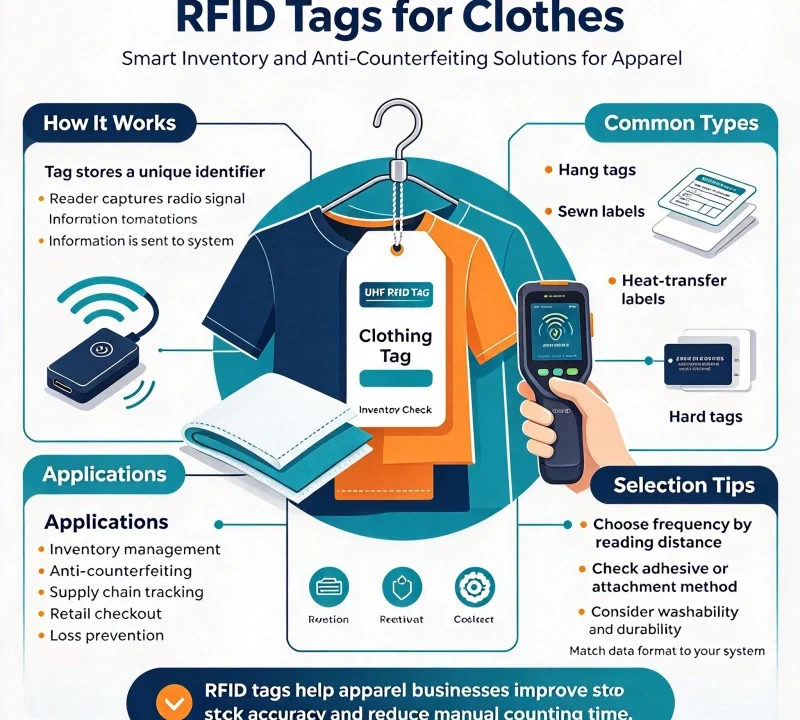
In retail, RFID tags attached to products revolutionize inventory management: stores can quickly track stock levels, reduce theft through real-time monitoring, and enhance customer experiences with interactive displays that pull detailed product information directly from tags. This not only saves time for employees but also helps shoppers make more informed decisions.
Public transportation systems worldwide rely on RFID contactless smart cards, making fare payment a breeze for commuters while simplifying fare collection and data management for transportation agencies. No more fumbling for change or waiting in long lines—just a quick tap and you’re on your way.
Healthcare is another sector where RFID shines. Hospitals use it to track medical equipment (like wheelchairs or defibrillators) so staff can locate vital tools in seconds, monitor patient movement to ensure safety, and verify that patients receive the correct medication. It even maintains temperature control for sensitive supplies like vaccines, adding an extra layer of protection for vulnerable materials.
Access control systems for buildings and vehicles have also gone digital with RFID. Instead of traditional keys, employees or residents use RFID-enabled cards or fobs to gain secure, convenient access to restricted areas—no more lost keys or costly rekeying.
The automotive industry uses RFID for keyless entry systems, letting drivers unlock their cars with a simple proximity sensor, and for highway toll collection, which cuts down on traffic jams at toll booths.
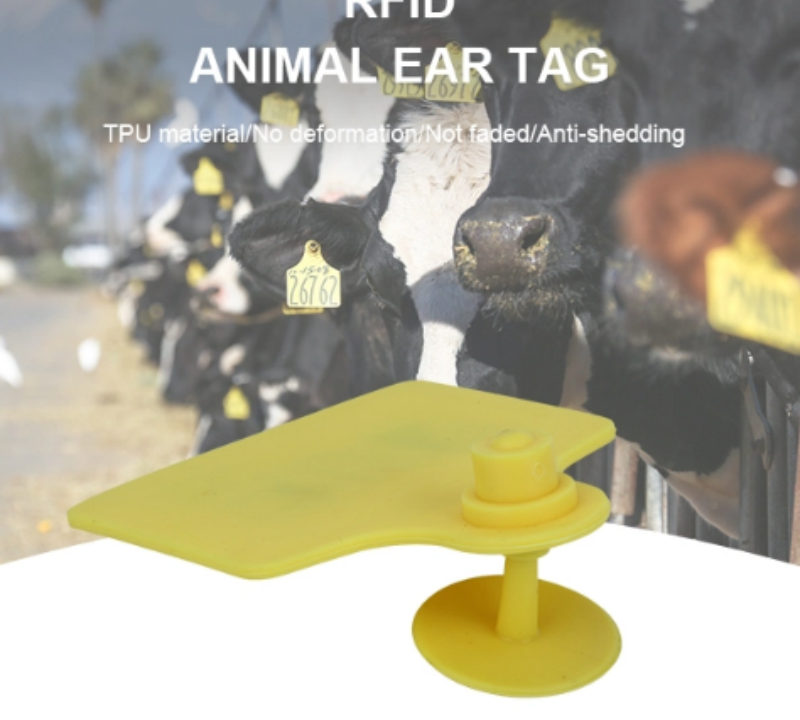
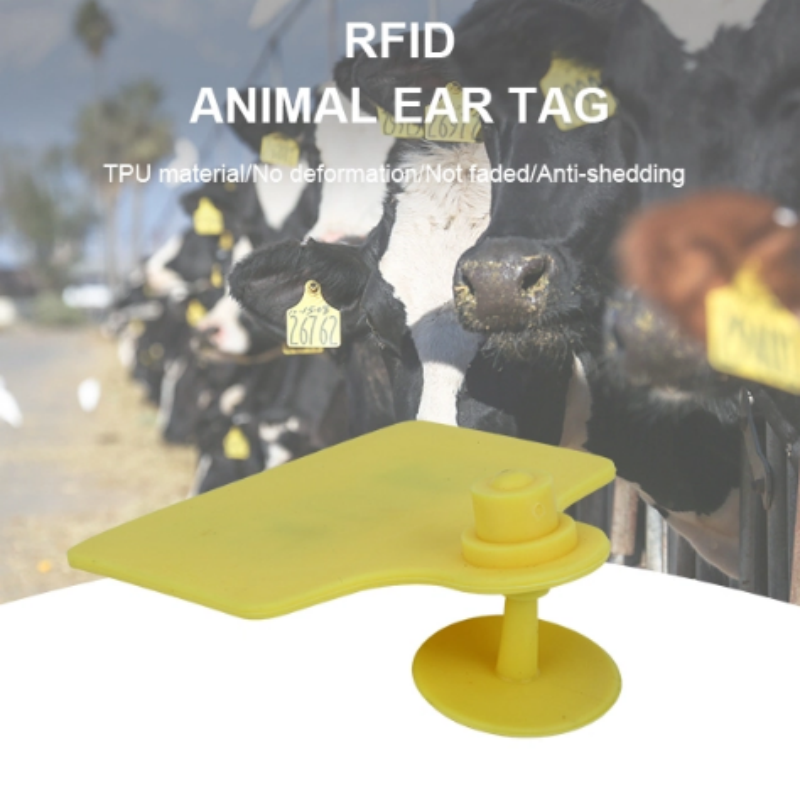
In farming and wildlife management, RFID tags help track animal health and location. This is crucial for sustainable agriculture, as it lets farmers monitor livestock efficiently, and for conservationists to protect endangered species.
Libraries have embraced RFID to automate check-in and check-out processes and track the location of books and materials. Patrons can quickly borrow or return items without waiting for staff assistance, and librarians can easily manage inventory, ensuring popular books are always available.
Businesses across manufacturing, logistics, and retail use RFID for asset tracking. Whether it’s expensive machinery in a factory, shipments in a warehouse, or high-value items in a store, RFID ensures valuable assets are always accounted for, reducing loss and improving operational efficiency.
Sports timing systems depend on RFID for precise athlete performance measurements. From marathons to cycling races, [RFID silicone wristbands](https://www.dorfidtag.com/RFID-silicone-wristbands-RFID-wristbands-event-wristbands_2421.html) worn by athletes transmit real-time data to readers, allowing organizers to track finish times with unmatched accuracy. This technology has become a staple in competitive sports, ensuring fair results and enhancing the spectator experience.
Even waste management benefits from RFID. Cities use tagged bins to track collection and disposal routes, optimizing truck schedules to reduce fuel use and emissions. This not only improves efficiency but also helps minimize environmental pollution.
As RFID technology becomes more affordable and advanced, its integration into daily life will only deepen. From small convenience store inventory checks to large-scale waste management systems, RFID is proving to be an indispensable tool for a smarter, more connected world. Its ability to track, monitor, and automate processes will continue to shape how we live and work—making everyday life just a little bit easier.

Au is an RFID and NFC manufacturer based in Shenzhen, China, with over 10 years of experience.