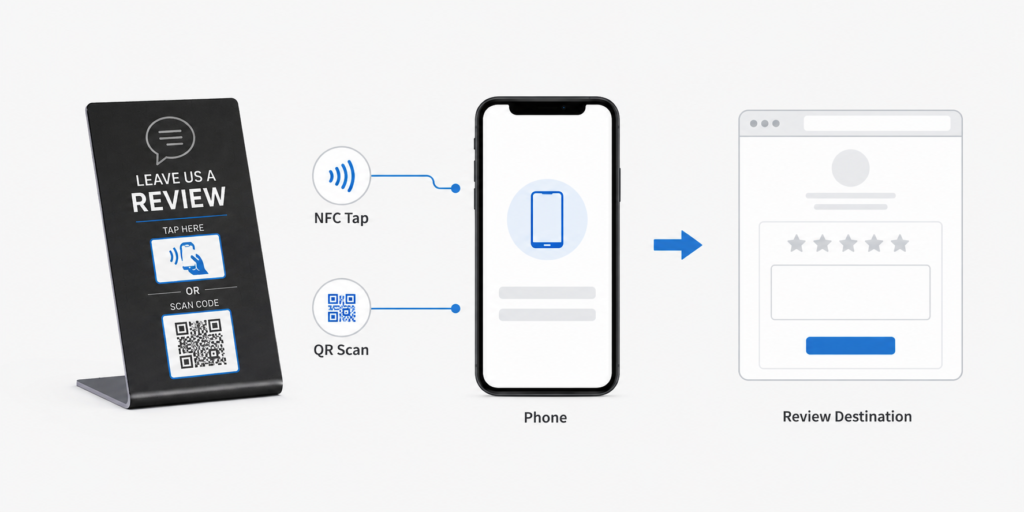
Near Field Communication (NFC) technology has quietly become part of everyday life. From contactless payments and access cards to smart posters and product authentication, NFC enables fast, secure, and convenient data exchange with a simple tap. At the heart of this ecosystem are blank NFC tags—small, programmable components that make endless customization possible.
This guide explores what blank NFC tags are, how they work, their types, applications, customization options, and how to choose the right NFC tag for your project. Whether you are a business owner, developer, marketer, or system integrator, this article will help you understand how to use blank NFC tags effectively and intelligently.
What Are Blank NFC Tags?
Blank NFC tags are unprogrammed NFC-enabled chips embedded in various physical formats such as stickers, cards, key fobs, wristbands, or labels. They do not contain predefined data when shipped, allowing users to program them according to specific needs.
Once programmed, an NFC tag can store and transmit small amounts of data to an NFC-enabled device, typically a smartphone or reader, when brought within close range.
Blank NFC tags are widely used because they are:
Flexible and reusable
Easy to program
Compatible with standard NFC devices
Cost-effective for mass deployment
In essence, they are the “blank canvas” of NFC technology.
How NFC Technology Works
NFC is a short-range wireless communication technology operating at 13.56 MHz. It allows data exchange between two devices placed within a few centimeters of each other.
A blank NFC tag is a passive device, meaning it does not require a battery. Instead, it draws power from the electromagnetic field generated by an NFC reader, such as a smartphone.
When tapped:
The reader powers the NFC tag
The tag transmits stored data
The reader interprets and executes the data
This simplicity makes NFC reliable, fast, and secure.
Key Components of a Blank NFC Tag
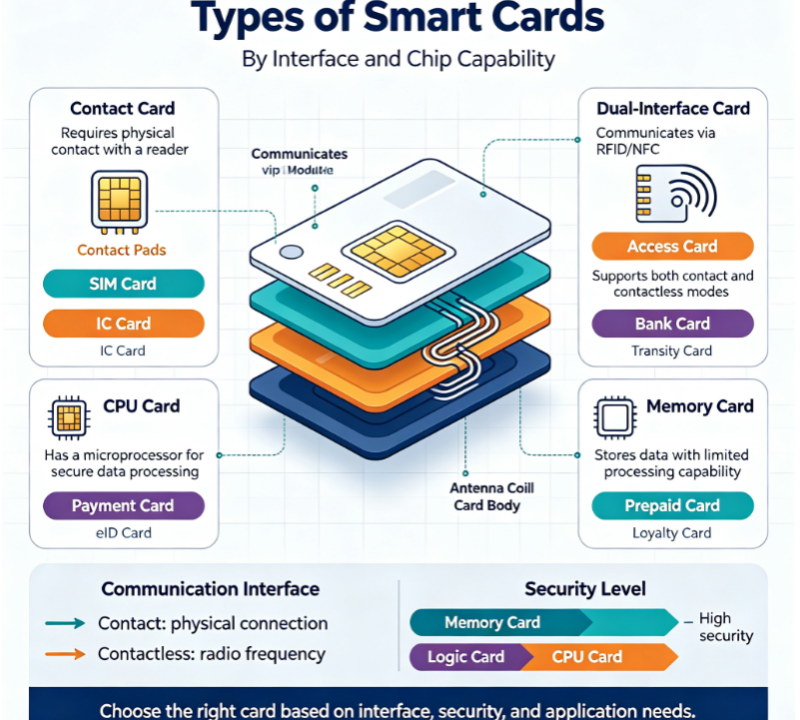
Every blank NFC tag consists of three essential elements:
The NFC chip stores data and manages communication protocols.
The antenna enables wireless communication between the tag and reader.
The substrate or housing protects the chip and antenna.
The quality of these components determines reading distance, durability, and overall performance.
Common Types of Blank NFC Tags
Blank NFC tags come in several standardized chip types, each designed for different applications.
NFC Type 1 Tags
These are low-cost tags with limited memory, suitable for basic applications such as URL sharing or simple automation tasks.
NFC Type 2 Tags
Widely used and compatible with most smartphones, Type 2 tags offer moderate memory and good reliability.
NFC Type 4 Tags
These provide higher security and larger memory capacity, making them suitable for access control and secure applications.
NFC Type 5 Tags
Designed for industrial and extended-range use, Type 5 tags offer robust performance in challenging environments.
Choosing the right type depends on memory needs, security requirements, and budget.
Memory Capacity Explained
Blank NFC tags are available with varying memory sizes, typically ranging from a few dozen bytes to several kilobytes.
Small memory tags are sufficient for:
URLs
Text strings
Simple commands
Larger memory tags support:
Digital business cards
Product information
Secure authentication data
Encrypted applications
It is important to match memory size to your actual data needs to avoid unnecessary cost.
Physical Formats of Blank NFC Tags
One of the biggest advantages of blank NFC tags is their variety of physical forms.
NFC Stickers and Labels
These are thin, adhesive-backed tags ideal for packaging, posters, and product labels.
NFC Cards
Card-style tags resemble credit cards and are commonly used for access control, identification, and membership systems.
NFC Key Fobs
Durable and compact, key fobs are ideal for daily use, especially in access and security applications.
NFC Wristbands
Often used in events, gyms, and healthcare, wristbands combine convenience with durability.
Industrial NFC Tags
These are rugged tags designed to withstand heat, moisture, chemicals, and mechanical stress.
Customization Options for Blank NFC Tags
Customization is where blank NFC tags truly shine.
Data Programming
Tags can be programmed with:
Website URLs
App launch commands
Contact details
Wi-Fi credentials
Payment or authentication triggers
Programming can be done using smartphones, tablets, or dedicated NFC writers.
Visual Customization
Tags can be printed with logos, QR codes, serial numbers, or branding elements.
Material Customization
Different materials can be used depending on the environment, including PVC, PET, ABS, epoxy, or metal-resistant designs.
Security Configuration
Some NFC tags allow password protection, read-only locking, or encryption to prevent unauthorized modification.
How to Program Blank NFC Tags
Programming blank NFC tags is straightforward and does not require advanced technical skills.
Most smartphones support NFC and can write tags using free or paid apps. The user simply selects the desired action, taps the tag, and confirms the write operation.
For large-scale projects, desktop NFC writers and automated encoding systems are commonly used.
Practical Applications of Blank NFC Tags
Blank NFC tags are used across a wide range of industries.
Marketing and Advertising
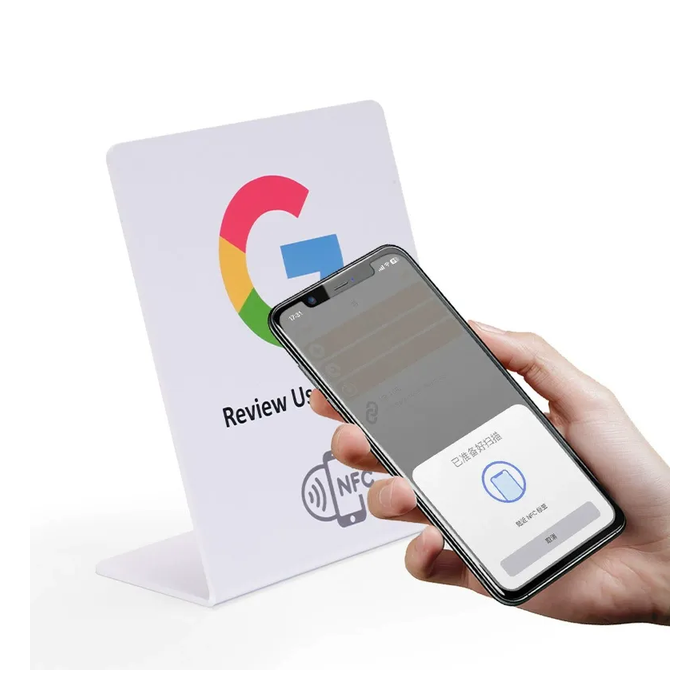
NFC tags on posters, packaging, or displays allow users to access promotions, videos, or landing pages instantly.
Retail and Product Packaging
Brands use NFC tags for product authentication, traceability, and interactive customer engagement.
Access Control and Security
NFC cards and key fobs are widely used in offices, hotels, and residential buildings.
Smart Home and Automation
NFC tags trigger smart home actions such as turning on lights, adjusting thermostats, or launching routines.
Healthcare
Hospitals use NFC tags for patient identification, medication tracking, and equipment management.
Logistics and Asset Tracking
NFC tags help track inventory, monitor maintenance schedules, and improve asset visibility.
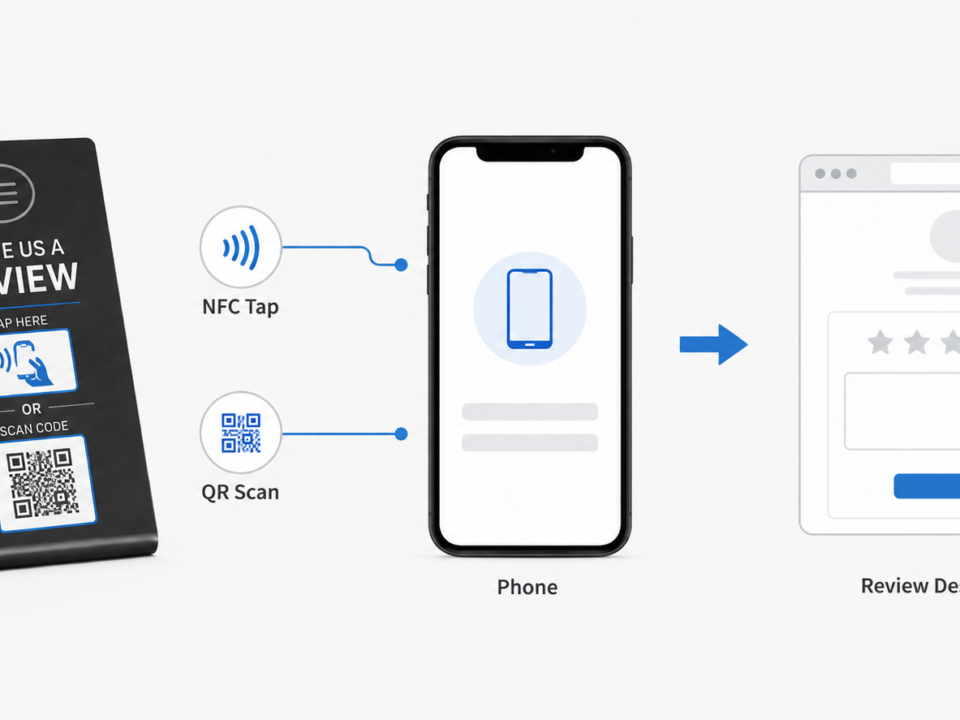
NFC vs QR Codes: A Practical Comparison
Both NFC tags and QR codes enable digital interaction, but they serve different use cases.
NFC tags offer a tap-and-go experience without opening a camera app. They are more seamless but slightly more expensive.
QR codes are cheaper and visually obvious, but require scanning and manual interaction.
Many businesses combine both technologies for maximum accessibility.
Durability and Environmental Considerations
Choosing the right NFC tag material is critical for long-term reliability.
Indoor applications can use standard adhesive tags. Outdoor or industrial environments require weatherproof, UV-resistant, or metal-mount tags.
Failure to match the tag to the environment often leads to reduced lifespan and performance issues.
Security and Privacy Considerations
While NFC technology is inherently short-range, security still matters.
Advanced NFC tags support:
Unique identifiers
Password protection
Encrypted communication
Secure element integration
For applications involving payments, access, or sensitive data, choosing the right security level is essential.
How to Choose the Right Blank NFC Tag
When selecting blank NFC tags, consider:
Intended application
Required memory capacity
Physical environment
Security requirements
Device compatibility
Volume and budget
A clear understanding of these factors prevents overengineering or underperformance.
Bulk Purchasing and Cost Efficiency
Blank NFC tags are highly cost-effective when purchased in bulk. Pricing depends on chip type, memory size, material, and customization level.
Bulk purchasing is common for marketing campaigns, access systems, and product packaging projects.
Integration with Existing Systems
NFC tags integrate easily with mobile apps, CRM systems, inventory software, and access control platforms.
This flexibility allows businesses to build scalable solutions without replacing existing infrastructure.
Future Trends in NFC Technology
The future of NFC is closely tied to the growth of the Internet of Things and smart environments.
Emerging trends include:
Increased memory capacity
Better security features
Longer read ranges
Deeper integration with mobile operating systems
Blank NFC tags will continue to play a central role in this evolution.
Common Mistakes to Avoid
Choosing the cheapest tag without testing
Ignoring metal interference issues
Underestimating memory needs
Failing to plan security settings
Skipping pilot testing before large deployments
Careful planning saves time and cost in the long run.
Conclusion
Blank NFC tags are powerful, flexible, and accessible tools that enable smart interaction across industries. Their true value lies in customization—the ability to adapt one small tag to countless use cases.
Whether you are building a marketing campaign, automating daily tasks, securing access points, or enhancing product experiences, blank NFC tags provide a practical and future-proof solution.
As digital interaction continues to move toward simplicity and immediacy, the humble NFC tag remains a quiet but essential connector—small in size, big in possibility.