October 21, 2026
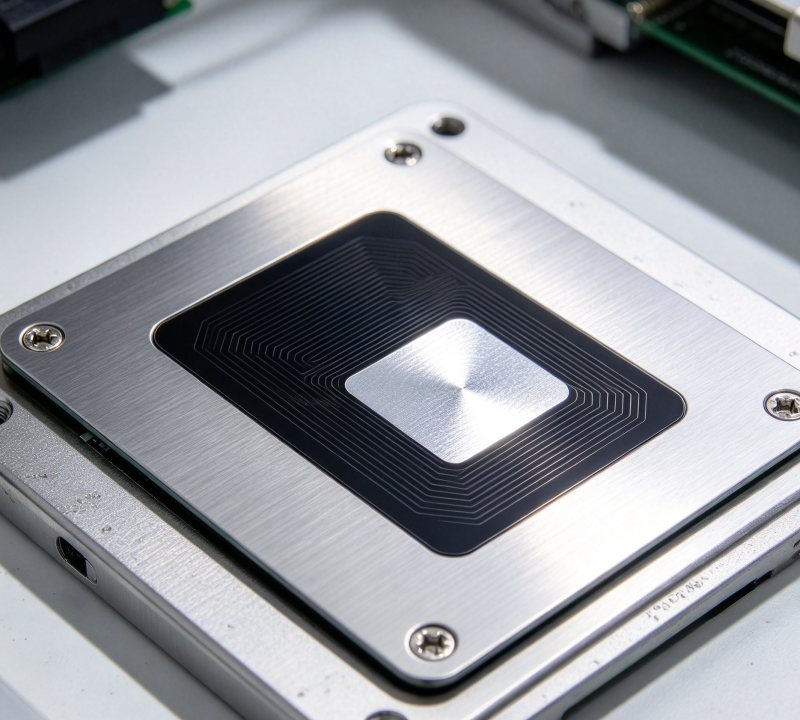
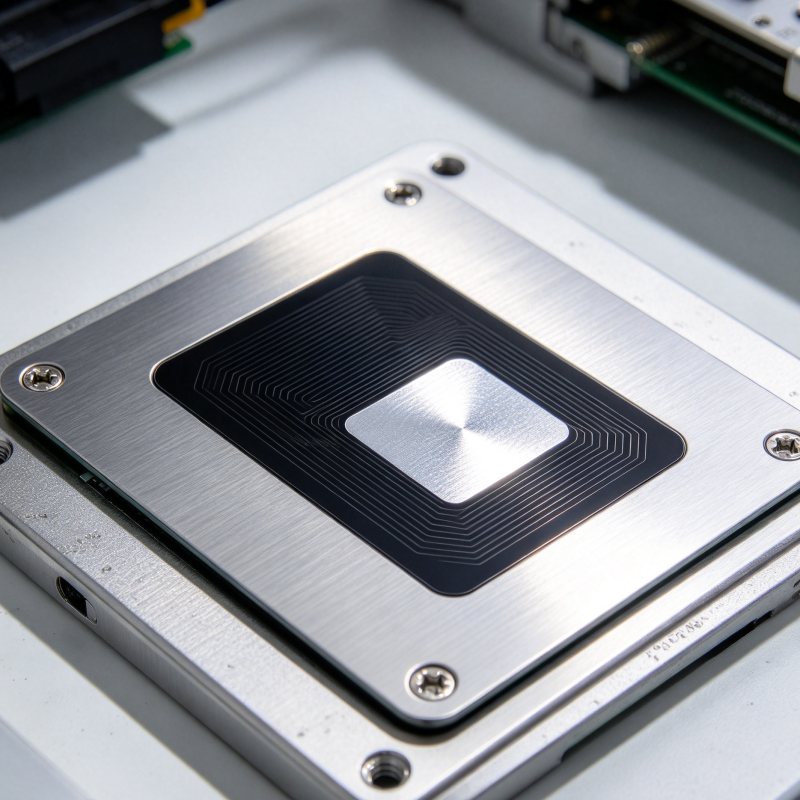
Blank RFID sticker on metal NFC coin Tag
NFC anti-metal tags are referred to as On Metal NFC tags, are designed for on the metal application. As we all know, NFC chips and antenna are sensitive, susceptible to interference from nearby metals, which break the signal, making your tag unreliable or even unusable. By incorporating a shielding layer, it can protect the chip’s contactless signal on metal NFC chips. Thus, On Metal NFC Tags are necessary for some special applications.
Features:
1) .Durable and can work in harsh environment.
2).Waterproof.
3).Moisture proof.
4).Anti shock.
5).High temperature resistance.
6).Anti metal optional.
Product Details
| Product name | Blank RFID sticker on metal NFC coin Tag |
| Product Description | Standard ABS waterproof tags Can customize with pptional features: *complete water/ oil proof *anti-metal layer * 3 m back adhesive |
| Material | ABS |
| Installation | Adhesive paste with strong 3 M glue, or screw Can be used on warehouse managerment, property tracking, can be installed on pallet, the cartons, machine etc. |
| Size | Round shape, normal diameter in 25/30/34/40/52mm Customize size available |
| Chip | LF: TK4100, EM4100, EM4200, EM4305, T5577 HF: FM11RF08, 1K S50, S70, Ult, sli, N213/215/216, etc UHF: UC G2XL , H3, M4 ,M5, etc |
| Reading distance | 0-6m, according to reader and chip |
| Operating temperature | -25℃~60℃ |
| Customize | Size and logo |
| Application | Warehouse managerment, property tracking, can be installed on pallet, the cartons, machine etc. |


How Does an RFID Sticker Work on Metal?
A standard RFID or NFC sticker relies on electromagnetic communication between the reader and the tag. When attached directly to metal, the metal surface absorbs and reflects electromagnetic energy, reducing the tag’s performance.
An anti-metal RFID sticker uses a special structure to prevent this issue.
The basic working process:
- The RFID/NFC reader generates an electromagnetic field.
- The tag antenna receives energy from the reader.
- The RFID chip processes stored information.
- The tag sends data back to the reader.
For metal applications, an additional shielding layer is added:
| Standard RFID Tag | Anti-Metal RFID Tag |
|---|---|
| Designed for plastic, paper, wood, and non-metal surfaces | Designed for steel, aluminum, and other metal surfaces |
| Performance decreases on metal | Maintains stable communication on metal |
| Low-cost general labeling solution | Industrial-grade tracking solution |
| Limited installation environments | Suitable for harsh environments |
This makes anti-metal RFID tags ideal for factories, warehouses, machinery, and industrial equipment.
Key Features of Blank RFID Sticker on Metal NFC Coin Tag
1. Reliable Performance on Metal Surfaces
The biggest advantage of an anti-metal NFC tag is its ability to work directly on metal. It can be attached to:
- Metal tools
- Machines
- Storage racks
- Vehicles
- Industrial containers
- Electronic equipment
The built-in isolation layer minimizes signal loss and improves reading reliability.
2. Customizable RFID and NFC Data
Because the tags are blank, companies can customize the stored information according to their applications.
For example:
Manufacturing equipment tracking
Machine ID: CNC-00125
Installation Date: 2026-01-15
Maintenance Status: Active
Product authentication
Product Serial Number
Manufacturer Information
Verification Website
This flexibility makes the tags suitable for different industries and management systems.
3. Compact Coin Shape Design
The round coin format provides several advantages:
| Feature | Benefit |
|---|---|
| Small size | Easy installation on limited spaces |
| Solid structure | Better protection than paper labels |
| Circular design | Suitable for embedded applications |
| Lightweight | Convenient for equipment identification |
Coin tags are especially useful where traditional labels cannot withstand mechanical impact or environmental conditions.
4. Long-Term Durability
Industrial environments often expose RFID tags to:
- Dust
- Vibration
- Temperature changes
- Moisture
- Mechanical impact
Anti-metal NFC coin tags are designed to provide longer operational life compared with ordinary RFID stickers.
Depending on the material and protection level, they can be used for long-term asset identification and tracking.
RFID Sticker on Metal vs Standard RFID Label
Choosing the correct RFID label depends mainly on the installation environment. A standard RFID sticker may work well on non-metal surfaces, but metal applications require a specialized solution.
| Comparison | Standard RFID Label | Anti-Metal RFID/NFC Tag |
|---|---|---|
| Plastic surface | Excellent | Excellent |
| Paper surface | Excellent | Suitable |
| Glass surface | Excellent | Suitable |
| Metal surface | Poor performance | Excellent |
| Industrial equipment | Limited | Recommended |
| Outdoor applications | Depends on material | Better durability |
| Asset tracking | Basic | Professional solution |
For companies managing valuable equipment or industrial assets, anti-metal RFID tags provide better reliability and lower replacement costs.
NFC Coin Tag Applications
Industrial Asset Management
Industrial companies use anti-metal RFID tags to identify and manage valuable assets.
Examples include:
- Production machines
- Factory equipment
- Testing instruments
- Electrical cabinets
- Manufacturing tools
By attaching an RFID tag to each asset, companies can create a digital record containing:
- Equipment information
- Maintenance schedules
- Inspection results
- Usage history
Employees can quickly access information by scanning the tag.
Tool Tracking and Management
Tools are often made from metal, making traditional RFID labels unsuitable.
Anti-metal coin tags allow companies to track:
- Hand tools
- Measuring equipment
- Repair tools
- Manufacturing fixtures
A digital tool management system can help reduce:
- Lost equipment
- Manual recording errors
- Unnecessary replacement costs
Warehouse and Inventory Management
Modern warehouses use RFID technology to improve inventory accuracy.
Anti-metal RFID tags can be attached to:
- Metal containers
- Storage racks
- Machinery parts
- Industrial packaging
Compared with manual barcode scanning, RFID systems can provide faster identification and easier inventory management.
Automotive and Manufacturing Applications
Automotive components often contain metal materials, requiring specialized RFID solutions.
Anti-metal NFC tags can be used for:
- Vehicle parts tracking
- Production line management
- Quality inspection
- Supply chain monitoring
Manufacturers can connect physical products with digital information throughout the entire production process.
Product Authentication and Smart Identification
NFC coin tags can also support smart product identification.
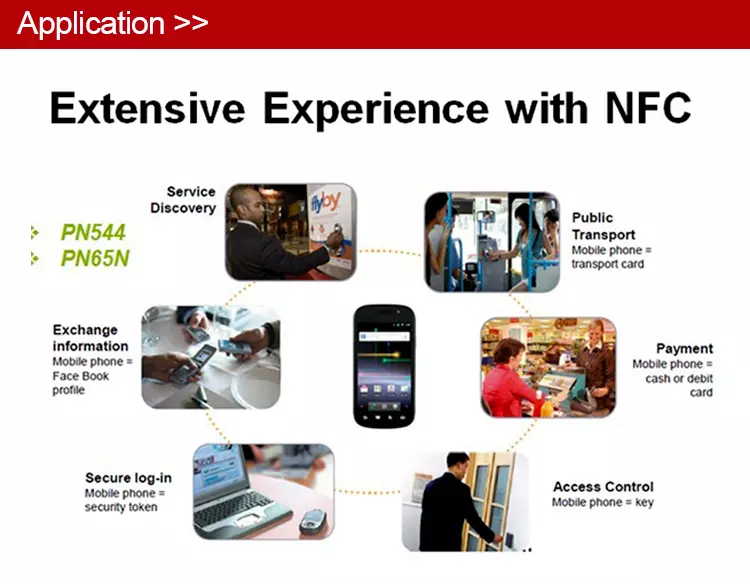
Customers or technicians can use NFC-enabled smartphones to access:
- Product information
- User manuals
- Warranty details
- Authentication pages
This creates a direct connection between physical products and digital services.
Technical Specifications and Custom Options
Available RFID and NFC Chip Options
Blank RFID sticker on metal NFC coin tags can be customized with different chip options depending on the application requirements. Choosing the correct chip determines memory capacity, reading distance, security level, and compatibility with existing systems.
Common chip options include:
| Chip Type | Frequency | Typical Application | Reading Method |
|---|---|---|---|
| NTAG213 | 13.56 MHz NFC | Basic information sharing, product identification | Smartphone NFC reader |
| NTAG215 | 13.56 MHz NFC | Larger data storage applications | Smartphone NFC reader |
| NTAG216 | 13.56 MHz NFC | Advanced NFC applications | Smartphone NFC reader |
| MIFARE Series | 13.56 MHz NFC | Access control and secure identification | NFC reader systems |
| ISO15693 RFID | 13.56 MHz HF RFID | Industrial tracking applications | RFID reader |
| EPC Gen2 UHF RFID | 860-960 MHz | Warehouse and logistics management | UHF RFID reader |
For smartphone-based applications, NFC chips such as NTAG series are usually preferred. For large-scale inventory management, UHF RFID technology may provide better performance due to its longer reading range.
NFC vs UHF RFID: Which One Should You Choose?
Many customers are unsure whether they need NFC or UHF RFID technology. The right choice depends on how the tag will be used.
| Feature | NFC Anti-Metal Tag | UHF Anti-Metal RFID Tag |
|---|---|---|
| Frequency | 13.56 MHz | 860-960 MHz |
| Reading distance | Several centimeters | Several meters |
| Reader device | Smartphone or NFC reader | Professional RFID reader |
| Best for | Individual identification | Bulk inventory tracking |
| Data interaction | Direct user access | Automated scanning |
| Typical users | Technicians, customers, operators | Warehouses, factories |
Choose NFC when you need people to scan individual items using a smartphone.
Choose UHF RFID when you need to scan hundreds of items quickly from a distance.
Product Customization Options
A major advantage of blank RFID sticker on metal NFC coin tags is customization flexibility.
Manufacturers can customize different aspects of the tag according to project requirements.
Chip Programming
Tags can be supplied:
- Completely blank
- Pre-encoded with customer information
- Programmed with unique serial numbers
- Locked after programming for security
Businesses can choose the best programming method according to their production workflow.
Size and Shape Customization
Although coin-shaped RFID tags are popular, different sizes and shapes can be produced.
Common options include:
| Shape | Application |
|---|---|
| Round coin tag | Industrial equipment identification |
| Square tag | Machine labeling |
| Rectangular tag | Asset management |
| Custom shape | Special product requirements |
Larger tags generally provide better reading performance because they allow a larger antenna design.
Surface Printing and Branding
For professional asset management, RFID coin tags can include customized printing.
Options may include:
- Company logo
- Serial number
- Barcode
- QR code
- Product information
- Warning labels
Combining RFID technology with visual identification improves management efficiency.
Installation Guide for Anti-Metal NFC Tags
Proper installation is important to achieve reliable RFID performance.
Step 1: Select a Suitable Installation Surface
Before installation, ensure the metal surface is:
- Clean
- Dry
- Free from oil or dust
- Flat enough for secure attachment
Dirty surfaces may reduce adhesive performance.
Step 2: Choose the Correct Attachment Method
Different environments require different fixing methods.
| Environment | Recommended Installation |
|---|---|
| Indoor equipment | Strong adhesive backing |
| Factory machinery | Industrial adhesive or screw mounting |
| Outdoor equipment | Waterproof housing |
| High vibration areas | Mechanical fixing |
For permanent industrial applications, additional mechanical protection may be recommended.
Step 3: Test Reading Performance
After installation:
- Scan the tag with the intended reader.
- Confirm the reading distance.
- Verify stored information.
- Record the installation location.
Testing before mass deployment helps avoid unexpected performance issues.
Advantages of Using Anti-Metal RFID Tags for Industrial Tracking
Improved Asset Visibility
Traditional manual tracking methods often rely on paperwork or spreadsheets. RFID technology provides a faster and more accurate way to manage assets.
Companies can quickly identify:
- Equipment location
- Ownership information
- Maintenance status
- Usage records
Reduced Operational Costs
An effective RFID tracking system can help reduce:
- Lost equipment
- Manual inspection time
- Inventory errors
- Administrative workload
Although RFID tags require an initial investment, they often provide long-term cost savings.
Better Maintenance Management
Maintenance teams can connect RFID tags with digital maintenance systems.
A technician can scan a machine tag and immediately view:
- Previous repair history
- Required maintenance schedule
- Technical documents
- Inspection records
This improves maintenance efficiency and reduces unexpected downtime.
How to Select the Right RFID Metal Tag
Before purchasing, consider the following factors:
1. Application Environment
Ask:
- Will the tag be installed indoors or outdoors?
- Is the surface metal?
- Is there exposure to chemicals, water, or heat?
- Will the tag experience impact or vibration?
Different environments require different tag materials and protection levels.
2. Reading Distance Requirements
Reading distance is one of the most important selection factors.
| Requirement | Recommended Solution |
|---|---|
| Smartphone scanning | NFC anti-metal tag |
| Close-range identification | HF RFID tag |
| Warehouse automation | UHF RFID tag |
| Large equipment tracking | Larger industrial RFID tag |
3. Data Requirements
Consider how much information needs to be stored.
Simple applications:
- Asset number
- Product ID
- Website link
Advanced applications:
- Maintenance records
- Authentication data
- Secure access information
The required memory capacity determines the appropriate RFID chip.
Frequently Asked Questions About Blank RFID Sticker on Metal NFC Coin Tag
Can NFC tags work on metal surfaces?
Yes. Standard NFC tags usually perform poorly on metal because metal interferes with the electromagnetic field. Anti-metal NFC tags include a special isolation layer that allows stable operation on metal surfaces.
Can I write my own information to a blank NFC coin tag?
Yes. Blank NFC tags can be programmed using compatible NFC writing devices or smartphone applications.
Users can store:
- URLs
- Text information
- Product details
- Identification numbers
- Digital records
Can smartphones read anti-metal NFC tags?
Yes, if the tag uses an NFC-compatible chip. Most modern Android smartphones and iPhones with NFC functionality can read NFC tags.
What materials can these tags be attached to?
Anti-metal RFID and NFC tags are designed for conductive materials such as:
- Stainless steel
- Aluminum
- Iron
- Metal machinery
- Industrial equipment
They can also work on non-metal surfaces, although standard RFID labels may be sufficient for those applications.
What is the difference between an RFID sticker and an NFC coin tag?
An RFID sticker is usually a thin flexible label designed for general identification. An NFC coin tag is typically a stronger, more durable tag with a rigid structure.
| Feature | RFID Sticker | NFC Coin Tag |
|---|---|---|
| Structure | Flexible | Rigid |
| Durability | Medium | High |
| Industrial use | Limited | Excellent |
| Metal compatibility | Requires anti-metal design | Commonly available |
| Installation life | Short to medium | Long-term |
Why Choose a Blank Anti-Metal NFC Coin Tag Solution?
A blank RFID sticker on metal NFC coin tag provides a reliable connection between physical assets and digital information. It combines RFID technology, durable construction, and flexible programming options to support modern identification systems.
From industrial equipment management to smart product identification, these tags help businesses improve efficiency, accuracy, and traceability.
When selecting an RFID solution, consider the application environment, reading distance, chip type, and durability requirements. The right anti-metal RFID tag can provide years of reliable performance and become an essential part of an intelligent asset management system.
For companies looking to improve tracking efficiency, reduce manual processes, and build smarter identification workflows, anti-metal NFC coin tags offer a practical and scalable solution.
Ready to upgrade your asset tracking system? Contact us today for customized anti-metal RFID and NFC tag solutions tailored to your application needs.