
Alien Higgs 3 Chip | EPC Class 1 Gen 2 | ISO 18000-6C | Long-Range Smart Identification
In the modern world, identification no longer waits politely for contact. It works at a distance. Vehicles pass gates without stopping. Containers are tracked across continents. Warehouses count inventory without opening boxes. This is the quiet power of UHF RFID technology.
The UHF 860–960MHz RFID Card is designed for high-efficiency identification, long-range reading, and global compatibility. Built with an Alien Higgs 3 chip featuring a pre-encoded 64-bit unique identity, and compliant with EPC Global Class 1 Gen 2 and ISO/IEC 18000-6C, this card delivers reliable performance across worldwide UHF frequency bands.
Let’s explore the structure, standards, applications, and real-world advantages of this powerful RFID solution.
What Is a UHF 860–960MHz RFID Card?
A UHF RFID card operates within the Ultra High Frequency spectrum, specifically between 860 MHz and 960 MHz. Unlike LF (125 kHz) or HF (13.56 MHz) cards, UHF cards provide:
- Longer reading distance
- Faster data transmission
- Multi-tag reading capability
- Efficient inventory scanning
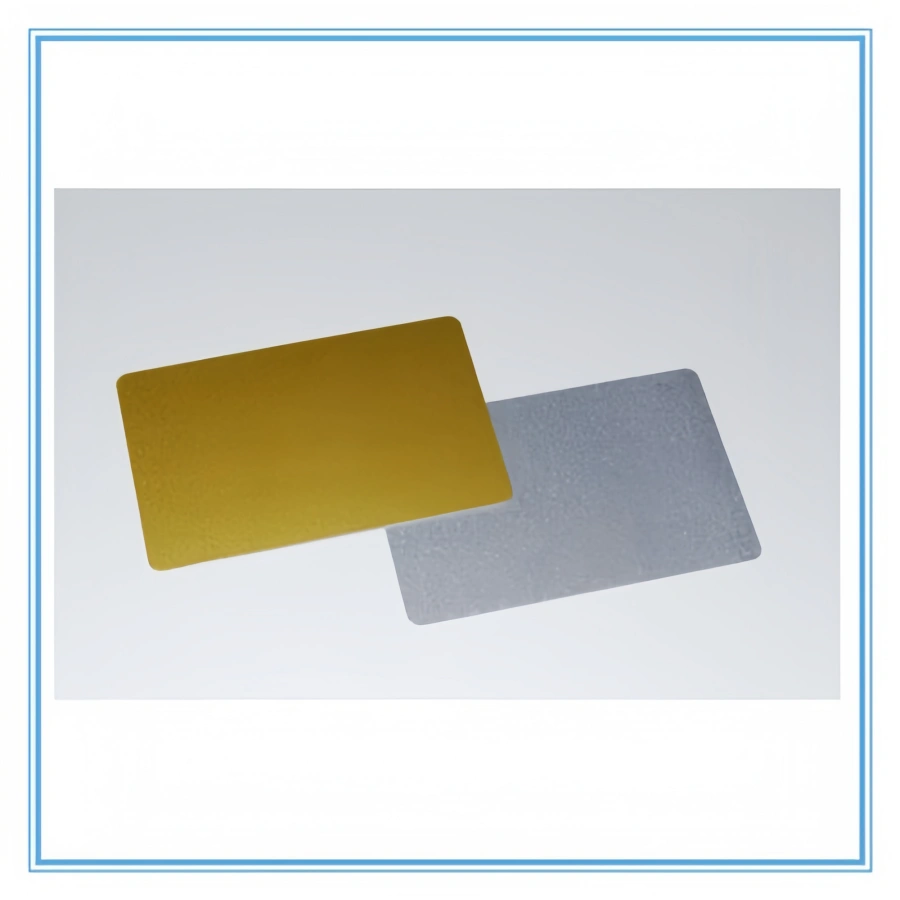
This particular ISO-sized UHF card integrates advanced chip technology with durable materials to support high-volume, real-time identification systems.
Core Technology: Alien Higgs 3 Chip
At the heart of the card is the Alien Higgs 3 (H3) chip, one of the most widely adopted UHF RFID ICs in global supply chains.
Key Features of Alien Higgs 3:
- 64-bit unique identity (factory pre-encoded)
- Up to 512-bit memory capacity
- EPC Global Gen2 compliance
- High sensitivity for improved read range
- Fast encoding capability
The 64-bit unique ID ensures that each card is globally distinct. In large-scale systems, uniqueness is not optional—it is fundamental.
Alternate chip options such as Impinj M5 or Alien H4 are also available depending on project requirements.
Global Standards Compliance
The card conforms to:
- EPC Global Class 1 Gen 2
- ISO/IEC 18000-6C
These standards ensure:
- Interoperability across global RFID systems
- Compatibility with major UHF readers
- Secure and reliable data exchange
- Worldwide regulatory alignment
Operating across 860–960MHz, the card supports frequency bands used in:
- Europe (865–868 MHz)
- North America (902–928 MHz)
- Asia Pacific regions
Global compatibility reduces deployment restrictions and supports international logistics operations.
Technical Specifications
Frequency
860–960 MHz
Standards / Protocols
EPC Class 1 Gen 2
ISO/IEC 18000-6C
Memory
Up to 512 bits
Chip Options
Alien Higgs 3 (standard)
Impinj M5
Alien H4
Operating Mode
Read/Write (R/W)
Reading Distance
Up to 1 meter
(Dependent on reader power and environment)
Physical Parameters
- Size: 85 × 54 mm (ISO standard card size)
- Antenna Material: PET + Aluminum (AL)
- Outer Material: PVC
Environmental Performance
- Operating Temperature: -30°C to +50°C
- Storage Temperature: -40°C to +100°C
- Working Humidity: Stable under industrial conditions
Packaging
200 cards per pack (customized packaging available)
Physical Design and Durability
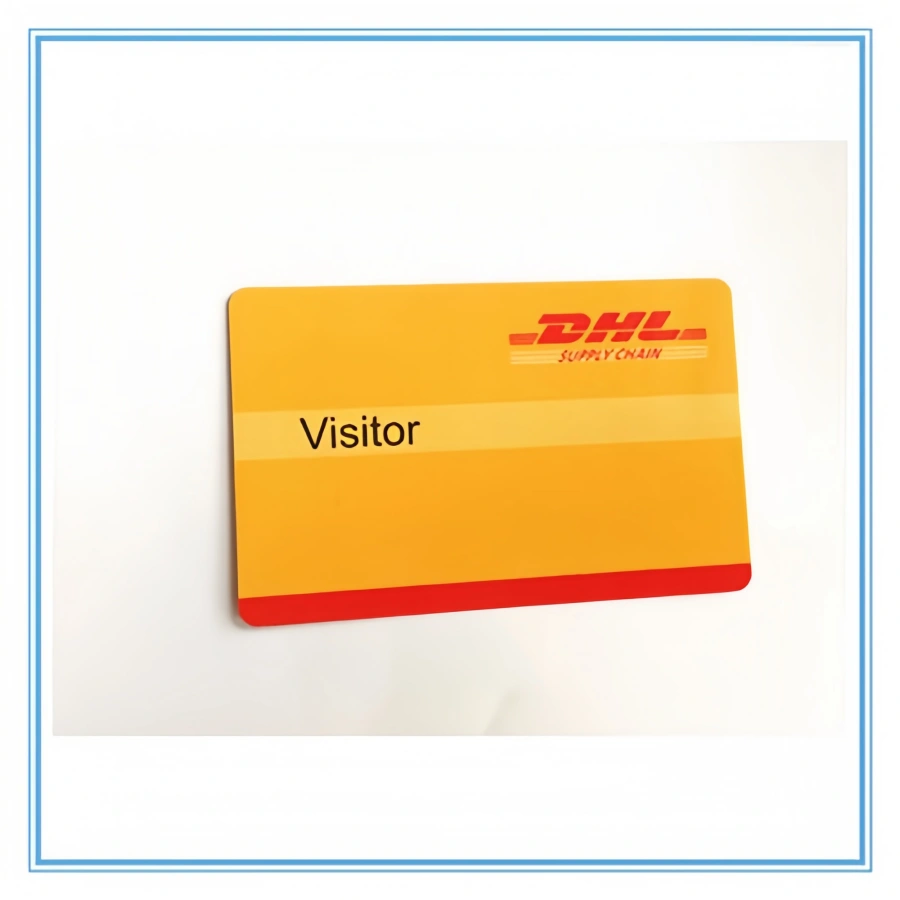
ISO Standard Size
At 85 × 54 mm, the card matches standard credit card dimensions, allowing compatibility with:
- Card holders
- Badge reels
- Lanyards
- ID printing systems
Antenna Structure: PET + Aluminum
The internal antenna is constructed using:
- PET substrate for flexibility and insulation
- Aluminum for signal conductivity and stability
This design optimizes RF signal transmission while maintaining structural durability.
Outer PVC Layer
PVC casing provides:
- Mechanical protection
- Printability for branding
- Resistance to bending
- Surface durability
Custom printing and branding options are available for corporate or institutional applications.
Reading Performance and Distance
UHF technology allows reading distance up to 1 meter under optimal conditions.
Actual reading range depends on:
- Reader output power
- Antenna design
- Environmental interference
- Card orientation
In controlled environments, consistent performance ensures efficient identification without physical contact.
Compared to HF cards (typically 5–10 cm range), UHF significantly improves operational speed in access and logistics systems.
Primary Applications
Access Control
UHF cards are ideal for:
- Parking access
- Vehicle gates
- Campus entry systems
- Corporate facilities
Longer read distance allows hands-free operation.
Attendance Control
High-speed identification ensures:
- Reduced waiting time
- Efficient employee flow
- Automatic logging
Large organizations benefit from non-contact check-in systems.
Identification Systems
Suitable for:
- Corporate ID cards
- Student ID systems
- Industrial workforce tracking
Unique 64-bit identity ensures data integrity.
Ticketing Systems
UHF RFID cards support:
- Event access
- Exhibition entry
- Stadium ticketing
- Transportation passes
Rapid validation reduces congestion.
Container Identification
Logistics operations rely on accurate container tracking.
UHF enables:
- Fast scanning
- Bulk identification
- Long-distance reading
This is critical in:
- Ports
- Warehouses
- Shipping yards
Specific Industry Applications
Vehicle Access Control
Used in:
- Residential communities
- Office buildings
- Parking garages
- Toll systems
Drivers pass without stopping. Efficiency improves traffic flow.
Residential Management
Community access systems benefit from:
- Contactless entry
- Secure identification
- Centralized management
Asset Management
UHF supports:
- Fixed asset tracking
- Equipment monitoring
- High-value inventory control
Fast reading reduces manual counting.
Warehousing & Logistics
In logistics, speed equals productivity.
UHF RFID enables:
- Bulk inventory scanning
- Automated shipment verification
- Real-time stock updates
Warehouse operators reduce labor costs and errors.
Aviation
Airports use RFID for:
- Ground access control
- Equipment tracking
- Baggage management
Durability under temperature variation supports aviation environments.
Retail
Retailers benefit from:
- Stock management
- Anti-theft systems
- Supply chain visibility
UHF improves inventory accuracy significantly compared to manual methods.
Environmental Reliability
The card operates from -30°C to +50°C, making it suitable for:
- Outdoor environments
- Industrial facilities
- Cold storage warehouses
Storage temperature tolerance up to +100°C ensures durability during transport and high-temperature conditions.
RFID technology must function reliably in real-world conditions—not just laboratory environments.
Why Choose This UHF 860–960MHz RFID Card?
Global Compatibility
Works across international UHF bands.
Industry-Standard Compliance
EPC Gen2 and ISO 18000-6C certified.
High-Quality Chip Options
Alien Higgs 3 ensures stable performance and wide reader compatibility.
Strong Material Construction
PET + AL antenna structure with durable PVC exterior.
Read/Write Capability
Supports data encoding and memory customization.
Custom Design Available
Size, printing, encoding, and packaging options available upon request.
Economic Efficiency
Compared to barcode systems, UHF RFID provides:
- Faster scanning
- Reduced manual labor
- Real-time tracking
- Lower long-term operational costs
Initial hardware investment leads to long-term savings in:
- Labor
- Error correction
- Inventory shrinkage
Automation improves margins.
Packaging and Delivery
Standard packaging:
- 200 cards per pack
Custom packaging options available based on project requirements.
Bulk supply ensures stable delivery for large deployments.
Integration with RFID Systems
Compatible with major UHF RFID readers and fixed or handheld terminals.
Integration supported for:
- ERP systems
- WMS platforms
- Access control software
- Asset management systems
Flexible deployment ensures seamless integration into existing infrastructure.
Future-Ready Technology
UHF RFID continues to expand in:
- Smart cities
- Automated logistics
- Digital identity management
- IoT-based tracking systems
The 860–960MHz frequency band is central to global RFID growth.
Deploying standardized UHF solutions ensures long-term compatibility.
Conclusion
The UHF 860–960MHz RFID Card with Alien Higgs 3 chip provides:
- Long-range identification
- Global frequency compatibility
- Industry-standard compliance
- Durable construction
- Versatile applications across multiple industries
From vehicle access control to warehousing, aviation, and retail, this UHF ISO card delivers reliable performance and operational efficiency.
In a world that values speed, automation, and accuracy, UHF RFID is not just a convenience—it is infrastructure.
Reliable identification begins with the right card.
The 860–960MHz UHF RFID card is ready for integration into your next project.