
What Is an RFID Clothing Tag?
An RFID clothing tag is a small electronic tag attached to or embedded within garments. It contains a microchip and antenna capable of storing product information and communicating with RFID readers. These tags typically operate in UHF (860–960 MHz) for long-range reading or HF/NFC (13.56 MHz) for short-range applications. Each tag is uniquely coded, allowing retailers to monitor individual garments throughout the supply chain and in-store environment.
RFID clothing tags are designed to be lightweight, durable, and discreet, ensuring they do not affect the garment’s appearance, comfort, or quality. They can be sewn into clothing labels, attached as hangtags, or integrated during manufacturing.
- Date
- February 3, 2026
In the fashion industry, speed and accuracy decide who wins and who ends up drowning in unsold inventory. Traditional barcode labels helped for decades, but today’s […]
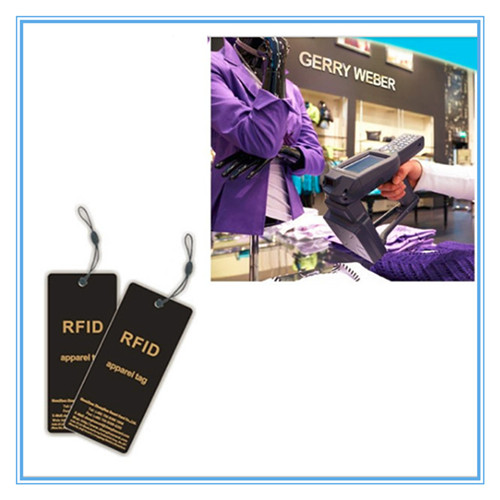
RFID Clothing tag
D.O RFID TAG Manufacturer 's cloth and apparel tags are an effective way to elevate your brand and draw attention to your products. The design and printing of these tags requires special consideration.Features
- It can be instead of price tag
- Easy for checking out
- Various types
- Anti theft
Description
Clothing and apparel are handled and moved often. You’ll need a durable and well designed tag that can withstand application, handling, shipping, consumers and more. And it also needs to work with the overall brand standards of all your other apparel tags.
Primary Applications:
- Retailer
- Cloth manufacturer
- Supper market
- Logistic
- E-payment
| roduct type | Woven clothing label passive RFID Apparel Tags for clothes / garment inventory |
|---|---|
| Material | woven, custom printed |
| Protocol | ISO18000-6C |
| Operation Frequency | 860-960Mhz |
| Chip Type | Alien H3,Impinj Monza 4/5/6 |
| Memory | EPC 96-480 bit, User 512 bit, TID 32 bit |
| EPC Memory Content | Unique, randomized number |
| Read Distance | 1M - 10M |
| Application | for clothes / garment tracking management in retail store, warehouse, logistics, etc |
| Tag Form Factor | label |
| Attachment Method | General Purpose Adhesive or by sewing |
| label Size | 87x53mm ,73x23mm , custom |
| Weight | 4 gram |
| Operating Temp | -35C to +60 C |
| Storage condition | 20% to 90% RH |
UHF Apparel RFID tags are suitable for logistics management,apparel management and retail management,etc.
Apparel RFID tags are most cost-efficient RFID products in the world. With various design for applications, we can offer you the right UHF label based on your requirements. we have rich experience and alternate samples for your reference.
This tag complies with the EPC C1G2 (ISO18000-6C) standard. The operating frequency is 860~960MHz. It can immediately be used worldwide. Besides paper material, ABS, PE, PVC and other materials are available. Each tag has a unique ID and can store user data for more efficient management.
Applications of RFID Clothing Tags
1. Inventory Management
RFID clothing tags allow retailers to track every garment in real-time. Employees can perform stock counts quickly using handheld or fixed RFID readers, reducing manual errors and labor costs. Automatic inventory updates also prevent overstocking or stockouts.
2. Anti-Theft and Security
RFID tags double as electronic article surveillance (EAS) devices. When linked to store exits, they help prevent theft without intrusive security gates or staff monitoring, ensuring a safer shopping environment.
3. Supply Chain Visibility
From production to shipping to retail shelves, RFID clothing tags provide end-to-end visibility. Brands can trace garments through factories, warehouses, and logistics networks, ensuring accuracy, transparency, and timely delivery.
4. Smart Retail Experience
Some stores integrate RFID tags with interactive mirrors, self-checkout systems, or mobile apps. Shoppers can tap or scan garments to access product information, check availability in different sizes, or receive styling suggestions, enhancing engagement and customer satisfaction.
How to Use RFID Clothing Tags
- Integration: Sew or attach the tag during garment production, or add it as a hangtag before distribution.
- Encoding: Program the tag with garment information, including SKU, size, color, and batch number.
- Deployment: Use handheld or fixed RFID readers to track garments in warehouses and stores.
- Data Analytics: Monitor sales, stock levels, and customer interactions to optimize operations.
Customization for Clothing
RFID clothing tags can be customized based on brand requirements:
- Shape and size: Round, square, or label-integrated designs to match garment type.
- Frequency type: UHF for long-range warehouse scanning or HF/NFC for in-store interactivity.
- Data encoding: Store unique IDs, product information, or even loyalty program data.
- Material selection: Tags can be embedded in labels, woven, or adhesive-backed, ensuring durability and comfort.
Custom RFID tags allow seamless branding while maintaining functionality and garment integrity.
In conclusion, RFID clothing tags combine durability, discretion, and intelligence to modernize the fashion retail industry. From inventory management and theft prevention to customer engagement and supply chain transparency, these tags deliver measurable benefits. For apparel brands looking to streamline operations, protect assets, and provide a smarter shopping experience, RFID clothing tags are an indispensable investment.