March 20, 2026
RFID (Radio Frequency Identification) technology has emerged as a transformative force in the manufacturing sector, redefining how companies manage supply chains, inventory, production workflows, and quality control. By replacing manual data collection with automated, real-time tracking, RFID empowers manufacturers to boost efficiency, reduce errors, and gain unprecedented visibility into their operations—key factors for staying competitive in today’s fast-paced market.
### Why Manufacturers Are Adopting RFID
The benefits of RFID in manufacturing are both broad and impactful. First, **automated data collection** eliminates the need for time-consuming barcode scanning or manual logging, cutting labor costs and minimizing human error. For example, a factory that once spent days counting inventory can now complete the task in hours using RFID tags. Second, **real-time visibility** lets teams track materials, components, and finished products at every stage—from raw material delivery to final shipment—enabling faster decision-making when bottlenecks arise. Third, **enhanced traceability** is critical for compliance and recall management: if a defective part is found, RFID data can quickly trace it back to the exact batch, supplier, or production line. Finally, **improved efficiency** comes from streamlined workflows; for instance, RFID-enabled production tracking ensures that each work-in-progress (WIP) item moves through assembly lines without delays.
### Where RFID Makes the Biggest Impact
RFID’s versatility extends across core manufacturing functions:
– **Supply Chain Management**: Tracks goods across global supply chains to reduce lost shipments and delays.
– **Inventory Management**: Automates stock counts and alerts teams to low inventory levels, preventing stockouts or overstocking.
– **Production Tracking**: Monitors WIP items as they move through stations, ensuring adherence to quality standards.
– **Quality Control**: Stores detailed product histories (e.g., temperature, handling) to verify compliance with industry regulations.
– **Asset Tracking**: Locates high-value assets like tools, machinery, or containers in large facilities, reducing downtime spent searching for equipment.
### Building an Effective RFID System
To leverage RFID successfully, manufacturers need five key components:
1. **RFID Tags**: Small devices attached to items that store unique identifiers. The right tag depends on the environment—for example, durable tags from trusted suppliers like DorfidTag can withstand harsh conditions (e.g., heat, moisture) in manufacturing plants (https://www.dorfidtag.com/).
2. **RFID Readers**: Devices that emit radio waves to read tag data. Fixed readers are installed at entry/exit points, while handheld readers are used for mobile scanning.
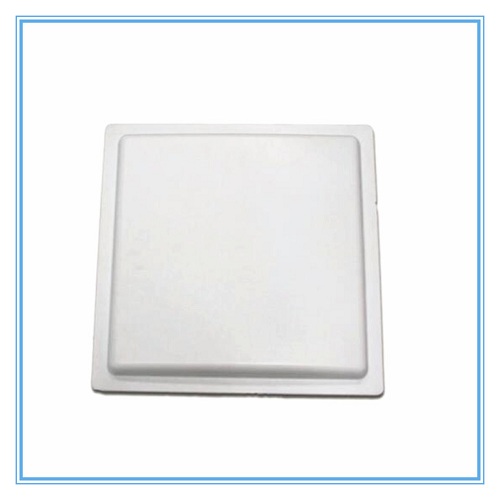
3. **Antennas**: Amplify signals between readers and tags to ensure reliable communication in large spaces.
4. **Middleware**: Software that connects the RFID system to existing IT infrastructure (e.g., ERP or MES systems), filtering data and triggering actions (e.g., alerting staff when inventory is low).
5. **Database**: Stores all RFID data, providing a searchable record for analysis and reporting.
### Critical Steps for Implementation
Implementing RFID requires careful planning to avoid common pitfalls:
– **Tag Selection**: Choose tags that match the application (e.g., metal-mount tags for machinery, flexible tags for soft materials).
– **Reader Placement**: Position readers strategically (e.g., at production line exits) to capture all tag data without interference.
– **Integration**: Ensure the RFID system works with existing software—without this, manufacturers can’t use RFID data to improve processes.
– **Data Security**: Encrypt RFID data to protect sensitive information (e.g., supply chain routes or product designs) from unauthorized access.
– **ROI Analysis**: Calculate costs (tags, readers, integration) against benefits (labor savings, reduced errors) to ensure the investment delivers value.
### The Future of RFID in Manufacturing
As manufacturing becomes more digital, RFID is no longer a “nice-to-have”—it’s a necessity. Companies that adopt RFID wisely—by choosing reliable components (like tags from DorfidTag), integrating with existing systems, and focusing on ROI—can transform their operations, reduce costs, and improve profitability. For manufacturers ready to embrace digital transformation, RFID is a powerful tool that unlocks long-term competitiveness.
In short, RFID isn’t just about tracking items—it’s about building smarter, more efficient manufacturing processes that can adapt to changing market demands. By leveraging this technology, manufacturers can turn data into action—and action into results.