March 20, 2026
Vehicle tracking technology has undergone remarkable evolution over the years, with RFID (Radio Frequency Identification) emerging as a game-changer in how businesses manage their fleets. Unlike traditional methods, RFID leverages electromagnetic fields to automatically identify and track vehicles, offering a level of efficiency and accuracy that manual or basic systems can’t match.
An RFID vehicle tracking system uses specialized tags attached to vehicles and strategically placed readers to monitor movement within a defined area—whether a warehouse, logistics hub, or entire supply chain. It’s now a staple in industries like logistics, transportation, and supply chain management, where optimizing fleet utilization and reducing operational costs are top priorities.
Key features of these systems make them indispensable for modern businesses. Real-time tracking provides instant visibility into a vehicle’s location, enabling proactive management. Automatic identification eliminates manual data entry, reducing errors and saving time. Enhanced security comes from RFID’s tamper-resistant tags, which protect against theft or unauthorized access. Cost-effectiveness is another major draw: by streamlining processes and optimizing usage, businesses cut down on operational waste. Scalability ensures the system grows with the business, while easy integration with tools like GPS creates a comprehensive fleet management solution. Customizable reports offer actionable insights into vehicle usage, helping businesses fine-tune operations for maximum efficiency. And durability? RFID tags are built to withstand harsh conditions—from extreme temperatures to moisture—ensuring reliable performance even in tough environments.
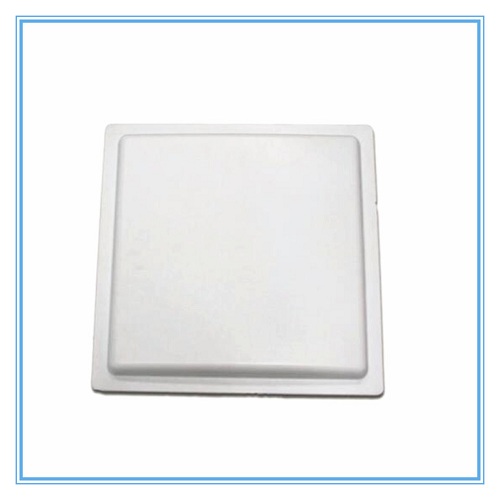
But how does it work? The process is straightforward: RFID tags (each with a unique identifier) are attached to vehicles. Readers installed at key points (like warehouse entrances or loading docks) pick up signals from passing tags, capturing data such as vehicle ID, location, and timestamp. This data is sent to a central database for analysis, allowing businesses to track everything from entry/exit times to maintenance schedules.
Why choose an RFID vehicle tracking system over other options? The answer lies in its ability to deliver enhanced visibility, efficiency, cost savings, security, scalability, and reliability. For example, real-time visibility means no more guessing where a vehicle is—businesses can monitor movements in real time and adjust plans as needed. Efficiency skyrockets because manual data entry is replaced by automatic capture, freeing up staff for more valuable tasks. Cost savings come from better fleet utilization (reducing idle time) and lower operational costs (fewer errors, less theft). Security is boosted by RFID’s unique identification, making it harder for unauthorized users to access vehicles. And scalability ensures the system can expand as the business grows—whether adding 10 vehicles or 100.
High-quality RFID tags are essential for consistent performance, and options like those from dorfidtag.com are designed to endure the rigors of industrial use, from extreme temperatures to physical wear and tear. This durability means businesses don’t have to worry about replacing tags frequently, adding to long-term cost savings.
Beyond these benefits, RFID systems integrate seamlessly with other technologies like GPS, creating an all-in-one solution for fleet management. Customizable reports further empower businesses to make data-driven decisions—whether it’s adjusting routes to save fuel, scheduling maintenance to prevent breakdowns, or identifying underused vehicles to reduce costs.
For businesses looking to stay competitive, an RFID vehicle tracking system isn’t just an upgrade—it’s a strategic investment. It transforms fleet management from a reactive task to a proactive process, driving efficiency, security, and savings across the board. Whether you’re managing a small fleet of delivery vans or a large logistics network, RFID technology has the power to take your operations to the next level.