March 20, 2026
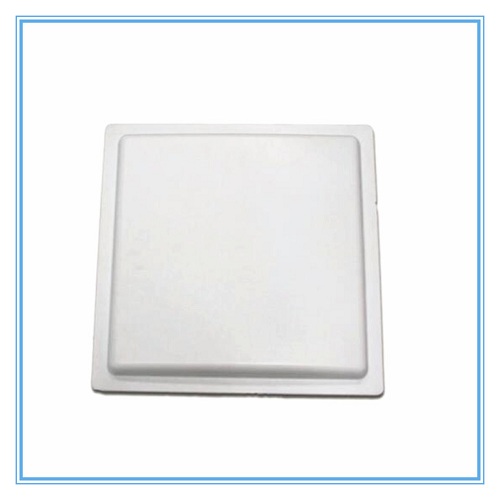
Radio Frequency Identification (RFID) is a technology that uses electromagnetic fields to automatically identify and track tags attached to objects. It has become a cornerstone of modern operations across industries like retail, healthcare, manufacturing, and logistics, helping businesses enhance efficiency, accuracy, and visibility in their processes. An RFID system relies on three core components: **tags** (small data-storing devices available in passive, active, or semi-passive forms), **readers** (devices that emit radio waves to activate tags and retrieve information), and **antennas** (which transmit and receive signals between readers and tags).
One of RFID’s most significant advantages over traditional barcoding is its **non-line-of-sight capability**—tags can be read even if hidden behind packaging or in a stack of items. It also allows simultaneous scanning of multiple tags, drastically reducing labor costs for tasks like inventory counts. RFID tags are more durable than barcodes (resistant to water, dirt, and physical wear), making them ideal for harsh environments such as warehouses or outdoor logistics. They also store more data—including product origin, expiration dates, or maintenance histories—and enable real-time tracking, which improves supply chain visibility and helps businesses manage inventory with precision.
RFID operates across three frequency bands, each tailored to specific use cases:
– **Low-frequency (LF)**: 30 kHz–300 kHz. Used for access control (e.g., office key fobs) and animal tracking (e.g., pet microchips).
– **High-frequency (HF)**: 3 MHz–30 MHz. Common in retail (e.g., contactless payments) and library management (e.g., book checkout systems).
– **Ultra-high frequency (UHF)**: 300 MHz–3 GHz. Perfect for long-range applications like logistics, where tags on pallets or shipments need to be read from a distance.
Beyond these standard uses, RFID has expanded into creative applications like event management. For example, **RFID silicone wristbands** are now ubiquitous at music festivals, concerts, and conferences. These wristbands replace paper tickets for seamless access control, enable cashless payments to cut wait times, and even enhance attendee engagement through personalized experiences. To explore high-quality RFID wristbands designed for such events, you can check out **RFID silicone wristbands** at https://www.dorfidtag.com/RFID-silicone-wristbands-RFID-wristbands-event-wristbands_2421.html.
While RFID has existed for decades, recent advancements—such as smaller tags, more powerful readers, and lower costs—have driven its widespread adoption. As businesses continue to prioritize efficiency and data accuracy, RFID will remain a key solution. From tracking a product’s journey across the globe to managing entry at a local festival, RFID’s versatility makes it an indispensable tool in the modern world.