April 28, 2026


A Complete Guide to High-Performance RFID Tracking on Metal Surfaces
In modern industrial environments, metal is everywhere—steel pallets, metal containers, racks, machinery, tools, and heavy equipment. Traditional RFID tags struggle in these conditions because metal interferes with radio frequency signals. This is where the on-metal UHF RFID anti-collision tag becomes essential.
Designed specifically to operate reliably on metal surfaces, this type of RFID tag delivers long read range, strong anti-interference capability, and exceptional durability. It is widely used in intelligent warehouse management, pallet tracking, and industrial manufacturing, where accuracy, speed, and robustness matter.
This article explains how on-metal UHF RFID anti-collision tags work, what makes them different, their technical specifications, key advantages, application scenarios, and how to choose and deploy them effectively.
What Is an On-Metal UHF RFID Anti-Collision Tag?
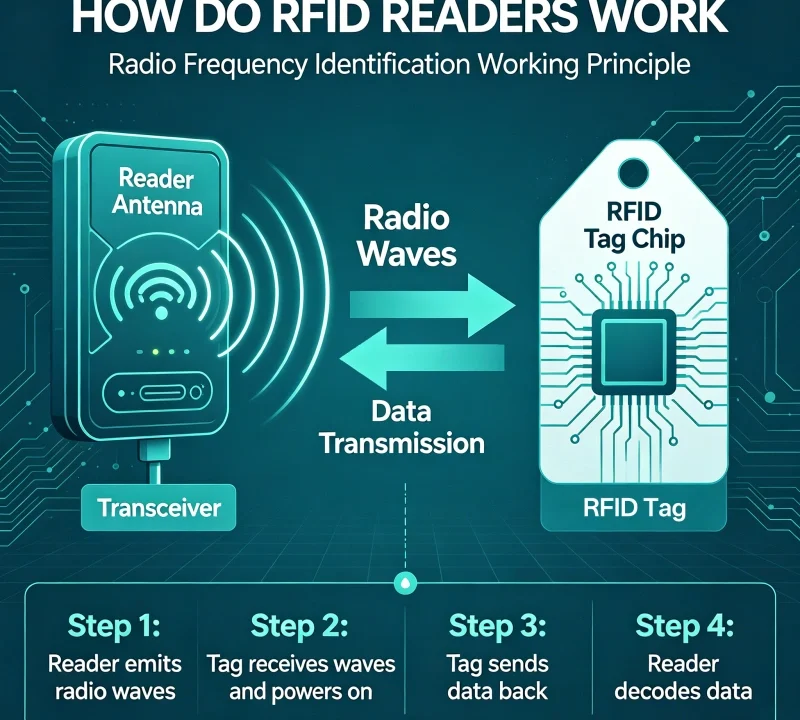
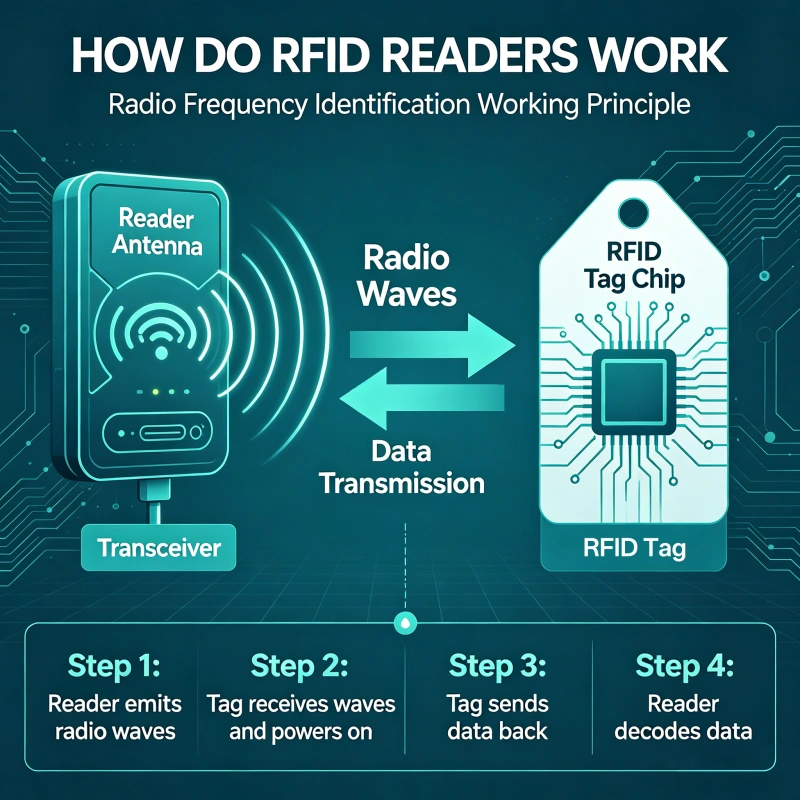
An on-metal UHF RFID anti-collision tag is a passive ultra-high frequency RFID tag engineered to be mounted directly on metal surfaces without signal loss. Unlike ordinary RFID tags, it includes special structural and material designs that isolate the antenna from metal interference.
The term anti-collision refers to the tag’s ability to be read accurately in bulk environments where many tags are present simultaneously. This is critical in warehouses, factories, and logistics hubs where hundreds or thousands of tagged items may pass through a reader’s field at once.
Why Standard RFID Tags Fail on Metal
Metal surfaces reflect and absorb radio waves. When a conventional RFID tag is placed on metal:
- The antenna detunes
- Read range drops dramatically
- Data transmission becomes unstable
- Tag detection becomes inconsistent or impossible
On-metal RFID tags solve this by using insulating layers, special antenna tuning, and protective housing, ensuring stable performance even when directly attached to steel or aluminum.
| Performance Parameters | |
| RFID Protocol: | EPC Class1 Gen2, ISO18000-6C |
| Frequency: | (US) 902-928MHz, (EU) 865-868MHz |
| Chip: | NXP UCODE 8 |
| Storage: | EPC 128bits , User 32bits, TID 96bits |
| Rewrite times: | 100000 |
| Func: | Read/Write |
| Data preservation: | 50 years |
| Reading distance(handheld reader): | 1-1.5M,mounted on metal surface(The reading distance varies according to different readers) |
| Application: | Intelligent warehouse management, pallet management, industrial manufacturing. |
| Physical Parameters | |
| Size: | L:40mm*W:25.9*T:6.5mm |
| Material: | Stainless steel,potting |
| Color: | Gold/Natural Color |
| Install method: | Locking screws, adhesive, riveting |
| Weight: | 14.2g |
| Environmental Parameters | |
| IP Level: | IP68 |
| Storage temperature: | -20℃ – +80℃ |
| Working temperature: | -20℃-+180℃ |
| Material properties | High and low temperature resistance, wear resistance, anti aging, can withstand high weight impact |
| Tolerable gravity | 3 tons of collision avoidance |
UHF RFID Technology Explained (Simple Version)
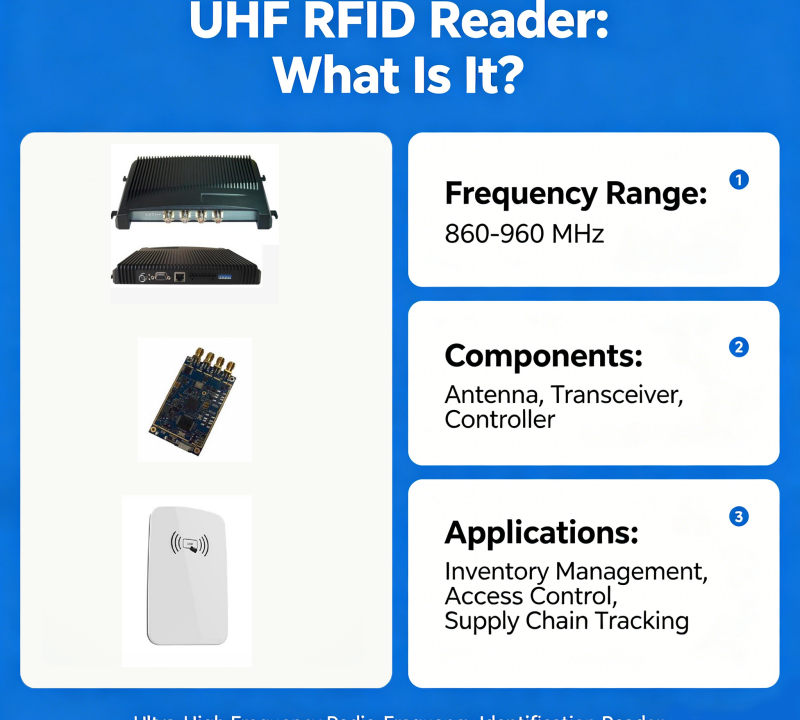
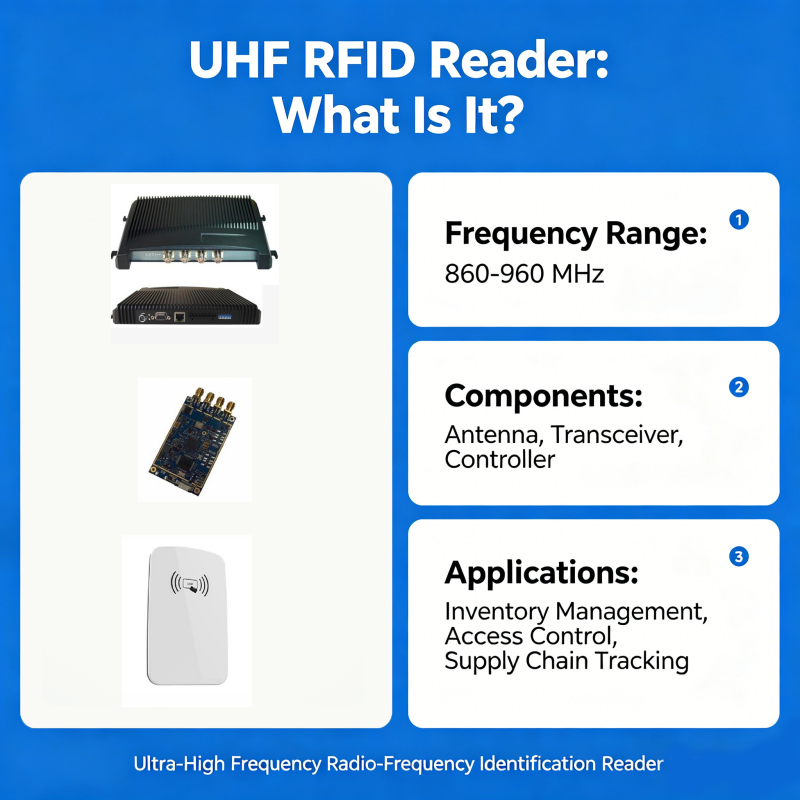
UHF RFID operates in the 860–960 MHz frequency range. It is widely used for industrial and logistics applications because it offers:
- Long read distance
- Fast data transmission
- Ability to read multiple tags at once
- Compatibility with global RFID standards
This on-metal RFID tag supports:
- EPC Class 1 Gen 2
- ISO 18000-6C
These standards ensure compatibility with mainstream RFID readers worldwide.
Key Technical Specifications Overview
RFID Protocol
- EPC Class 1 Gen2
- ISO 18000-6C
This ensures global interoperability and strong anti-collision performance.
Operating Frequency
- US: 902–928 MHz
- EU: 865–868 MHz
Suitable for international deployment in North America and Europe.
RFID Chip
- NXP UCODE 8
A high-performance RFID chip known for sensitivity, stability, and fast reading in dense tag environments.
Memory Structure
- EPC: 128 bits
- User Memory: 32 bits
- TID: 96 bits
This memory configuration allows unique identification plus additional user-defined data storage.
Rewrite Endurance
- Up to 100,000 write cycles
Ideal for reusable assets and long-term industrial applications.
Data Retention
- Up to 50 years
Ensures data reliability throughout the asset lifecycle.
Reading Performance on Metal
When mounted on a metal surface, the tag achieves a 1–1.5 meter read range using a handheld RFID reader. Actual performance may vary depending on:
- Reader power
- Antenna type
- Installation method
- Surrounding metal structures
For an on-metal tag of this compact size, this read distance is excellent and well suited to close-range and mid-range identification tasks.
Physical Design and Construction
Compact Size
- 40 mm × 25.9 mm × 6.5 mm
Small enough for pallets, containers, tools, and equipment, while still offering strong RF performance.
Material
- Stainless steel housing
- Potting encapsulation
This construction provides outstanding resistance to impact, vibration, chemicals, and moisture.
Color Options
- Gold
- Natural metal color
Suitable for industrial aesthetics and visual identification.
Weight
- 14.2 g
Lightweight enough not to affect equipment balance or handling.
Extreme Environmental Durability
IP68 Protection Level
The tag is completely dustproof and waterproof, suitable for outdoor, wet, dusty, or harsh industrial environments.
Temperature Resistance
- Storage temperature: -20°C to +80°C
- Operating temperature: -20°C to +180°C
This makes the tag suitable for high-temperature manufacturing processes, metal processing plants, and heavy industry.
Mechanical Strength
- Resistant to wear and aging
- Withstands high weight impact
- Tolerates up to 3 tons of collision force
This level of durability is critical for pallet management, forklift handling, and industrial automation.
Installation Methods and Practical Advice
The tag supports multiple installation options, allowing flexible deployment:
Locking Screws
Best for long-term, permanent installation on metal pallets, containers, or machinery.
Adhesive Mounting
Suitable for smoother metal surfaces where drilling is not possible. Industrial-grade adhesive is recommended.
Riveting
Ideal for harsh environments with vibration or frequent handling.
Practical Tip:
For best RF performance, ensure the tag is mounted flat against the metal surface and avoid placing it near sharp edges or corners that may affect antenna behavior.
Anti-Collision Capability Explained
In busy environments, multiple RFID tags are often read simultaneously. Anti-collision capability allows the reader to:
- Identify each tag individually
- Prevent data overlap
- Maintain high reading accuracy
This is especially important in:
- Warehouse portals
- Conveyor systems
- Automated sorting lines
- Inventory counting scenarios
The EPC Gen2 protocol combined with the NXP UCODE 8 chip ensures fast and stable multi-tag reading.
Core Application Scenarios
Intelligent Warehouse Management
On-metal UHF RFID tags enable real-time tracking of metal racks, containers, and inventory. Benefits include:
- Faster inventory counts
- Reduced manual scanning
- Improved accuracy
- Real-time asset visibility
Pallet Management
Metal pallets are widely used in logistics and manufacturing. These tags allow:
- Pallet identification
- Tracking movement history
- Reducing pallet loss
- Improving turnaround efficiency
Industrial Manufacturing
In factories, RFID tags track:
- Work-in-progress items
- Metal tools and fixtures
- Equipment usage
- Maintenance schedules
High temperature resistance makes these tags suitable for harsh production lines.
Advantages Compared to Barcode and QR Codes
While barcodes and QR codes are still common, RFID offers clear advantages:
- No line-of-sight required
- Faster bulk reading
- Resistant to dirt, oil, and wear
- Longer lifespan
- Automation-ready
For metal assets, RFID is often the only reliable identification method.
Security and Data Reliability
The tag supports read/write functionality with stable data retention. EPC and TID memory ensure:
- Unique identity for each asset
- Secure backend integration
- Reduced risk of duplication
For sensitive applications, access control and password protection can be implemented at the system level.
How to Choose the Right On-Metal RFID Tag
When selecting an on-metal UHF RFID tag, consider:
- Size and mounting surface
- Required read distance
- Environmental conditions
- Mechanical stress levels
- Reader compatibility
- Expected service life
This specific tag is ideal when durability, metal compatibility, and long-term reliability are top priorities.
Deployment Best Practices
- Test tags with your actual readers before mass deployment
- Standardize tag placement for consistent reading
- Use fixed readers for portals and handheld readers for audits
- Integrate RFID data with WMS or ERP systems
Proper planning ensures maximum return on investment.
Cost Efficiency and Long-Term Value
Although on-metal RFID tags cost more than paper labels, their long lifespan, reusability, and automation benefits make them highly cost-effective over time.
Reducing labor costs, minimizing asset loss, and improving operational visibility often justify the investment quickly.
Future Trends in On-Metal RFID
As smart factories and intelligent logistics expand, on-metal RFID tags will increasingly support:
- Digital twins
- Predictive maintenance
- Real-time asset analytics
- Industry 4.0 integration
Durable RFID tags are becoming a core infrastructure component, not just an identification tool.
Conclusion
The on-metal UHF RFID anti-collision tag is a powerful solution for tracking and managing metal assets in demanding industrial environments. With strong RF performance, extreme durability, flexible installation, and long data retention, it addresses the limitations of traditional identification methods.
For warehouses, pallet systems, and manufacturing operations seeking higher efficiency and accuracy, this RFID tag offers a practical, proven, and future-ready solution.