March 20, 2026
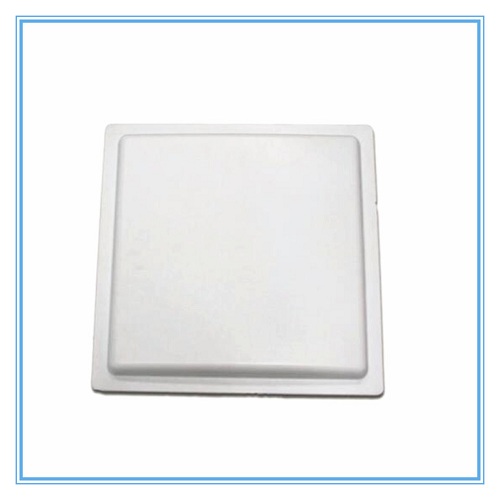
As industries move toward automation, digital traceability, and real-time data collection, RFID technology has become a foundational tool. Among the many RFID devices available, the UHF RFID Industrial Grade RFID Reader stands out as a compact, rugged, and highly reliable solution designed specifically for harsh and demanding environments.
This type of reader is widely used in industrial manufacturing, smart warehouses, asset tracking, production line automation, and equipment management, where durability, stability, and consistent performance are far more important than consumer-level features.
This article provides a comprehensive explanation of how an industrial-grade UHF RFID reader works, what each technical parameter means in practice, its advantages, typical applications, and how to deploy it effectively for maximum return on investment.
What Is a UHF RFID Industrial Grade Reader?
A UHF RFID industrial-grade reader is a fixed RFID device designed to read and write UHF RFID tags in challenging environments such as factories, warehouses, outdoor facilities, and industrial automation systems.
Unlike consumer or office-grade readers, industrial readers are built to withstand:
-
Dust and water exposure
-
Temperature fluctuations
-
Electrical noise
-
Continuous operation
-
Mechanical vibration
They typically feature rugged housings, wide voltage input, stable firmware, and industrial communication interfaces.
| Technical Parameters | |
| Frequency | 902-928MHz or 865-868Mhz |
| Frequency modulation method | Broad spectrum frequency modulation (FHSS) or fixed frequency, software settings |
| RF output | 20-26dBm adjustable;50 ohm load |
| Built-in antenna | Dual feed 40x40mm ceramic antenna |
| Antenna | 3dBi |
| Communication port | RS232,RS485,TCP/IP |
| Communication rate | Rate 9600~115200bps, |
| Reliable firmware upgrade | Scalable upgrade mechanism |
| SDK | C#,Java,Android |
| Working status display mode | LED indicator (blue, red), buzzer |
| Rewrite and Read | |
| Read distance | 0-2m |
| Write distance | 0-30CM |
| Protocol | EPCglobal UHF Class 1 Gen 2 / ISO 18000-6C |
| Maxreceiving sensitivity | -65 dBm |
| Performance | |
| Size | 95*95*40mm |
| Equipment power supply | Industrial grade wide voltage design, 9-36V DC |
| LED indicator | Blue: card reading indicator; red: power indicator |
| Weight | 450g |
| Protection level | IP66/IP67 |
| Connector form | Round waterproof M5 pin socket connector |
| Connector pin definition | 1:GND; 2:TXD; 3:RXD;4:DC; 5:GND |
| Operating temperature | -20ºC ~60ºC |
| storage temperature | -20 ºC~85 ºC |
| Working humidity | 5%~95%RH, Non-condensing |
Why UHF RFID Is Preferred in Industrial Applications
UHF RFID operates in the ultra-high frequency band (860–960 MHz), which offers several advantages over LF and HF RFID in industrial settings:
-
Longer reading distance
-
Faster data transmission
-
Ability to read multiple tags simultaneously
-
Strong anti-collision performance
-
Compatibility with global RFID standards
This makes UHF RFID ideal for process automation, asset identification, and logistics tracking.
Operating Frequency and Global Compatibility
Supported Frequency Bands
-
902–928 MHz (North America)
-
865–868 MHz (Europe)
This dual-band support allows the reader to be deployed internationally while remaining compliant with regional regulations.
Frequency Modulation Method
-
Broad spectrum frequency hopping (FHSS)
-
Fixed frequency (software configurable)
Frequency hopping improves resistance to interference and enhances reading stability in environments with heavy RF noise, such as factories with motors and machinery.
RF Output Power and Signal Control
Adjustable RF Output
-
20–26 dBm adjustable
-
50-ohm load
Adjustable RF power allows system integrators to fine-tune the reading range:
-
Lower power reduces unwanted reads
-
Higher power improves tag detection reliability
This flexibility is critical in dense industrial environments.
Maximum Receiving Sensitivity
-
-65 dBm
High receiving sensitivity ensures reliable tag detection even when tags are small, partially shielded, or mounted in less-than-ideal positions.
Built-in Antenna Design Explained
Internal Ceramic Antenna
-
Dual-feed 40 × 40 mm ceramic antenna
-
3 dBi antenna gain
This built-in antenna design offers several benefits:
-
Compact form factor
-
Stable radiation pattern
-
Reduced installation complexity
-
Consistent performance in confined spaces
For many industrial applications, a built-in antenna eliminates the need for external antennas and cabling, reducing system cost and failure points.
Read and Write Performance
Reading Distance
-
0–2 meters
Ideal for:
-
Conveyor systems
-
Workstations
-
Access points
-
Production line checkpoints
Writing Distance
-
0–30 cm
Writing data typically requires closer proximity for stability, making this range suitable for:
-
Encoding tags during manufacturing
-
Updating asset information
-
Binding tags to equipment
Read/Write Capability
The reader fully supports both reading and rewriting RFID tags, enabling dynamic data updates throughout the asset lifecycle.
Supported RFID Protocols
-
EPCglobal UHF Class 1 Gen 2
-
ISO 18000-6C
These are the most widely adopted UHF RFID standards worldwide, ensuring compatibility with:
-
Mainstream UHF RFID tags
-
Enterprise RFID software platforms
-
Third-party systems and middleware
Communication Interfaces for Industrial Integration
Supported Ports
-
RS232
-
RS485
-
TCP/IP
These interfaces allow seamless integration with:
-
PLCs
-
Industrial controllers
-
MES, WMS, and ERP systems
-
Edge computing devices
RS485 is particularly valuable in industrial environments due to its long-distance and noise-resistant communication capability.
Communication Speed
-
9600–115200 bps
Adjustable baud rates allow flexible system configuration depending on network requirements.
SDK and Software Support
The reader provides SDK support for:
-
C#
-
Java
-
Android
This enables developers to:
-
Build custom applications
-
Integrate RFID data into existing systems
-
Develop edge-level logic and automation
A reliable and scalable firmware upgrade mechanism ensures long-term system maintainability.
Firmware Stability and Upgrade Mechanism
Industrial systems are expected to run continuously for years. This reader includes:
-
A scalable firmware upgrade mechanism
-
Safe upgrade procedures to prevent system failure
-
Backward compatibility support
This ensures the device remains functional and secure as system requirements evolve.
User Feedback and Status Indicators
LED Indicators
-
Blue LED: Card reading indicator
-
Red LED: Power indicator
Audible Feedback
-
Built-in buzzer
Visual and audible indicators make troubleshooting easier and allow quick status checks without additional software.
Physical Design and Industrial Build Quality
Compact Size
-
95 × 95 × 40 mm
The compact footprint allows easy installation in:
-
Control cabinets
-
Equipment housings
-
Tight industrial spaces
Weight
-
450 g
Lightweight yet solid, suitable for fixed installations.
Industrial Power Supply Design
Wide Voltage Input
-
9–36 V DC
This wide voltage range ensures compatibility with:
-
Industrial power systems
-
Vehicle-mounted systems
-
Solar or battery-powered setups
It also improves resistance to voltage fluctuations.
Environmental Protection and Reliability
Protection Level
-
IP66 / IP67
This means the reader is:
-
Dust-tight
-
Resistant to strong water jets
-
Protected against temporary immersion
Suitable for both indoor and outdoor industrial use.
Connector Design
-
Round waterproof M5 pin socket connector
This connector design ensures:
-
Secure electrical connection
-
Resistance to vibration
-
Protection against moisture
Connector Pin Definition
-
GND
-
TXD
-
RXD
-
DC
-
GND
Clear pin definitions simplify installation and maintenance.
Environmental Operating Conditions
Operating Temperature
-
-20°C to +60°C
Storage Temperature
-
-20°C to +85°C
Working Humidity
-
5%–95% RH, non-condensing
These ranges ensure reliable operation in:
-
Cold storage facilities
-
Hot industrial workshops
-
Humid environments
Key Advantages of an Industrial Grade UHF RFID Reader
High Reliability
Designed for continuous operation in harsh environments.
Compact and Integrated
Built-in antenna reduces installation complexity.
Flexible Integration
Multiple communication interfaces and SDK support.
Strong Anti-Interference
Frequency hopping and high sensitivity improve stability.
Long Service Life
Rugged housing and industrial components ensure durability.
Typical Application Scenarios
Industrial Manufacturing
Track work-in-progress items, tools, fixtures, and equipment across production stages.
Smart Warehousing
Enable automated identification at workstations, shelves, and transfer points.
Asset and Equipment Management
Monitor valuable assets and maintenance cycles.
Automation and Robotics
Provide real-time identification for robotic systems and conveyors.
Access Control and Identification
Control access to industrial zones or equipment using RFID tags.
Deployment Best Practices
-
Place the reader to minimize metal interference
-
Test read/write distance with actual tags
-
Use RS485 or TCP/IP for stable communication
-
Standardize tag orientation and placement
-
Calibrate RF power to avoid cross-reading
Proper planning ensures optimal system performance.
Industrial RFID Reader vs Consumer RFID Reader
Industrial-grade readers offer:
-
Higher durability
-
Better environmental resistance
-
Stable long-term performance
-
Industrial communication protocols
Consumer readers are typically unsuitable for harsh or continuous-use environments.
Cost Efficiency and Long-Term Value
Although industrial RFID readers have a higher upfront cost, they reduce:
-
Maintenance downtime
-
Replacement frequency
-
System failures
Over time, they deliver significantly better total cost of ownership.
Future Trends in Industrial RFID
As Industry 4.0 advances, industrial RFID readers will increasingly support:
-
Edge computing
-
AI-driven analytics
-
Predictive maintenance
-
Digital twins
Compact, rugged readers will play a central role in smart factories.
Conclusion
The UHF RFID Industrial Grade RFID Reader is a powerful, reliable, and versatile solution for modern industrial environments. With strong RF performance, flexible integration options, rugged construction, and long-term stability, it meets the demands of automation, traceability, and digital transformation.
For manufacturers, warehouses, and system integrators seeking dependable RFID infrastructure, this reader provides a solid foundation for intelligent operations.